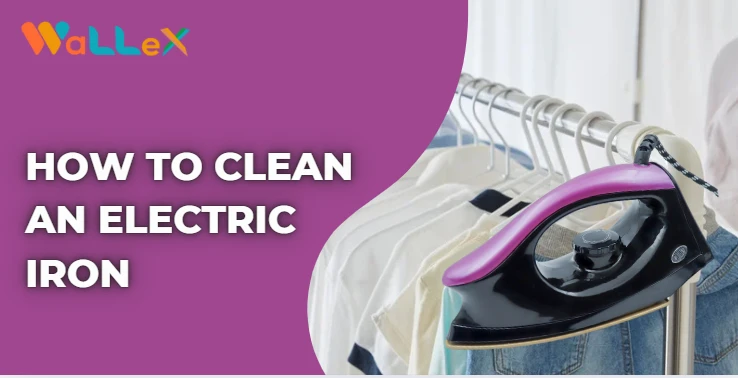

An electric iron is an indispensable household appliance that helps maintain a crisp, neat appearance by removing wrinkles from clothes. Over time, however, mineral deposits, fabric residues, and even scorched materials can accumulate on your iron’s soleplate or inside its steam vents, reducing its efficiency and potentially damaging your clothing. Regular cleaning is essential not only to extend the life of the iron but also to ensure your clothes remain pristine. In this comprehensive guide, we will walk you through step-by-step methods for How to Clean Electric Iron using simple household materials.
Why Cleaning Your Iron Matters
Before diving into the cleaning methods, it's important to understand why maintaining your iron is crucial:
- Improved Performance: A clean iron heats evenly and glides smoothly over fabrics, ensuring efficient pressing.
- Clothing Safety: A dirty iron can leave stains or scorch marks on clothes, especially whites or delicate fabrics.
- Longevity: Regular maintenance reduces wear and tear, extending the life of the appliance.
- Energy Efficiency: A clean soleplate transfers heat more effectively, reducing electricity consumption.
Understanding the Parts That Need Cleaning
There are generally three key components of an electric iron that require cleaning:
- Soleplate – The flat metal bottom that directly contacts your clothes.
- Steam Vents – Small holes on the soleplate from which steam is emitted.
- Water Reservoir – The internal tank that holds water for generating steam.
Each part can accumulate different types of dirt and require distinct cleaning methods.
Cleaning the Soleplate of the Iron
The soleplate is most prone to buildup. Fabric starch, melted synthetic fibers, and limescale can accumulate and cause the plate to become sticky or scorched. Here are several effective methods to clean the soleplate.
Method 1: Baking Soda Paste
Materials Needed:
- Baking soda
- Water
- Microfiber cloth
- Plastic spatula or toothbrush
Steps:
- Unplug the iron and ensure it is completely cool.
- Make a paste by mixing 2 tablespoons of baking soda with 1 tablespoon of water.
- Apply the paste to the soleplate, focusing on areas with heavy buildup or stains.
- Scrub gently using a microfiber cloth or a toothbrush. Avoid scrubbing too hard to prevent scratching.
- Wipe clean with a damp cloth to remove any residue.
- Plug in and heat the iron briefly, then iron over an old towel to ensure no residue remains.
Method 2: Vinegar Soak for Tough Stains
Materials Needed:
- White vinegar
- Paper towels or a soft cloth
- Cotton swabs
Steps:
- Soak a cloth in white vinegar and place it on a flat surface.
- Lay the cool soleplate of the iron onto the vinegar-soaked cloth for about 30 minutes.
- Use cotton swabs dipped in vinegar to clean inside the steam vents.
- Wipe down the soleplate with a damp cloth to remove loosened grime.
Method 3: Salt and Paper
Materials Needed:
- Table salt
- Plain paper or newspaper
Steps:
- Sprinkle salt generously onto a sheet of plain paper.
- Heat the iron (no steam).
- Rub the hot iron over the salt in a circular motion. The abrasiveness helps remove sticky residues.
- Let the iron cool, then wipe the soleplate with a clean, damp cloth.
Cleaning the Steam Vents
Steam vents can become clogged due to mineral deposits, especially if you use tap water in the iron. Blocked vents reduce steam output and leave white marks on clothes.
Method: Vinegar Steam Flush
Materials Needed:
- White vinegar
- Distilled water
- Old towel
Steps:
- Mix equal parts of white vinegar and distilled water.
- Fill the water reservoir of the iron with this solution.
- Turn on the iron and set it to the steam function.
- Let it steam for a few minutes on an old towel. This process helps dislodge and flush out mineral buildup.
- Empty the reservoir, refill with distilled water only, and steam again to rinse out the vinegar.
- Repeat the rinse if necessary to eliminate the vinegar smell.
Cleaning the Water Reservoir
Even the inside of your iron needs attention. Water left in the tank can breed mold or cause scaling inside the iron. This is particularly true if you regularly use hard tap water.
Method: Internal Descaling
Materials Needed:
- White vinegar
- Distilled water
Steps:
- Mix a 1:1 solution of white vinegar and distilled water.
- Pour the solution into the reservoir.
- Turn on the iron, setting it to its highest steam setting.
- Allow it to steam for 5-10 minutes, pressing the steam burst button a few times.
- Turn off the iron and let it cool completely.
- Empty the reservoir, then refill with distilled water and repeat the steaming process to flush out the vinegar.
- Drain the reservoir completely and store the iron dry.
Removing Melted Fabric from the Soleplate
Sometimes, synthetic materials can accidentally melt onto a hot iron. Immediate cleaning is crucial to prevent permanent damage.
Method: Nail Polish Remover (Acetone-Based)
Materials Needed:
- Cotton balls
- Acetone-based nail polish remover
Steps:
- Unplug and cool the iron.
- Dip a cotton ball in nail polish remover.
- Rub the melted area gently to dissolve the plastic.
- Wipe with a damp cloth afterward and dry the soleplate.
Caution: Always use acetone in a well-ventilated area and test on a small part first to ensure no damage.
Preventative Maintenance Tips
Regular maintenance can prevent the need for deep cleaning and extend the life of your iron. Here are some best practices:
Use Distilled Water
Avoid using tap water in the iron, especially in areas with hard water. Distilled water reduces mineral buildup and keeps steam vents clean.
Empty the Reservoir After Use
Always empty the water tank before storing your iron. This prevents mold growth and internal corrosion.
Clean the Soleplate Monthly
A monthly wipe-down with a damp cloth (while the iron is cool) keeps minor residue from building up.
Avoid Ironing Over Zippers or Buttons
These can scratch the soleplate or transfer residue, damaging both your iron and your clothes.
Store Properly
Keep the iron upright and unplugged in a cool, dry place. Avoid wrapping the cord too tightly to prevent damage.
When to Replace Your Iron
Despite regular cleaning, all appliances have a lifespan. Consider replacing your iron if:
- Steam output has significantly reduced despite descaling.
- The soleplate is heavily scratched or rusted.
- Heating becomes inconsistent or fails altogether.
- The thermostat malfunctions and overheats.
A well-maintained iron can last several years, but signs of wear shouldn’t be ignored for safety and efficiency.
Conclusion
Cleaning your electric iron doesn’t have to be a daunting task. With household items like vinegar, baking soda, and salt, you can keep your iron functioning like new. Regular cleaning not only enhances performance but also protects your clothes from damage. By incorporating simple maintenance habits—like using distilled water, emptying the reservoir, and wiping the soleplate—you’ll enjoy smooth, efficient ironing every time.
Taking care of your appliances is a form of self-care. A clean, reliable iron can make your mornings smoother and your outfits sharper. So, set aside a little time each month to give your iron the attention it deserves—it’ll pay off in crisp collars, wrinkle-free shirts, and peace of mind.


























Sign in to leave a comment.