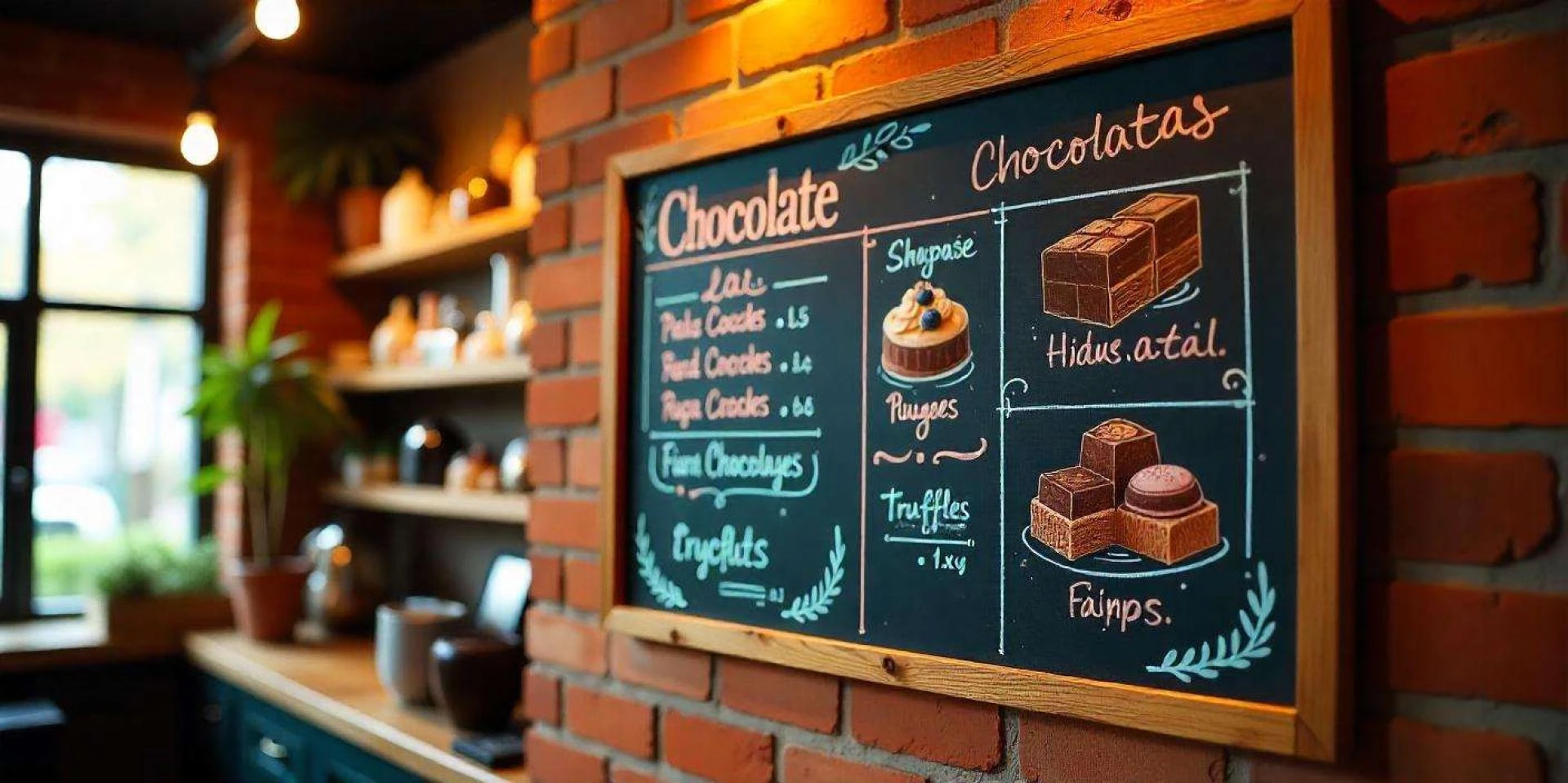
Chocolate is one of those indulgent treats that almost everyone loves. Whether it's a small gift or the main attraction at an event, chocolate never fails to bring a smile to your face. But have you ever thought about creating a chocolate menu for your guests? A well-curated chocolate menu is not only a great conversation starter but also a delightful experience that adds a personal touch to any gathering.
If you’re planning a special event or party or just want to surprise your loved ones, designing a chocolate menu can be a unique way to elevate your event. In this blog, we’ll discuss how to craft a chocolate menu that will leave your guests in awe.
Why Create a Chocolate Menu?
Before diving into the "how," let's first explore the "why." Creating a chocolate menu adds a touch of sophistication and excitement to your gathering. It gives your guests something to look forward to and allows them to indulge in the rich world of chocolate in a new and creative way. Here are some reasons why having a chocolate menu will wow your guests:
- Variety and Customization: A chocolate menu can include a variety of chocolate types, textures, and pairings, ensuring that there's something for everyone.
- Thematic Touch: If your event has a theme, the chocolate menu can be customized to match, adding to the overall ambiance.
- Interactive Experience: Guests love personalization. Offering customizable options, like a DIY chocolate bar, can make the experience more engaging.
Step 1: Choose a Theme for Your Chocolate Menu
The first step in creating a chocolate menu is choosing a theme. A theme will help you determine the overall style, layout, and types of chocolate that will be featured. The theme could align with the event’s theme or be inspired by seasonal ingredients, a specific type of chocolate, or a cultural influence.
Popular Themes for a Chocolate Menu:
- Seasonal Delights: Think of chocolates infused with autumn spices, spring fruit, or summer berries. You can feature ingredients that reflect the time of year, like pumpkin for fall or lavender for spring.
- Chocolate Around the World: Explore chocolates from different regions, like Swiss truffles, Belgian pralines, or Mexican mole-infused chocolate.
- Dark vs. Milk Chocolate: A comparison between rich dark chocolate and creamy milk chocolate. You could even create an interactive tasting session.
- Chocolate Pairings: Pair chocolate with different types of wines, cheeses, or fruits for a sophisticated experience.
Choosing the right theme helps set the tone and narrows down the types of chocolates and flavor profiles you'll want to feature.
Step 2: Select the Chocolate Varieties
Now that you have a theme, it’s time to choose the chocolate varieties for your menu. The diversity of chocolate is vast, so picking a range of options will give your guests plenty to savor. Here are some varieties you can consider:
1. Dark Chocolate:
Dark chocolate is known for its rich, intense flavor and is perfect for guests who appreciate bold tastes. You can choose chocolates with varying cacao percentages, such as 70%, 85%, or even 100%. These varieties work well for pairing with rich red wines or cheeses.
2. Milk Chocolate:
Milk chocolate is smoother and sweeter, making it a favorite among many. You can include variations like caramel-filled milk chocolate, hazelnut milk chocolate, or sea salt milk chocolate to add some flair.
3. White Chocolate:
White chocolate is made from cocoa butter, which gives it a creamy, delicate texture. Consider adding unique toppings or flavorings like raspberry, matcha, or chai spices to create an interesting twist.
4. Ruby Chocolate:
Ruby chocolate is a relatively new variety with a pinkish-red hue. It has a slightly tangy flavor, which pairs well with fresh berries or citrus fruits.
5. Artisan Chocolates:
For those who want a truly luxurious experience, artisan chocolates filled with ganache, pralines, or exotic ingredients like seaweed, lavender, or chili can add a unique touch.
Remember to balance the chocolate varieties, ensuring there’s something for everyone, from dark chocolate aficionados to those who prefer sweet milk chocolate.
Step 3: Add Chocolate Toppings and Fillings
What’s better than chocolate? Chocolate with fun fillings and toppings! These additions can take your chocolate offerings from simple to spectacular. Some ideas include:
- Nuts and Seeds: Almonds, hazelnuts, and pistachios can add a crunchy texture.
- Fruits: Dried fruits like apricots, cranberries, or cherries complement the richness of the chocolate.
- Spices and Herbs: Cinnamon, cardamom, and chili flakes add a bit of spice to your chocolate creations.
- Caramel and Toffee: Drizzling chocolate with caramel or adding bits of toffee provides sweetness and texture contrast.
The possibilities are endless! Experiment with different flavor combinations to create something truly special. For an added touch, you could even have a chocolate fondue fountain, where guests can dip fruits, marshmallows, and other treats into melted chocolate.
Step 4: Design a Chocolate Menu
One of the key elements of a standout chocolate experience is the menu. A well-designed menu not only presents the options but also adds to the excitement and vibe of the event. Creating a creative chocolate menu will allow you to present the different types of chocolate in an engaging and visually appealing way.
With a creative chocolate menu template, you can easily add descriptions, names of the chocolate varieties, and even pairing suggestions. Here’s why a creative template is a must:
- Customization: A customizable template allows you to personalize your menu to fit your event’s theme. Whether you’re hosting a casual party or a formal gathering, you can adjust fonts, colors, and layout to match the occasion.
- Visual Appeal: A beautifully designed menu will make your guests even more excited about their chocolate choices. A good visual presentation can make even the simplest chocolates look irresistible.
- Interactive Elements: Some templates allow you to add sections where guests can check off or mark their favorite chocolate. This adds an interactive element to the experience and helps you engage with your guests.
If you're not sure where to start, there are plenty of online resources and design tools that offer free or paid customizable templates. Look for those that feature high-quality images of chocolates and allow you to customize fonts and layouts for the perfect design.
Step 5: Consider the Presentation
The way you present your chocolates is just as important as the chocolate itself. A well-presented chocolate bar or display will catch the eye and make a strong impression. Here are some presentation ideas:
- Chocolate Platter: Arrange various chocolate varieties on an elegant platter with fruits, nuts, and other complements.
- DIY Chocolate Bar: Set up a DIY station with a variety of toppings and fillings where guests can create their custom chocolate pieces.
- Chocolate Trays: Use clear trays to display chocolates, letting guests pick their favorite options with ease.
- Chocolate Fountain: As mentioned earlier, a chocolate fountain is a fun and interactive way to let your guests enjoy melted chocolate.
Ensure the presentation matches the theme of your event. A rustic chocolate spread works well for a countryside gathering, while a sleek, minimalistic setup is ideal for a modern event.
Step 6: Pairing Chocolate with Other Delights
A great way to enhance your chocolate menu is by pairing it with other treats. Chocolate and wine or chocolate and cheese are classic pairings, but you can get creative with your choices. Here are some ideas:
- Wine: Pair dark chocolate with rich red wines like Cabernet Sauvignon or Merlot. For milk chocolate, try lighter wines like Pinot Noir or Chardonnay.
- Cheese: Pair creamy milk chocolates with soft cheeses like brie or goat cheese, while dark chocolate pairs wonderfully with sharp cheeses such as blue cheese.
- Beverages: Serve hot chocolate or chocolate martinis for a cozy or festive twist.
Step 7: Don’t Forget the Guests with Dietary Restrictions
Be sure to include options for guests with dietary restrictions. Consider offering:
- Vegan Chocolate: Many companies offer vegan chocolate options that are dairy-free but still rich and delicious.
- Gluten-Free Options: Look for chocolates that are marked gluten-free or create your own options.
- Sugar-Free Choices: If you have guests who are health-conscious or diabetic, offering sugar-free chocolates can be a thoughtful touch.
Conclusion
Creating a chocolate menu that wows your guests is all about personalization, variety, and presentation. By choosing a theme, selecting an array of chocolate varieties, and presenting them in a creative way, you can create an unforgettable experience for your guests. DWhether you’re pairing chocolates with wine, offering a DIY bar, or including unique toppings, your guests will leave with a smile and a belly full of chocolatey goodness.
If you need help creating the perfect chocolate menu, explore customizable templates online and get started today! With a little creativity, your next event could be the talk of the town, thanks to your decadent chocolate menu.

























Sign in to leave a comment.