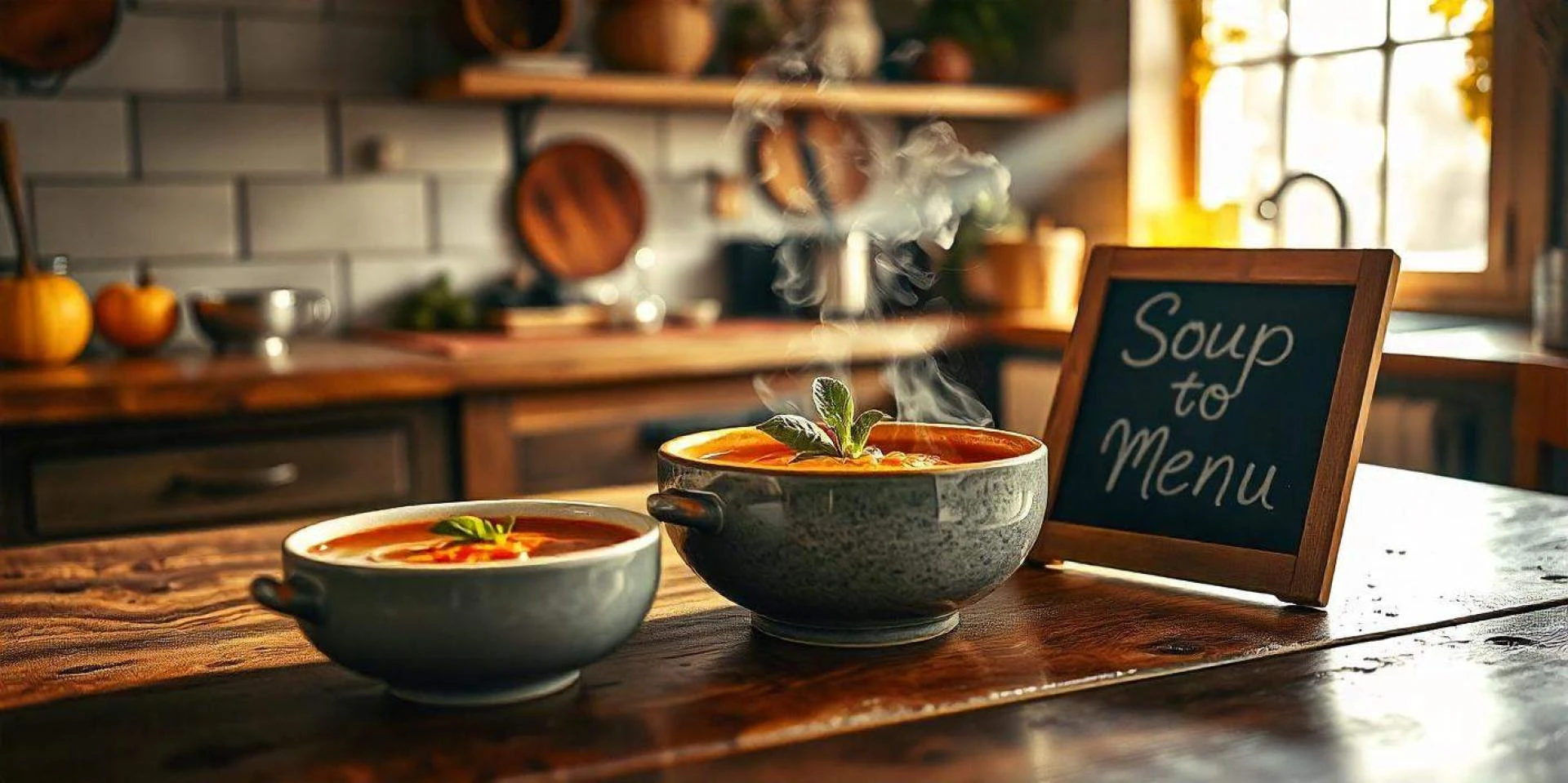
A well-designed soup menu can elevate any restaurant, café, or catering service. Soups are a comforting and versatile dish, offering warmth in the winter and light, refreshing options in the summer. Whether you run a fine dining establishment or a casual eatery, crafting the perfect soup menu requires attention to detail. From selecting the right ingredients to presenting a well-organized menu layout, several elements contribute to making your soup offerings truly stand out. In this blog, we will explore the key aspects of designing the perfect soup menu, including the importance of customizable menu templates to enhance your presentation.
1. Understanding Your Audience
Before creating your soup menu, it’s essential to identify your target audience. Different demographics have unique preferences, dietary needs, and expectations. Consider the following factors:
- Local Preferences: Certain soups are more popular in specific regions. For instance, clam chowder is a favorite in coastal areas, while chicken tortilla soup is a hit in the Southwest.
- Dietary Trends: More customers are looking for vegan, gluten-free, and low-calorie options. Including these choices can make your menu more inclusive.
- Seasonal Demands: Customers’ preferences change with the weather. Offer hearty soups in winter and lighter, chilled soups in summer.
2. Curating a Balanced Soup Selection
A well-structured soup menu should offer variety while maintaining balance. Here are some categories to consider:
a. Classic Comfort Soups
These traditional soups are loved for their nostalgic and comforting flavors. Examples include:
- Chicken Noodle Soup
- Tomato Basil Soup
- French Onion Soup
b. Healthy and Light Soups
For health-conscious customers, offer light yet flavorful options such as:
- Lentil Soup
- Clear Vegetable Broth
- Greek Lemon Chicken Soup
c. International Flavors
Adding global flavors to your soup menu can attract customers looking for something unique:
- Thai Tom Yum Soup
- Italian Minestrone
- Mexican Pozole
d. Seasonal Specials
Introduce limited-time offerings to keep the menu fresh and exciting:
- Butternut Squash Soup for fall
- Chilled Gazpacho for summer
- Spiced Pumpkin Soup for winter
3. Importance of High-Quality Ingredients
Using fresh, high-quality ingredients is crucial for creating delicious soups. Consider the following tips:
- Farm-Fresh Vegetables: Locally sourced produce enhances flavor and supports sustainability.
- Homemade Broths: Avoid pre-packaged broths and prepare your own for a richer taste.
- Herbs and Spices: Fresh herbs and quality spices elevate the overall flavor of your soups.
- Balanced Textures: Adding crunchy toppings like croutons, nuts, or fresh herbs creates an enjoyable contrast.
4. Crafting an Appealing Soup Menu Layout
The design of your soup menu is just as important as the food itself. A well-organized, visually appealing menu can make a significant impact. Here’s how:
- Organize by Category: Group soups into sections such as “Hearty Classics,” “Healthy Choices,” and “Seasonal Specials” for easy navigation.
- Include Descriptive Names and Ingredients: Customers appreciate knowing what they’re ordering. Instead of just “Mushroom Soup,” describe it as “Creamy Wild Mushroom Soup with Garlic and Thyme.”
- Add High-Quality Images: A visually appealing menu with well-captured soup images can entice customers to try new flavors.
5. Utilizing Customizable Menu Templates
One of the best ways to design a professional and attractive soup menu is by using a classic soup menu template. These templates offer several advantages:
- Time Efficiency: Save time by using pre-designed layouts instead of creating a menu from scratch.
- Customization Options: Easily adjust fonts, colors, and images to match your restaurant’s branding.
- Professional Appeal: A well-structured menu improves customer experience and enhances your brand’s credibility.
- Flexibility for Seasonal Changes: Easily update the menu to reflect seasonal specials and new additions.
6. Pricing Strategies for Your Soup Menu
Setting the right price for your soups is essential to maintain profitability while keeping customers satisfied. Consider the following pricing strategies:
- Cost-Based Pricing: Calculate ingredient costs and add a reasonable markup.
- Value Perception: Customers are willing to pay more for unique, high-quality soups.
- Bundle Offers: Pair soups with salads or sandwiches for an appealing meal deal.
- Daily Specials: Offer a “Soup of the Day” at a competitive price to attract repeat customers.
7. Promoting Your Soup Menu
Once your soup menu is perfected, it’s time to market it effectively. Here are some promotion ideas:
- Social Media Marketing: Post enticing images of your soups on platforms like Instagram and Facebook.
- Seasonal Advertisements: Highlight limited-time seasonal soups through email newsletters and in-store displays.
- Loyalty Programs: Reward frequent customers with discounts or free soup after a certain number of purchases.
- Sampling Events: Offer small samples to encourage customers to try new flavors.
8. Customer Feedback and Menu Optimization
Continuously improving your soup menu based on customer feedback ensures long-term success. Use the following methods:
- Surveys and Reviews: Encourage customers to leave reviews and provide feedback.
- Sales Analysis: Track which soups sell best and adjust your menu accordingly.
- Test New Recipes: Introduce new flavors periodically and gauge customer interest.
Conclusion
Creating the perfect soup menu requires careful planning, high-quality ingredients, and an appealing design. Additionally, incorporating customizable menu templates ensures a professional and visually engaging presentation, making it easier to update and refine your offerings over time. By following these essential elements, you’ll craft a soup menu that keeps customers coming back for more.
























Sign in to leave a comment.