

A well-designed dining area should be comfortable enough for everyday meals while also being flexible enough to accommodate family gatherings and guests. The dining table is naturally the centrepiece, but the seating, available floor space and overall layout are equally important.
For homes where space needs to work harder, choosing furniture that can adapt to different occasions can make a significant difference. An extendable dining table can provide a compact everyday footprint while offering additional space when required, while a dining bench can maximise seating without making the room feel overcrowded.
Make the Most of Your Available Space
The first step when creating a practical dining area is to consider the dimensions of the room. Measure the space available for your dining furniture and remember to leave sufficient room around the table for chairs, benches and movement.
It is easy to focus solely on the dimensions of a tabletop, but the overall footprint becomes much larger once seating is added. Doors, kitchen cabinets, sideboards and other furniture should also be taken into account.
If your dining area is part of an open-plan kitchen or living room, consider how the furniture affects movement between different zones. A well-positioned dining table can define the dining area without creating an unnecessary barrier.
Why Choose a 120cm to 160cm Extendable Dining Table?
An 120cm to 160cm extendable dining table can be particularly useful when you need flexibility from your dining furniture.
At its smaller size, the table can provide a practical setting for everyday meals without taking up excessive floor space. When guests arrive, the tabletop can be extended to create additional room for plates, serving dishes and place settings.
This flexibility means you do not have to dedicate valuable floor space to a large dining table throughout the week simply because you occasionally entertain.
A compact table can be particularly suitable for smaller dining rooms, kitchens and open-plan spaces. Extending it when required gives you greater versatility for occasions such as family celebrations, Sunday lunches and dinner parties.
Before choosing a model, check both the closed and extended dimensions. You should have enough space for the table at its largest size, as well as adequate clearance around the seating.
Consider How Many People You Need to Seat
The number of people you regularly accommodate should influence your choice of table and seating.
A household of two or four may not need a large dining table every day. An extendable design allows you to keep the table compact during normal use while still having the option of accommodating more people.
It is also worth thinking about how much space each person needs. Dining should feel comfortable rather than cramped, particularly when meals last longer or when additional serving dishes are placed on the tabletop.
The arrangement of the legs can also affect usable seating space. Designs with strategically positioned legs or pedestal-style bases can sometimes make it easier to position chairs and benches around the table.
The Practical Benefits of a 180cm Dining Bench
Once you have chosen your table, seating becomes the next consideration. A 180cm dining bench can be an excellent option for creating a relaxed and practical dining arrangement.
Unlike individual chairs, a bench can accommodate multiple people along one side of the table without requiring separate furniture for every seat. This can create a more informal atmosphere while also making efficient use of the available space.
A 180cm bench is particularly useful alongside a longer dining table because its length can provide generous seating capacity. It can also be pushed underneath the table when not in use, helping to keep walkways clear and giving the dining area a tidier appearance.
Benches can be especially useful for family homes. Children can sit together comfortably, and the absence of individual chair arms can make it easier for several people to share the available seating.
Combine Benches and Dining Chairs
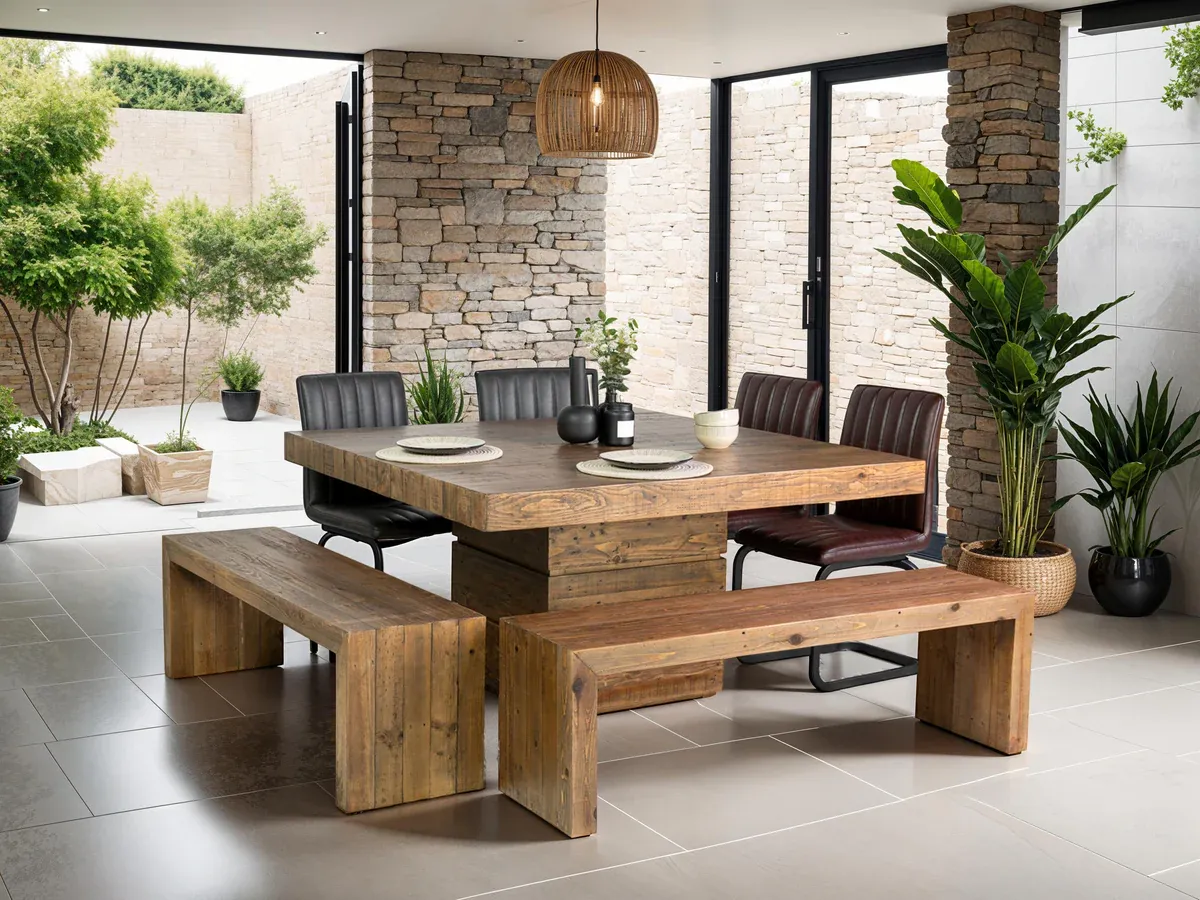
You do not have to use benches on every side of the table. Combining a dining bench with individual chairs can create a balanced arrangement.
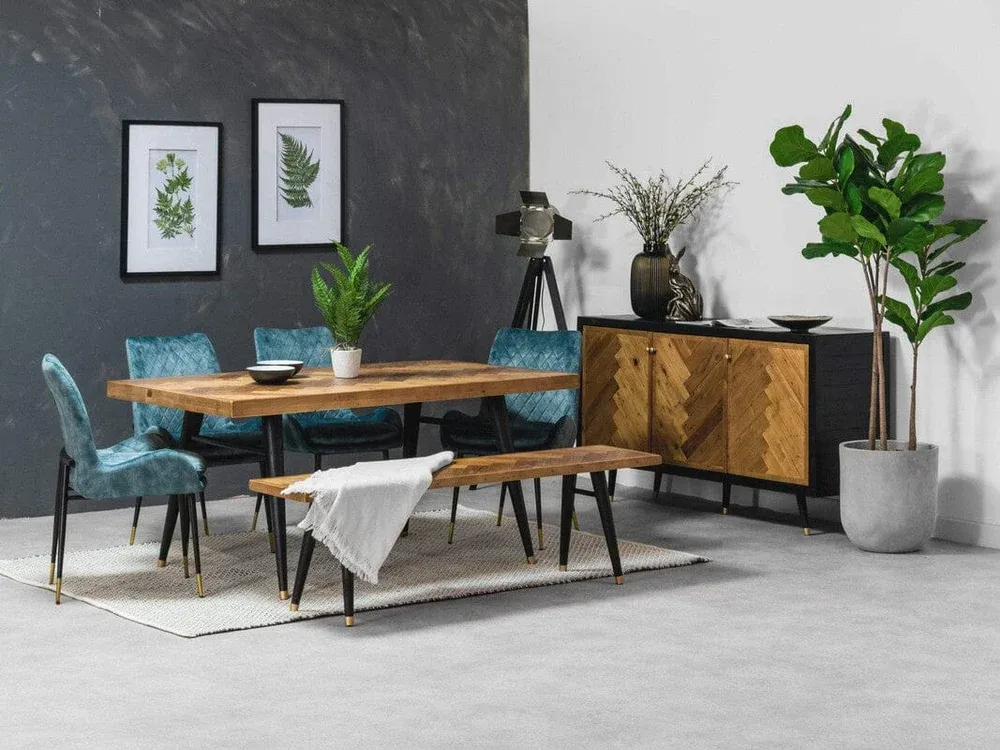
For example, a bench could be positioned along one long side of an extending table, with dining chairs placed at the opposite side and ends. This creates visual variety while giving you different seating options.
Mixing seating styles can also help prevent the dining area from looking overly uniform. Wooden chairs can complement a matching bench, while upholstered chairs can introduce additional texture and comfort.
Think About Style as Well as Function
Practicality is important, but your dining furniture should also complement the style of your home.
Wooden dining furniture can bring warmth and natural character to a room, while contemporary finishes can create a cleaner and more modern appearance. Consider the flooring, wall colours, lighting and other furniture when choosing your dining table and seating.
If you prefer a relaxed interior, natural wood and simple silhouettes can create an inviting atmosphere. For a contemporary dining space, streamlined furniture and contrasting finishes can provide a more sophisticated appearance.
The key is to create a cohesive look without feeling that every item has to come from the same range.
Create a Flexible Dining Area
A dining area should be designed around the way you actually live. If you have limited space but regularly host guests, an extending table can provide the flexibility you need without permanently occupying the floor space of a larger table.
Pairing this with a suitably sized dining bench can make the seating arrangement more efficient while creating a relaxed, sociable atmosphere.
Ultimately, choosing the right combination of table and seating is about balancing everyday practicality with occasional flexibility. A 120cm to 160cm extendable dining table can adapt to changing seating requirements, while a 180cm dining bench can provide generous shared seating without the footprint of multiple individual chairs.
With careful measurements, thoughtful furniture choices and a layout that allows people to move comfortably, even a busy family dining area can become an inviting space for everyday meals and special occasions.

























Sign in to leave a comment.