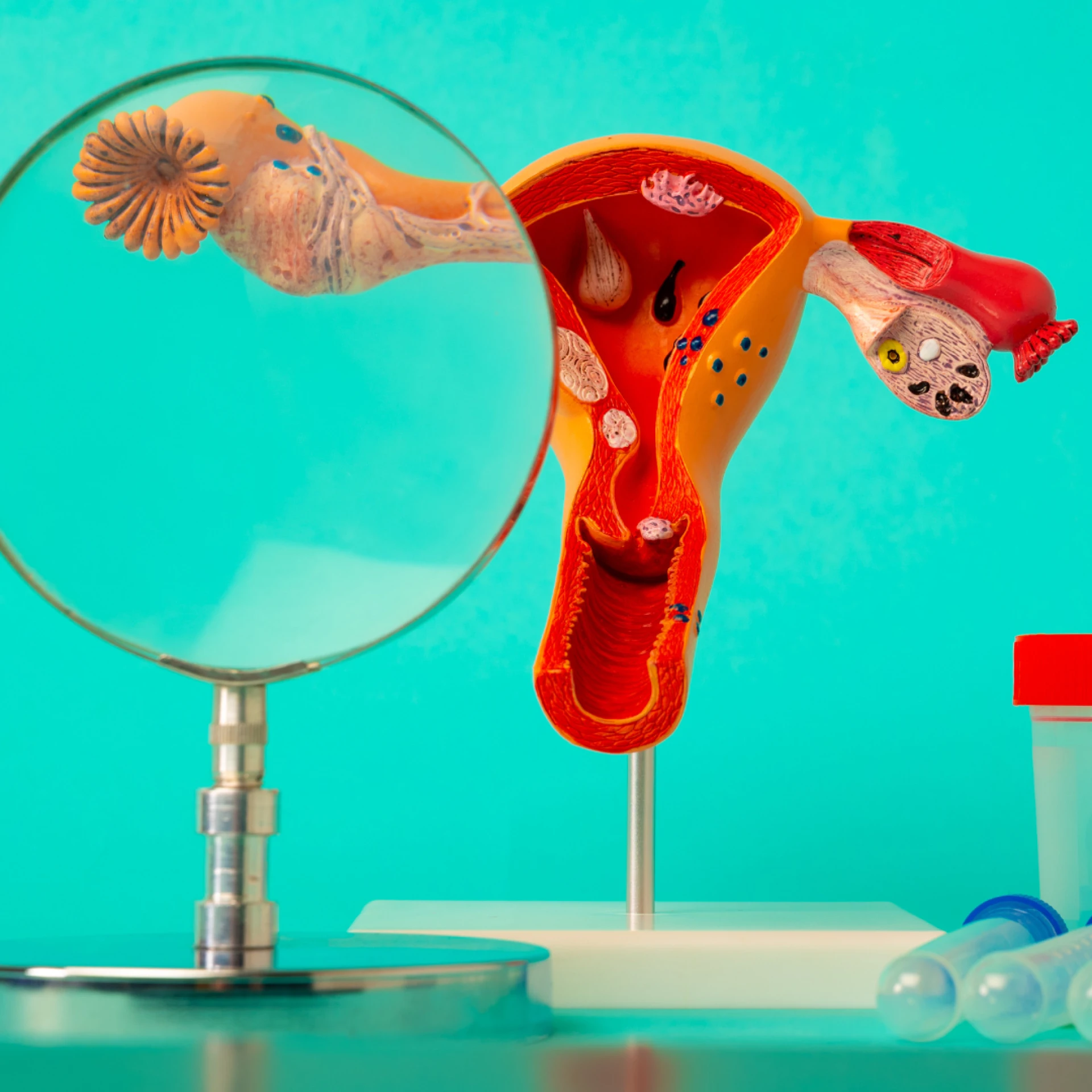

Polycystic Ovary Disease (PCOD) is a disease that affects millions of women in their reproductive age throughout the world. It involves hormonal imbalances and the formation of tiny cysts on the ovaries that affect normal ovulation. While it is highly unlikely that PCOD can be treated completely, it can certainly be managed through diet modifications, medicines and various home remedies. This discusses PCOD, its risks, signs and how it can be managed.
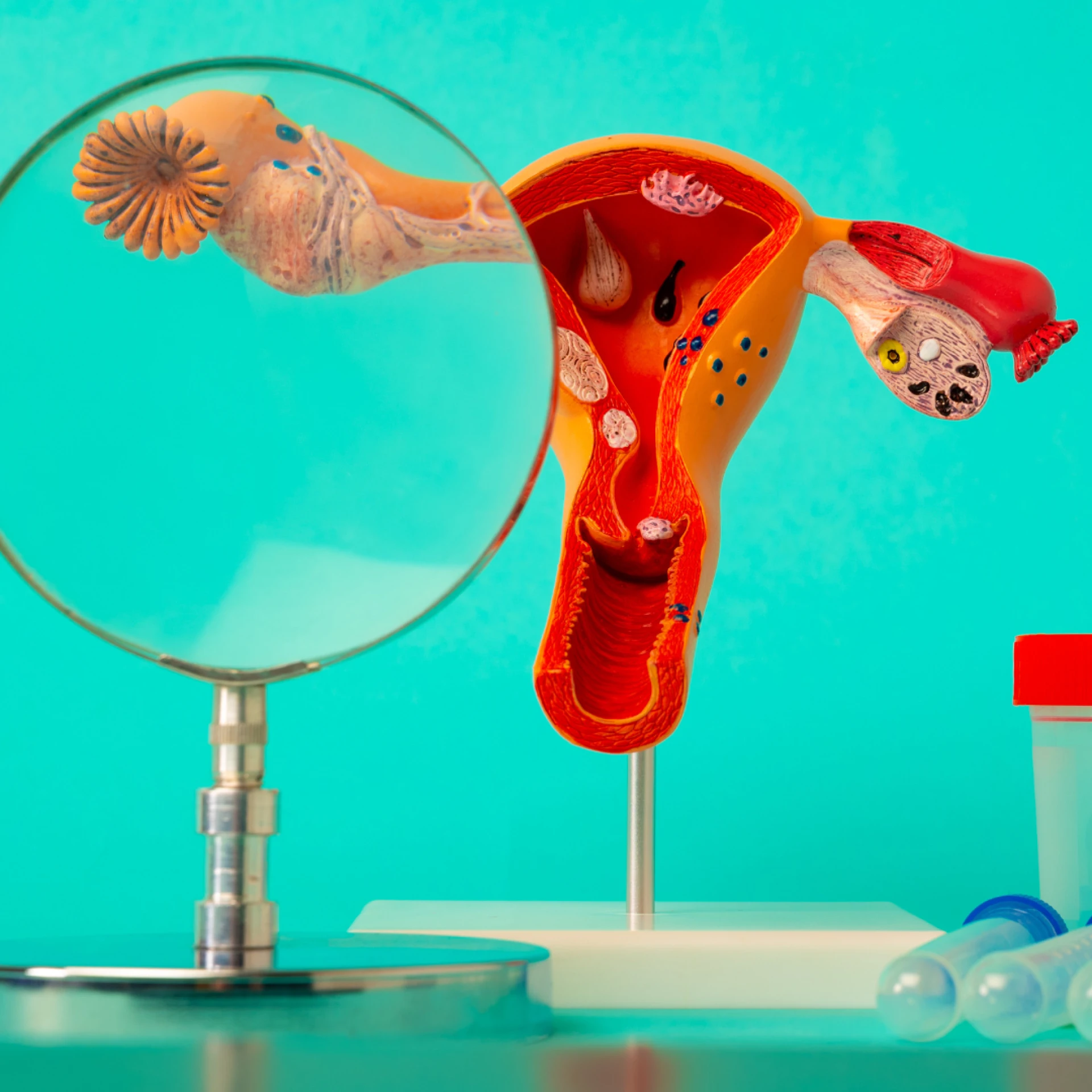
Understanding PCOD: What It Is and How It Differs From PCOS
PCOD and Polycystic Ovary Syndrome (PCOS) share many similarities, but they aren’t identical. Both conditions involve issues with the ovaries, but PCOD is typically less severe.
What Is PCOD?
PCOD is the development of several immature eggs. These eggs couldn't properly get released during ovulation. Over time these eggs become small cysts. This leads to irregular periods and hormonal imbalances.
What Is PCOS?
PCOS is more than just a hormonal disorder. It can affect multiple systems and lead to symptoms. The symptoms may include insulin resistance, weight gain, and potentially metabolic disease. It is important to know these differences before treatment starts. Find a trusted gynaecologist in Delhi for diagnosis.
Is PCOD and PCOS the Same?
While PCOD and PCOS share overlapping symptoms. PCOD is less severe and more common. Women with PCOD may not face the same long-term health risks as those with PCOS, but both conditions require active management.
Symptoms and Causes of PCOD
The symptoms of PCOD depend on the person but commonly include:
- Irregular and even missed periods
- Unexplained weight gain
- Acne and skin issues
- Hair loss as well as hypertrichosis
- Mood swings or depression
- Difficulty in conceiving
Identifying the Causes
The exact causes of PCOD remain unclear, but the following factors contribute significantly:
- Hormonal Imbalance: High levels of androgen may interfere with ovulation.
- Insulin Resistance: Insulin production can lead to high levels of male hormones in the bloodstream.
- Lifestyle Factors: Poor diet, inertia and stress worsen the condition.
- Genetic Predisposition: PCOD is also passed genetically and women with this history are commonly affected.
Steps to Take to cure PCOD Permanently
1. Adopt a Well-Balanced Diet
Nutrition is important to manage PCOD symptoms. Here are some dietary recommendations:
- Add Low GI Foods: Eat whole grains and lentils. Also, consider leafy green vegetables. These will help regulate your blood sugar
- Consume Anti-Inflammatory Foods: This involves turmeric and ginger and essential fatty fish like salmon
- Stay Clear of Processed Foods: It is best to avoid sweets, candies, cookies and soft drinks. Stay away from oily foods and white bread too.
2. Stay Active
Physical activity is a key factor in weight control and increases the level of sensitivity to insulin. PCOD-affected women should perform yoga exercises, brisk walking or strength training.
How to Cure PCOD Problem Permanently at Home
Managing PCOD at home involves lifestyle adjustments and natural remedies that complement medical treatments.
- Spearmint Tea: Known to lower androgen levels.
- Fenugreek Seeds: They improve insulin sensitivity and regulate periods
- Apple Cider Vinegar: It helps in weight management and reduces inflammation
- Cinnamon: It may improve menstrual regularity
What Is Bilateral PCOD?
Bilateral PCOD is a condition where a woman has cysts in both the ovary. This condition is sometimes harder to manage and may need medical intervention. The symptoms tend to be severe when a woman has bilateral PCOD.
Medical Treatment Options
Medical interventions are often necessary for managing PCOD. These are a few options:
- Medications: Birth control pills and metformin are used to enhance insulin sensitivity.
- Fertility Treatments: If conception is difficult then fertility drugs or IVF may be suggested
- Surgical Options: In rare cases, laparoscopic ovarian drilling is performed to promote ovulation
Consult a trusted gynae in Delhi or a gynaecologist in Delhi for a personalized treatment plan.
The Role of a Specialist
If you’re struggling with constant symptoms, consult a specialist. A gynaecologist in Delhi can:
- Order diagnostic tests
- Provide custom treatment plans
- Track your improvement over time
For best care, inquire from premier healthcare providers such as Manasvi Healthcare.
Conclusion
Dealing with PCOD (or Polycystic Ovary Disease) is not impossible. A permanent cure may not be possible. But relief from symptoms is achievable through changes in lifestyle and medical intervention.
Acting fast and remaining consistent can enhance your quality of life. Seek help from Manasvi Healthcare. They offer guidance and treatment to suit individual needs. Manasvi Healthcare employs a team of specialists. They're dedicated to helping women cope with PCOD effectively.























Sign in to leave a comment.