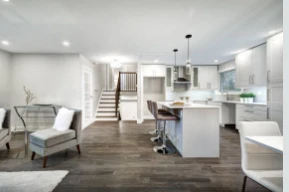
Choosing the right flooring for kitchens and bathrooms can be a tricky decision. These areas are exposed to moisture, spills, and high foot traffic, which means durability and water resistance are key factors. Homeowners often struggle to decide between two popular options: vinyl vs laminate flooring. Both have their advantages, but understanding their differences can help you make the best choice for your space.
Understanding Vinyl Flooring
Vinyl flooring has been a favorite choice for wet areas for decades. It is made from synthetic materials, primarily PVC, and comes in sheets, planks, or tiles. Modern luxury vinyl options even mimic the appearance of hardwood or stone.
Advantages of Vinyl Flooring:
- Waterproof: Vinyl is fully resistant to moisture, making it ideal for kitchens and bathrooms.
- Durability: It can withstand heavy foot traffic and resist scratches and stains.
- Low Maintenance: Easy to clean with regular sweeping and occasional mopping.
- Comfortable: Softer underfoot compared to laminate, and some types include padding for extra comfort.
- Versatile Designs: Available in a wide variety of patterns, colors, and textures.
Disadvantages of Vinyl Flooring:
- Lower Resale Value: Some homeowners prefer natural wood or laminate aesthetics, which may impact property value.
- Environmental Concerns: Being synthetic, vinyl is less eco-friendly than wood-based products.
- Repair Issues: Damaged vinyl planks can be harder to replace seamlessly.
Understanding Laminate Flooring
Laminate flooring is made from a composite wood core with a photographic layer that mimics hardwood or stone, topped with a protective wear layer. While standard laminate is not fully waterproof, many newer options are designed to resist moisture and are marketed as “water-resistant” or “waterproof laminate.”
Advantages of Laminate Flooring:
- Realistic Appearance: Laminate often looks more like real wood than vinyl.
- Durability: Scratch-resistant and able to handle moderate traffic.
- Cost-Effective: Offers the look of hardwood at a lower price point.
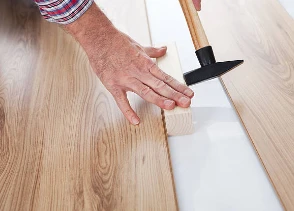
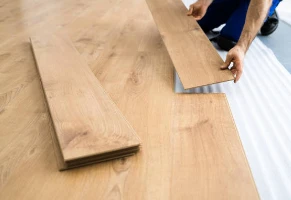
- Easy Installation: Click-lock planks make DIY installation feasible.
Disadvantages of Laminate Flooring:
- Moisture Sensitivity: Standard laminate can warp or swell if water penetrates the seams.
- Less Comfortable: Harder underfoot compared to vinyl.
- Noise: Can produce a hollow sound when walked on without underlayment.
Key Differences: Vinyl vs Laminate Flooring
Understanding the distinctions between vinyl vs laminate flooring will help you choose the right type for your kitchen or bathroom.
FeatureVinyl FlooringLaminate FlooringWater Resistance100% waterproofWater-resistant, some types fully waterproofAppearanceRealistic textures, soft underfootHighly realistic wood/stone visuals, firmer feelDurabilityScratch, stain, and dent-resistantScratch-resistant but may swell if exposed to moistureMaintenanceVery lowLow, but avoid standing waterCostAffordableAffordable, slightly more than vinyl in some casesInstallationDIY-friendlyDIY-friendly, click-lock planksComfortSofter underfootFirmer, may need underlayment
Choosing the Right Option for Kitchens
Kitchens are prone to spills, dropped utensils, and high traffic, making water resistance and durability essential. Vinyl flooring is generally the safest choice due to its waterproof nature. It is also comfortable to stand on for long periods while cooking and can easily handle the demands of a busy household.
Laminate flooring can work in kitchens if you choose a waterproof or water-resistant option and take care to clean spills promptly. Its aesthetic appeal may be preferable if you want a warm, natural wood look.
Choosing the Right Option for Bathrooms
Bathrooms see more moisture than kitchens, including standing water near tubs or showers. Vinyl flooring is almost always the recommended choice due to its complete water resistance. Luxury vinyl planks and tiles also provide slip-resistant surfaces, an important safety feature in bathrooms.
Laminate flooring can be risky in bathrooms unless it is specifically labeled as waterproof. Any seepage through seams can cause warping or mold growth. If you prefer laminate, ensure proper underlayment and seal all edges with waterproof caulk.
Installation Considerations
When deciding between vinyl vs laminate flooring, installation plays a key role:
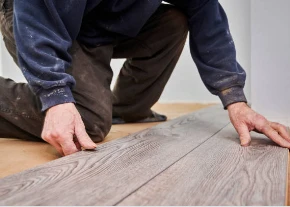
- Vinyl Flooring: Can be glued down, floated, or installed as peel-and-stick tiles. Luxury vinyl planks often feature click-lock systems for DIY installation.
- Laminate Flooring: Usually installed as floating floors with a click-lock system. Use moisture-resistant underlayment for kitchens and bathrooms to reduce the risk of water damage.
Maintenance Tips
Proper maintenance will extend the life of both vinyl and laminate flooring:
- Clean spills immediately to prevent damage.
- Sweep or vacuum regularly to remove dirt and grit.
- Use gentle cleaning products designed for your specific flooring type.
- Avoid dragging heavy furniture across laminate or vinyl surfaces to prevent scratches.
Conclusion
Deciding between vinyl vs laminate flooring for kitchens and bathrooms depends on your priorities. If water resistance, comfort, and low maintenance are top concerns, vinyl flooring is likely the better choice. If aesthetics and a realistic wood or stone look are more important, high-quality laminate can work with proper precautions.
For homeowners seeking guidance, quality products, and expert advice, Honest And Affordable Flooring is a trusted source. Their wide selection of both vinyl and laminate options ensures that you’ll find the perfect flooring for your kitchen or bathroom without compromising on style or durability.



























Sign in to leave a comment.