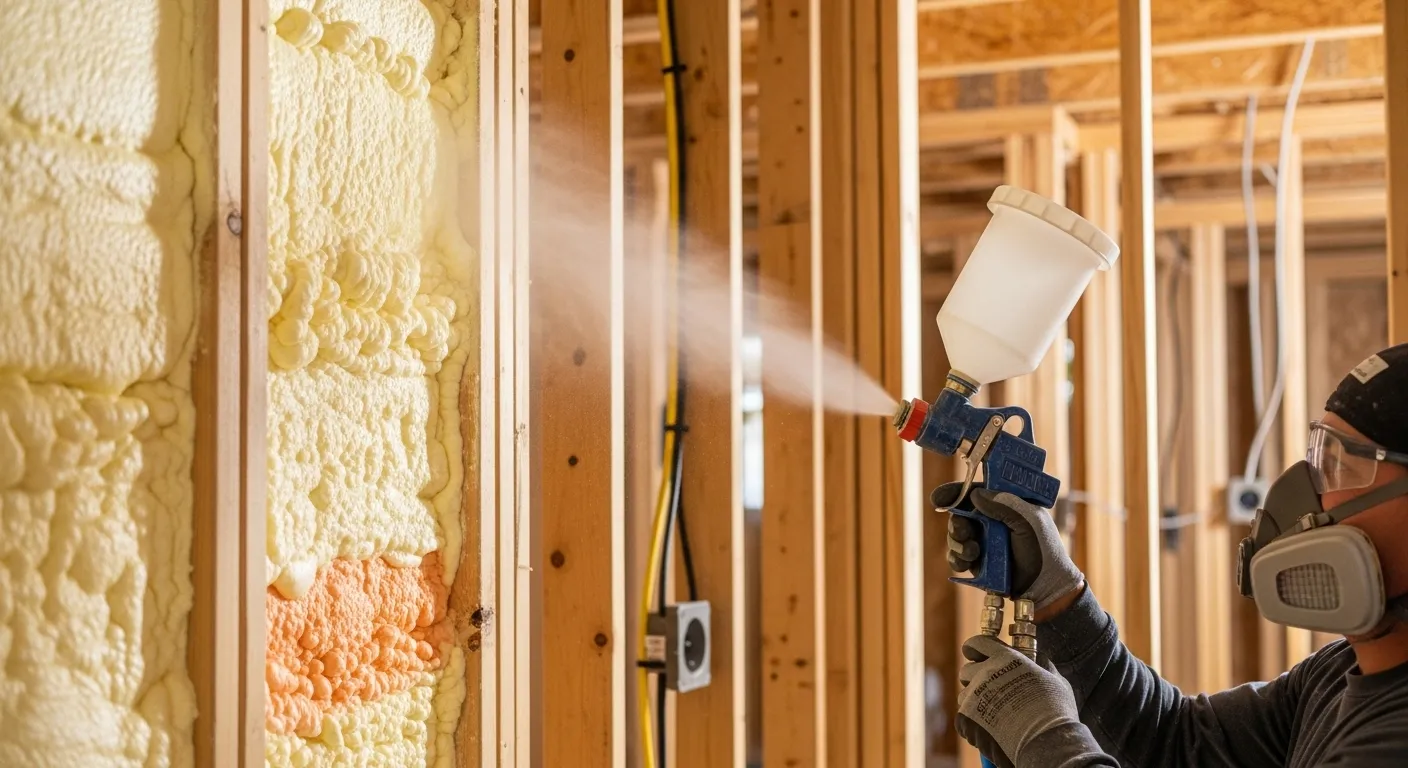

Detecting air leaks after installing spray foam insulation requires a methodical approach involving pressure testing, infrared thermal imaging, and visual inspections of mechanical junctions. You find these gaps by creating a pressure difference between the interior and exterior of your home, forcing air through any remaining holes.
Experts in building science maintain that while spray foam acts as a powerful air barrier, human error during application or building movement can create small bypasses making proper spray foam insulation installation essential for long-term performance. This guide provides the practical methods you need to identify those hidden energy robbers in your own residence.
Why Spray Foam Sometimes Develops Gaps
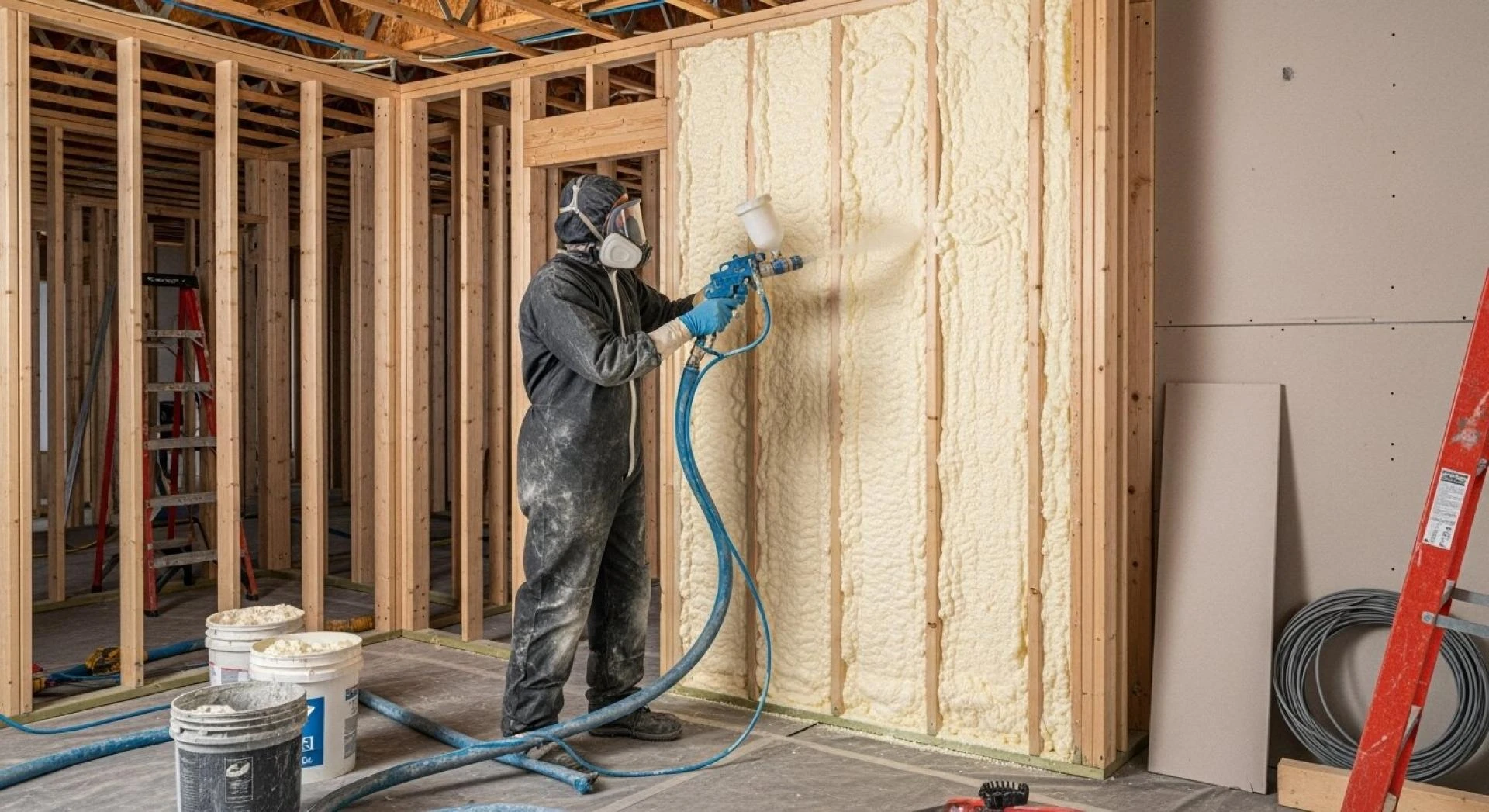
Spray foam creates a monolithic seal, but it remains susceptible to specific installation failures. You should know that if the substrate is wet or freezing during application, the foam fails to adhere properly to your wood or metal framing.
Over time, your house naturally settles, which creates hairline cracks between the foam and your structural studs. When the temperature changes rapidly, materials expand and contract at different rates, potentially pulling the foam away from its anchors.
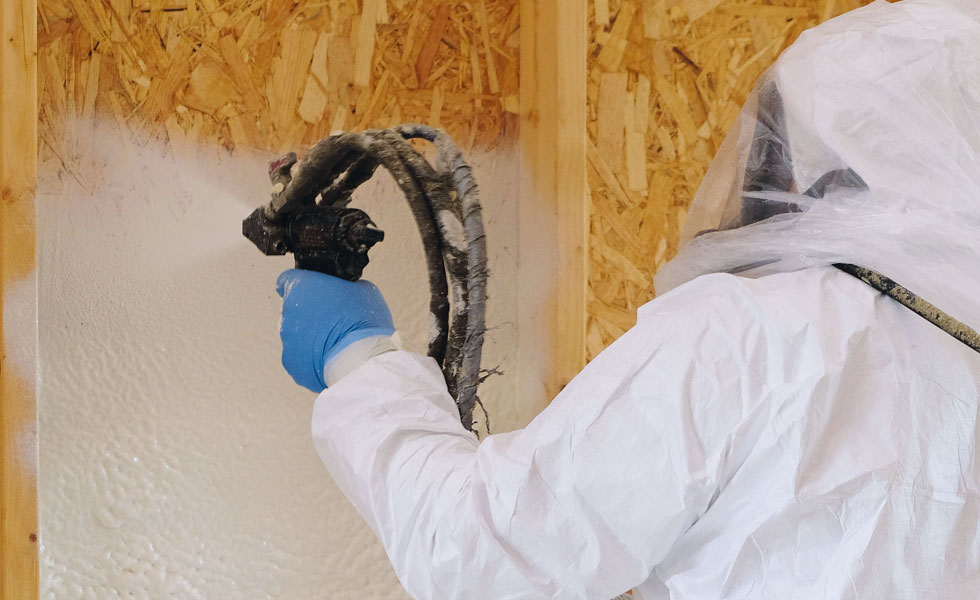
Professional Methods for Air Leak Detection
You get the most accurate results by hiring a specialist to perform a blower door test. This test involves placing a powerful fan in an exterior doorway to pull air out of your house, effectively magnifying any leaks.
Once the house is under negative pressure, you can walk through the rooms with a thermal camera. You look for blue or purple spots on the screen, which indicate cold air infiltration from the outside.
Blower Door Test: Creates an artificial vacuum to pull air through hidden leaks.
Thermal Imaging: Visualizes temperature differences to pinpoint exactly where air moves.
Smoke Pen Testing: Uses a thin stream of artificial smoke to track airflow around window frames and plumbing pipes.
Bonus Tip:
Conduct your testing during a windy day or when the outdoor temperature significantly differs from your indoor thermostat setting. This physical difference makes it much easier to detect drafts with a simple incense stick or thermal scanner.
Common Areas Where Leaks Persist
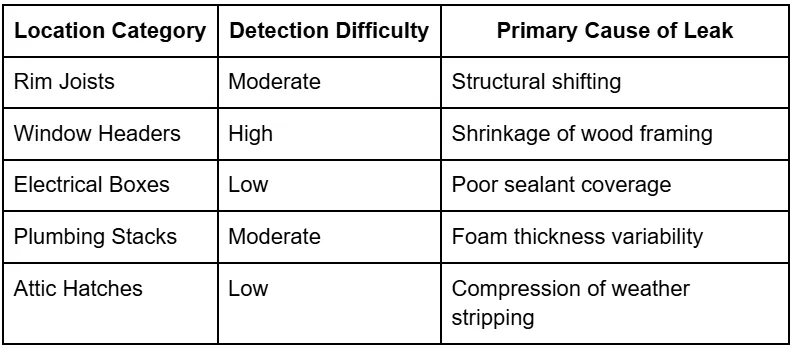
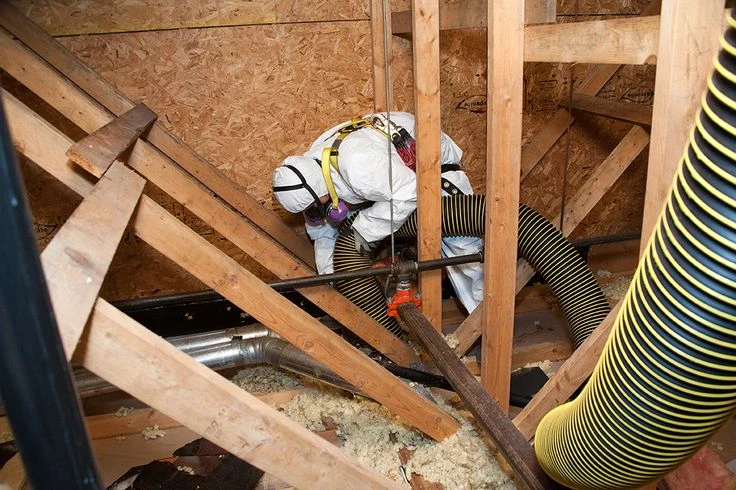
Even with high-quality foam, you often find leaks in areas that were difficult for the installer to reach. These are usually points where multiple building materials meet, such as near your roof rafters or floor joists.
The table below outlines the most frequent locations where you should direct your search efforts after an installation.
How to Conduct a Visual Inspection Without Specialized Gear
You do not always need expensive equipment to find leaks. Often, you can rely on your own senses and simple household tools to identify where your insulation failed to create a perfect seal.
The Hand Test: On a windy day, wet your hand slightly and move it along the edges of your windows, doors, and electrical outlets. The cooling effect of evaporating moisture highlights even tiny drafts.
The Light Test: Turn off all interior lights during the day and have a partner stand outside with a bright work light. Move along your interior walls to see if light shines through any cracks near the ceiling or floor.
The Paper Test: Close a door or window on a piece of paper. If the paper slides out easily with little resistance, your weather stripping or foam seal is not providing enough tension.
Bonus Tip:
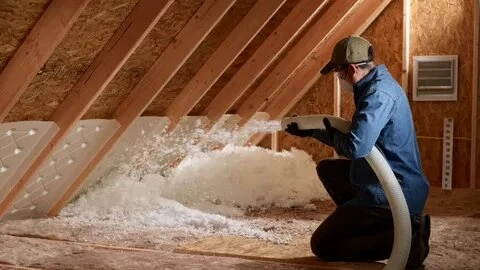
Focus heavily on your attic floor. Because warm air naturally rises, the pressure at the top of your house is higher, making the attic the most likely place for air to escape through tiny, unseen holes.

Things to Consider Before Making a Decision
Before you attempt to fix these leaks yourself, you should evaluate the scope of the problem. If you find large gaps where the foam has pulled away from the studs, you might need professional intervention rather than a simple spray can fix.
Think about the age of your property. Older homes shift more frequently than new construction, which means your foam might need a flexible sealant rather than a rigid filler. Ensure that any product you choose is compatible with the existing insulation material to prevent chemical reactions that could degrade the foam over time.
You Can Fix These Leaks By Yourself
When you locate a minor leak, you can usually seal it with a single-component polyurethane foam specifically designed for gaps and cracks. You simply clean the area, shake the can, and apply a small amount into the gap.
Avoid over-applying the foam. Many types expand significantly, and if you use too much, it can blow your drywall or cause structural stress on interior finishes. Always wear gloves and eye protection, as the uncured material is extremely sticky.
Common Questions Regarding Spray Foam Integrity
How do I know if my foam is failing
You notice a significant increase in your monthly energy bills or feel distinct drafts near exterior walls during cold weather. If the foam feels soft or powdery to the touch, it indicates poor chemical mixing during the initial installation.
Does foam shrink over time?
High-quality closed-cell foam is stable, but improper application in extreme temperatures causes shrinkage. If the foam pulls away from the framing, it leaves a gap that allows air to move freely between your wall cavities.
Are there toxic chemicals in old foam?
While modern foams are generally safe once cured, you should always consult with a professional if you suspect the product is aged or installed incorrectly. They can determine if the material requires professional removal or if it can be sealed over.
What is the most effective DIY detection tool?
An infrared thermal camera remains the most effective tool. It turns heat patterns into visible images, allowing you to see exactly where your insulation has gaps that let outside air enter your home.
Is it safe to seal gaps with standard caulk?
You can use standard latex or silicone caulk for tiny hairline cracks. However, for gaps larger than a quarter inch, you should use a dedicated low-expansion foam to ensure the gap is fully filled and insulated.
Summary of Maintenance and Detection
Identifying air leaks in your home is a manageable task if you know where to look. By combining visual inspections with pressure testing, you protect your investment and maintain the thermal efficiency you expected from your insulation. Always prioritize safety when using tools, and remember that professional support is available when the job requires specialized equipment or extensive repairs. Assess your home regularly to ensure your indoor environment stays comfortable and energy-efficient throughout every season.
How to Reach Out for Professional Insulation Assistance
If you feel overwhelmed by the task of testing your home or if the leaks appear widespread, you should contact a trusted professional. Lamothe Insulation specializes in identifying and remediating air gaps that compromise the integrity of your thermal envelope. Their team uses advanced tools to ensure your home reaches maximum energy efficiency. You can reach out to them by emailing [email protected] or calling (508) 847-0119 to discuss your property needs and receive a free quote today.






















Sign in to leave a comment.