
Introduction
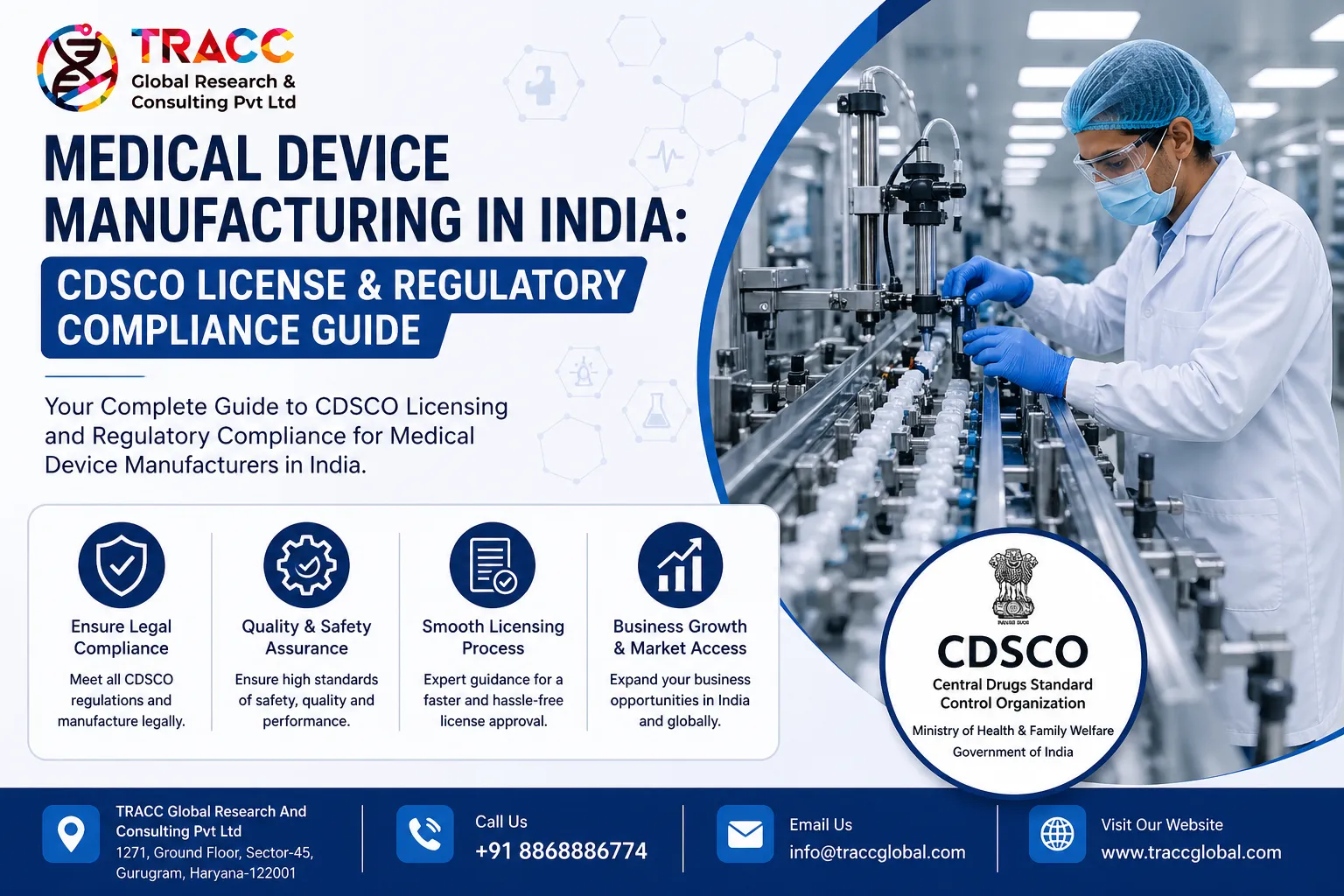
Manufacturing medical devices in India comes with great opportunities, but it also requires strict adherence to regulatory standards. One of the most important aspects is ensuring smooth compliance with CDSCO requirements. For many manufacturers, especially those new to the process, understanding how to manage compliance efficiently can be challenging.
A well-planned approach can make a significant difference. Instead of seeing compliance as a complex hurdle, it can be managed step by step with the right understanding and preparation.
Understanding CDSCO Compliance
CDSCO (Central Drugs Standard Control Organization) is responsible for regulating medical devices in India. Its main role is to ensure that products are safe, effective, and meet quality standards.
Compliance involves more than just getting a license. It includes maintaining proper documentation, following quality systems, and meeting ongoing regulatory requirements.
Start with Correct Device Classification
One of the first and most important steps is identifying the correct classification of your medical device. Devices are categorized into Class A, B, C, and D based on risk level.
This classification determines:
- The type of application required
- The level of regulatory scrutiny
- The documentation needed
Getting this step right from the beginning helps avoid unnecessary delays later.
Focus on Strong Documentation
Documentation plays a central role in CDSCO compliance. Manufacturers need to prepare detailed and accurate documents such as:
- Device Master File (DMF)
- Plant Master File (PMF)
- Technical specifications
- Quality certifications like ISO 13485
Clear and consistent documentation reduces the chances of queries and speeds up the approval process.
Build a Reliable Quality Management System
A well-implemented Quality Management System (QMS) ensures consistency and compliance in manufacturing processes. ISO 13485 is commonly followed in the medical device industry.
A strong QMS helps in:
- Maintaining product quality
- Meeting regulatory expectations
- Handling audits and inspections effectively
Understand the Application Process
The CDSCO application process is conducted through the SUGAM portal. It involves:
- Submitting the correct application form
- Uploading required documents
- Paying applicable fees
After submission, authorities review the application and may request clarifications or additional information.
Be Prepared for Inspections
For certain categories of devices, regulatory authorities may inspect the manufacturing facility. This step ensures that:
- Infrastructure meets required standards
- Manufacturing processes are properly followed
- Safety measures are in place
Being prepared for inspections helps avoid last-minute issues.
Common Challenges and How to Overcome Them
Many manufacturers face similar challenges during compliance:
- Confusion about classification
- Incomplete documentation
- Delays in responding to queries
- Lack of regulatory knowledge
These can be avoided by staying organized, planning ahead, and understanding the requirements clearly.
Tips for a Smooth Compliance Process
To ensure a smoother experience:
- Start preparation early
- Double-check all documentation
- Follow CDSCO guidelines carefully
- Maintain clear communication during review
- Keep quality systems updated
Consistency and attention to detail make a big difference.
Long-Term Importance of Compliance
Compliance is not a one-time activity. Maintaining standards after approval is equally important. It helps in:
- Building trust in the market
- Avoiding penalties or license issues
- Supporting business growth
- Expanding into global markets
A strong compliance foundation benefits your business in the long run.
Conclusion
Ensuring smooth CDSCO compliance for Medical device manufacturing in India may seem complex at first, but with the right approach, it becomes manageable. Understanding the process, preparing proper documentation, and maintaining quality standards are key to success.
By focusing on these areas, manufacturers can reduce delays, improve approval timelines, and build a strong presence in the industry.


























Sign in to leave a comment.