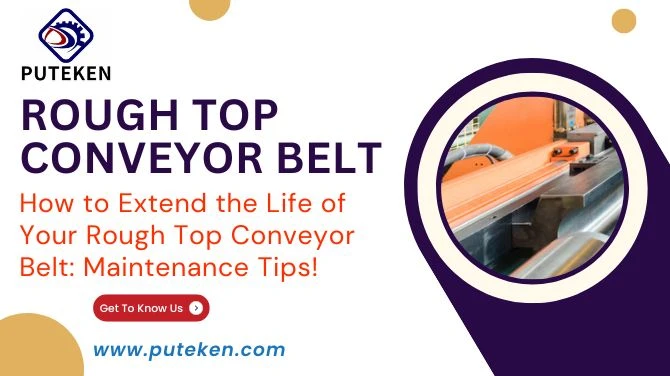
In the fast-paced world of material handling and industrial automation, the efficiency and reliability of your conveyor systems are crucial to maintaining smooth operations and minimizing costly downtime. Among the many types of conveyor belts available, the Rough Top Conveyor Belt stands out for its unique surface texture and superior grip, making it an ideal choice for transporting packaged goods, boxes, and other items that require extra traction. However, like any critical component in your production line, the longevity and performance of your Rough Top Conveyor Belt depend heavily on proper maintenance and care.
At Shanghai Puteken Transmission System Co., Ltd., we understand that investing in a high-quality Rough Top Conveyor Belt is only the first step. To truly maximize your return on investment and ensure uninterrupted productivity, it is essential to implement a comprehensive maintenance strategy tailored to the specific needs of your conveyor system. By doing so, you can not only extend the life of your belt but also enhance safety, reduce operational costs, and improve overall efficiency.
Understanding Rough Top Conveyor Belts
What is a Rough Top Conveyor Belt?
A Rough Top Conveyor Belt is a specialized type of conveyor belt characterized by its textured, rubberized surface. This rough, patterned top layer provides enhanced grip and friction, making it particularly effective for transporting items that might otherwise slip or shift during movement. The design is especially beneficial for inclined conveyors, packaging lines, and applications where stability and control are paramount.
Key Features and Benefits
- Superior Grip: The rough surface ensures that packages, boxes, and other items remain securely in place, even on steep inclines.
- Shock Absorption: The textured top layer helps cushion impacts, reducing the risk of product damage.
- Versatility: Suitable for a wide range of industries, including logistics, warehousing, food processing, and manufacturing.
- Durability: High-quality Rough Top Conveyor Belts are designed to withstand heavy use and resist wear, but like all equipment, they require regular maintenance to perform at their best.
The Importance of Maintenance for Conveyor Belts
Why Maintenance Matters?
Conveyor belts are the backbone of many industrial operations. When a belt fails, the entire production line can come to a halt, leading to lost productivity, increased labor costs, and potential damage to goods. Regular maintenance is essential for several reasons:
- Prolongs Belt Life: Proper care can significantly extend the lifespan of your Rough Top Conveyor Belt, reducing the frequency and cost of replacements.
- Prevents Unexpected Downtime: Routine inspections and timely repairs help identify and address issues before they escalate into major problems.
- Ensures Safety: A well-maintained conveyor system minimizes the risk of accidents and injuries caused by belt slippage, misalignment, or sudden failures.
- Optimizes Performance: Clean, properly tensioned, and aligned belts operate more efficiently, reducing energy consumption and improving throughput.
The Cost of Neglect
Neglecting maintenance can have serious consequences, including:
- Premature belt wear and failure
- Increased risk of product damage
- Higher energy consumption
- More frequent and costly repairs
- Reduced overall equipment effectiveness (OEE)
Common Causes of Wear and Failure in Rough Top Conveyor Belts
Understanding the factors that contribute to belt wear and failure is the first step in developing an effective maintenance strategy. Some of the most common causes include:
1. Improper Tensioning
A belt that is too tight can cause excessive strain on the belt and conveyor components, leading to premature wear. Conversely, a belt that is too loose may slip, resulting in uneven wear and reduced efficiency.
2. Misalignment
Misaligned pulleys or rollers can cause the belt to track off-center, leading to edge wear, fraying, and potential belt damage.
3. Contamination
Dirt, dust, oil, and other contaminants can accumulate on the belt surface, increasing friction, causing slippage, and accelerating wear.
4. Overloading
Exceeding the recommended load capacity of your Rough Top Conveyor Belt can cause stretching, tearing, and other forms of damage.
5. Environmental Factors
Exposure to extreme temperatures, moisture, chemicals, or UV radiation can degrade the belt material over time.
6. Mechanical Damage
Sharp objects, improper loading, or contact with conveyor components can cause cuts, gouges, or punctures in the belt surface.
Essential Maintenance Tips to Extend Belt Life
Now that we’ve identified the main causes of belt wear, let’s explore the best practices for maintaining your Rough Top Conveyor Belt and maximizing its lifespan.
1. Conduct Regular Inspections
Visual Checks: Inspect the belt surface, edges, and underside for signs of wear, fraying, cracks, or damage.
Listen for Unusual Noises: Squeaking, grinding, or slapping sounds may indicate misalignment, tension issues, or foreign objects.
Check for Proper Tracking: Ensure the belt runs straight and true along the conveyor. Misalignment should be corrected immediately.
2. Maintain Proper Tension
Follow Manufacturer Guidelines: Refer to the specifications provided by Shanghai Puteken Transmission System Co., Ltd. for recommended tension levels.
Use Tension Gauges: Invest in a quality tension gauge to ensure accurate adjustments.
Avoid Over-Tensioning: Excessive tension can cause unnecessary wear and damage to both the belt and conveyor components.
3. Keep the Belt Clean
Regular Cleaning: Remove dust, debris, and product residues from the belt surface using a soft brush or cloth.
Avoid Harsh Chemicals: Use mild, non-abrasive cleaners that are compatible with the belt material.
Install Belt Cleaners or Scrapers: These devices can help keep the belt surface free of contaminants during operation.
4. Monitor and Adjust Tracking
Check Alignment: Regularly inspect pulleys, rollers, and idlers for proper alignment.
Adjust as Needed: Make small, incremental adjustments to correct tracking issues and prevent edge wear.
5. Lubricate Moving Parts
Lubricate Bearings and Rollers: Proper lubrication reduces friction and wear on conveyor components, indirectly extending belt life.
Avoid Belt Contamination: Be careful not to get lubricant on the belt surface, as this can cause slippage.
6. Protect Against Overloading
Adhere to Load Limits: Never exceed the maximum load capacity specified for your Rough Top Conveyor Belt.
Distribute Loads Evenly: Ensure that products are loaded evenly across the belt to prevent localized stress and stretching.
7. Address Environmental Challenges
Control Temperature and Humidity: Where possible, maintain stable environmental conditions to prevent material degradation.
Shield from Chemicals and UV Exposure: Use protective covers or barriers if the belt is exposed to harsh chemicals or direct sunlight.
8. Train Your Staff
Provide Training: Ensure that all personnel involved in conveyor operation and maintenance are properly trained.
Encourage Reporting: Create a culture where employees report issues promptly, allowing for quick resolution.
Advanced Troubleshooting and Preventive Measures
Even with regular maintenance, issues can occasionally arise. Here are some advanced troubleshooting tips and preventive measures to keep your Rough Top Conveyor Belt in top condition:
1. Address Belt Slippage
Check Tension: Adjust as needed to prevent slippage.
Inspect Drive Pulley: Ensure the drive pulley is clean and free of wear.
Replace Worn Components: If the pulley lagging or the belt surface is worn, replace them promptly.
2. Prevent Edge Wear and Fraying
Maintain Alignment: Regularly check and adjust alignment to prevent the belt from rubbing against conveyor frames or guides.
Install Edge Guards: Consider adding edge guards to protect the belt from accidental contact with sharp objects.
3. Minimize Impact Damage
Use Impact Beds or Rollers: Install impact beds or rollers at loading points to cushion heavy or sharp items.
Control Loading Height: Minimize the drop height of products onto the belt to reduce impact forces.
4. Monitor Belt Wear Patterns
Track Wear Over Time: Keep records of wear patterns and maintenance activities to identify recurring issues.
Schedule Preventive Maintenance: Use this data to plan preventive maintenance and belt replacements before failures occur.
5. Upgrade When Necessary
Consider Belt Upgrades: If your application has changed or you are experiencing frequent issues, consult with Shanghai Puteken Transmission System Co., Ltd. about upgrading to a more suitable Rough Top Conveyor Belt.
The Role of Quality and Proper Installation
Why Quality Matters?
The quality of your Rough Top Conveyor Belt plays a significant role in its performance and longevity. High-quality belts from reputable manufacturers like Shanghai Puteken Transmission System Co., Ltd. are engineered to withstand demanding conditions and provide consistent, reliable service.
Why Choose Shanghai Puteken Transmission System Co., Ltd.?
When it comes to Rough Top Conveyor Belts, Shanghai Puteken Transmission System Co., Ltd. is a trusted partner for businesses worldwide. Here’s why:
- Expertise and Experience
With years of experience in conveyor belt manufacturing, we understand the unique challenges faced by different industries. Our team of experts can help you select the ideal Rough Top Conveyor Belt for your specific application. - High-Quality Materials
We use only the finest materials and advanced manufacturing techniques to produce belts that are strong, durable, and reliable. - Customization and Flexibility
Every business is unique, and so are its material handling needs. We offer a wide range of customization options to ensure your Rough Top Conveyor Belt meets your exact specifications. - Comprehensive Support
From initial consultation to after-sales service, we provide comprehensive support to ensure your conveyor system operates smoothly and efficiently.
Maintaining your Rough Top Conveyor Belt is not just about prolonging its life—it’s about ensuring the efficiency, safety, and reliability of your entire material handling operation. By implementing regular inspections, proper tensioning, cleaning, and alignment, you can prevent common issues and maximize the performance of your conveyor system. Additionally, investing in high-quality belts and following best installation practices will further enhance durability and reduce the risk of unexpected failures.
Frequently Asked Questions (FAQ)
Q1: How often should I inspect my Rough Top Conveyor Belt?
A: It is recommended to perform visual inspections at least once a week and conduct more thorough checks monthly. The frequency may vary depending on the intensity of use and operating conditions.
Q2: What is the typical lifespan of a Rough Top Conveyor Belt?
A: With proper maintenance, a high-quality Rough Top Conveyor Belt can last several years. However, lifespan depends on factors such as load, speed, environment, and maintenance practices.
Q3: Can I repair a damaged Rough Top Conveyor Belt, or should I replace it?
A: Minor damage, such as small cuts or surface wear, can sometimes be repaired using patch kits or adhesives. However, significant damage or structural issues usually require belt replacement to ensure safety and performance.
Q4: How do I clean my Rough Top Conveyor Belt?
A: Use a soft brush or cloth and mild, non-abrasive cleaners. Avoid harsh chemicals that could damage the belt material. For food-grade applications, follow industry-specific cleaning protocols.
Q5: What causes my belt to slip, and how can I fix it?
A: Belt slippage is often caused by improper tension, worn pulleys, or contamination. Check and adjust tension, clean the drive pulley, and replace worn components as needed.
Q6: Can I use a Rough Top Conveyor Belt in extreme temperatures?
A: Rough Top Conveyor Belts are designed for a range of temperatures, but extreme heat or cold can affect performance. Consult with Shanghai Puteken Transmission System Co., Ltd. for belts designed for specific temperature ranges.
Q7: How do I know if my belt is properly tensioned?
A: Use a tension gauge or follow the manufacturer’s guidelines for your specific belt type. Proper tension ensures optimal performance and reduces wear.
Q8: What should I do if my belt is misaligned?
A: Stop the conveyor and inspect pulleys, rollers, and frames for alignment. Make incremental adjustments until the belt tracks correctly.
Q9: How can I order a Rough Top Conveyor Belt from Shanghai Puteken Transmission System Co., Ltd.?
A: Contact our sales team with your requirements, and we will guide you through the selection and ordering process.
























Sign in to leave a comment.