
If you’ve started noticing ticks crawling on your pets, clinging to your clothes, or just finding them in your home, your yard is officially compromised. Ticks are annoying, stealthy, and stubborn. But the good news is that with the right strategies, you can take back your yard and keep these parasites out for good.
In this blog, you'll learn how to get rid of ticks in your yard effectively, using real homeowner tips and pest-control-level strategies. And yes, don't worry, everything here is practical, researched, and doable.
Why Ticks Infest Your Yard and How They Spread
Ticks don’t just magically appear in your garden. They settle in because something about your yard is catering to them. That “something” usually includes:
- Moist, shaded areas
- Overgrown grass
- Leaf piles
- Wooded edges
- High rodent activity
- Lots of wildlife walking through your property
Ticks are survival experts. They hide, wait, and latch. And the moment temperatures rise above freezing, their activity spikes. Understanding this behavior is the first step toward solid tick control.
Best Methods for Getting Rid of Ticks in Your Yard
1. Start with a Yard Cleanup (This Eliminates 60% of Tick Habitat)
Ticks tend to avoid sunlight and dryness. So when you tidy the yard, you're literally removing their safe spaces. Here are some of the ways you can start:
- Cut the grass short and keep it short
- Remove leaf piles
- Trim bushes and hedges
- Clear brush and overgrowth
- Keep firewood elevated and dry
- Declutter shaded corners
Doing these things alone makes you win half the battle with ticks.
2. Using Sunlight and Landscaping
Ticks thrive in humid micro-environments. When you thin out the shade and improve airflow, their population collapses. Try:
- Pruning tree branches
- Spacing out dense plants
- Adding gravel or mulch borders around high-traffic areas
- Letting sunlight reach soil that’s usually damp
Make your yard a place where ticks can’t hide.
3. Reduce Wildlife Activity
Animals like deer, raccoons, possums, squirrels, and stray cats bring tons of ticks to your yard. To stop them:
- Install fencing around your yard
- Use deer-resistant plants
- Store trash in sealed bins
- Keep bird feeders away from the main yard
4. Use Natural Repellents
Natural options won’t wipe out ticks, but they help. Some useful ones include:
- Cedarwood chips
- Eucalyptus sprays
- Rosemary and lavender planting
- Diatomaceous earth in dry areas
Use these as supplements, not your main strategy.
5. Apply a Professional-Grade Tick Treatment for the Yard
This is the step that truly changes everything. A tick treatment for yards usually includes:
- Barrier sprays along the perimeter
- Granules spread across the lawn
- Treatment of shaded areas where ticks breed
- Targeted applications near wood piles, fences, and brush
A high-quality treatment kills ticks at every life stage, that is, larvae, nymphs, and adults. For families with kids, pets, or a heavy tick problem, this is hands-down the most important step.
If you want expert-level elimination without handling chemicals yourself, partnering with a professional like Guardian Mosquito and Pest Control ensures complete coverage and safety-focused tick control.
6. Rodent Control
Mice and rats are small, fast, and always on the move, which makes them perfect carriers for ticks. To reduce rodent activity in your yard, start by sealing holes in sheds and garages, eliminating food sources, and keeping your grass trimmed. Use rodent-proof trash cans, remove clutter piles, and line fences with gravel to make the area less appealing to them. When rodents leave, many ticks leave with them, helping you cut down the tick population naturally.
7. Treat Your Pets
Your yard is only half the equation because your pets are the other half. Use:
- Tick prevention collars
- Spot-on treatments
- Oral medications from your vet
- Regular brushing after outdoor time
When your dog or cat is protected, ticks lose their main entry ticket into your home.
Tick Survival Facts Every Homeowner Should Know
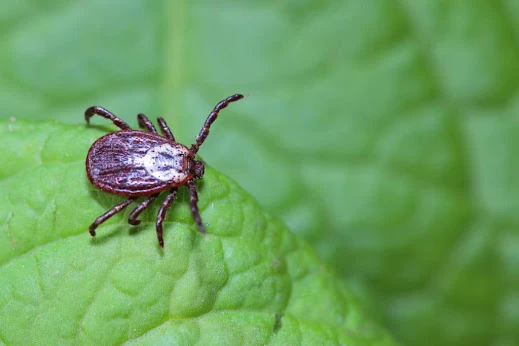
The internet is full of myths about tick survival. Let’s clean them up with facts:
1. Can Ticks Survive in Water?
Yes, ticks can survive being submerged for hours, even days, depending on the species. They breathe slowly and don’t drown easily. So, rinsing them down a drain won't guarantee they die.
2. Can Ticks Swim or Move Through Water?
No, ticks can’t swim. Their bodies aren’t built for it. But they can survive floating, so water doesn’t kill them.
3. Can You Drown a Tick to Kill It?
Realistically speaking? Not easily. Ticks survive even in water bowls, bathtubs, pools, rain, and toilets. If you absolutely need to kill one, use:
- Rubbing alcohol
- Tick-killing spray
- Sealing it in a bag and freezing it
However, water is not a reliable method.
4. Does a Tick Jump?
No, ticks do not jump, fly, or leap. They can’t launch. Ticks tend to climb or crawl, meaning they sit on grass blades and grab onto anything that walks by. That’s how they get you. So if you see one on your leg, it crawled there.
How Long Tick Control Takes to Show Results
With consistent tick control steps, most homeowners see:
- Noticeable reduction in 1-2 weeks
- Major improvement in 4-6 weeks
- Stable, long-term control in 2-3 months
But if your yard has dense woods, high moisture, or heavy wildlife traffic, you’ll need ongoing maintenance.
When to Call a Professional for Tick Removal
If the situation keeps escalating, DIY efforts won’t be enough. It’s time to call professionals when ticks start appearing daily, pets are getting bitten often, you live close to wooded or marshy areas, your kids play outside, store-bought sprays aren’t working, or there’s any concern about tick-borne diseases. Experts have stronger treatments, better tools, and the training needed to eliminate ticks more effectively than any DIY approach.
Final Thoughts
Ticks are one of the most stubborn pests you can deal with, and waiting for them to “go away naturally” is a losing game. If you’re serious about reclaiming your yard, you need a mix of yard cleanup, moisture control, pet protection, and targeted tick treatment for your yard. It’s all about doing several smart things consistently.































Sign in to leave a comment.