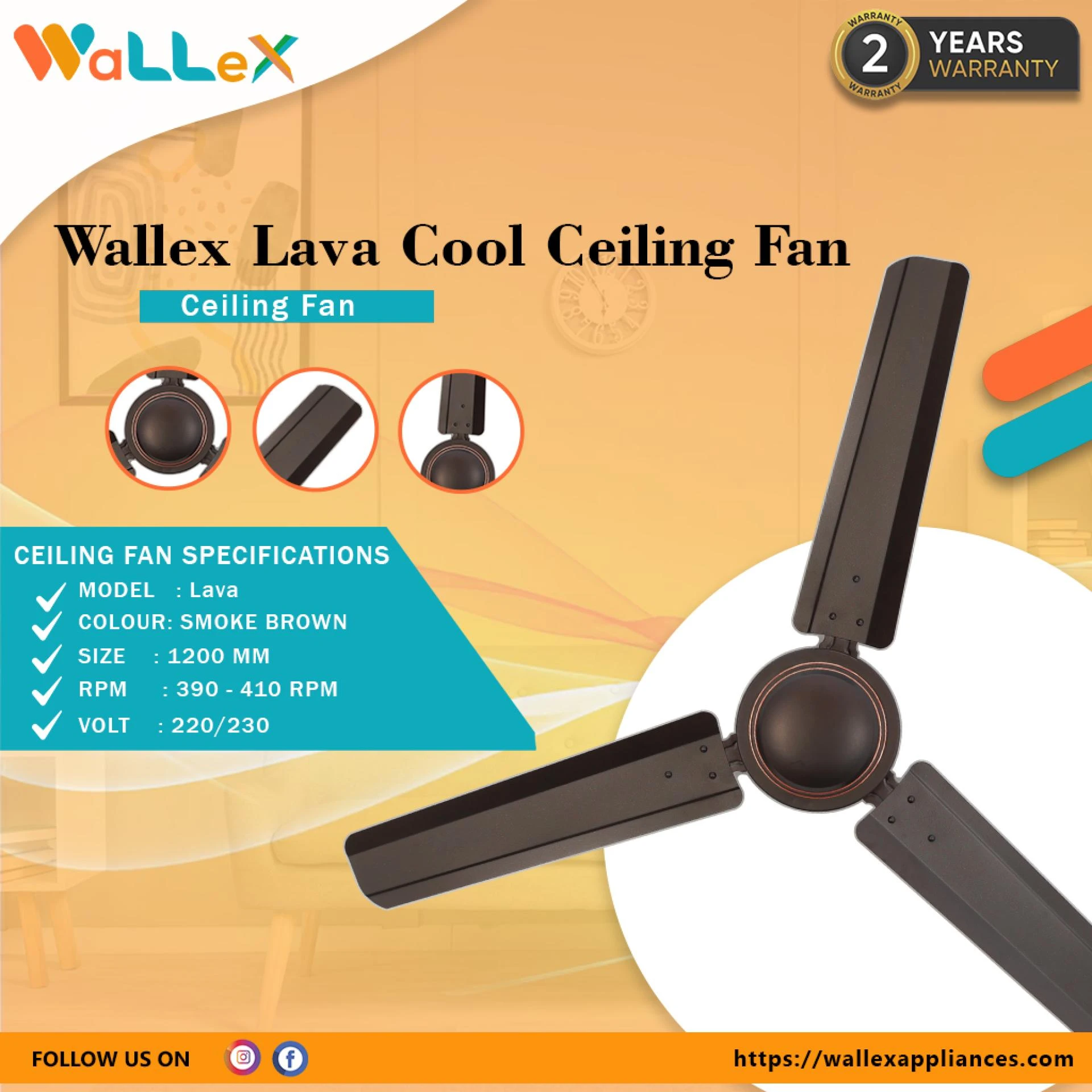

Ceiling fans are a practical and stylish addition to any home. They enhance airflow, contribute to energy efficiency, and can even become a focal point in a room’s decor. Whether you're replacing an outdated light fixture or upgrading from a floor fan, learning how to hang a ceiling fan can be a rewarding do-it-yourself (DIY) project.
This guide provides a detailed, step-by-step approach to help you How to Hang a Ceiling Fan safely and correctly. From choosing the right location and assembling components to wiring and securing the fan, we’ll walk through the entire process with clarity and care.
Benefits of Hanging a Ceiling Fan
Before diving into the technical steps, it's worth highlighting the benefits:
- Improved air circulation: Helps maintain comfortable temperatures in both summer and winter.
- Energy efficiency: Supports HVAC systems by distributing air more evenly.
- Space-saving design: Frees up floor space compared to stand-alone fans.
- Aesthetic enhancement: Modern fans come in stylish designs to complement interior themes.
- Multi-functionality: Many fans include built-in lights, remote control options, and reversible airflow.
Tools and Materials Needed
Before you begin, gather the following tools and supplies to ensure a smooth installation:
- Ladder or step stool
- Voltage tester
- Wire strippers
- Pliers
- Screwdrivers (both flathead and Phillips)
- Wire nuts
- Electrical tape
- Drill and bits (if needed)
- Ceiling fan kit (with mounting bracket and screws)
- Ceiling fan-rated electrical box or support brace
- Safety glasses and gloves (optional but recommended)
Step 1: Choose the Right Location
Not all ceilings are created equal. Choose a stable area that can support the weight and motion of a ceiling fan. Ideally, the location should:
- Be centrally positioned in the room for optimal airflow.
- Have at least 7 feet of clearance from the floor (8–9 feet is ideal).
- Be at least 18 inches away from walls or sloped ceilings.
For rooms with low ceilings, opt for a flush mount or hugger-style fan. For rooms with high or vaulted ceilings, use a downrod extension to hang the fan at the proper height.
Step 2: Turn Off the Power
Safety is paramount. Head to your main electrical panel and turn off the circuit that powers the room where you’ll be working. Do not rely on a wall switch alone. Use a voltage tester to confirm the wires are not live before touching them.
Step 3: Remove the Existing Fixture
If you're replacing an old light fixture or fan:
- Remove any bulbs and the fixture cover.
- Unscrew the fixture base from the ceiling.
- Carefully disconnect the wires by unscrewing the wire nuts.
- Remove the old electrical box if it's not rated for ceiling fans.
Important: Light fixture boxes are not strong enough to hold the weight of a fan. If the existing box is not labeled as “fan-rated,” replace it.
Step 4: Install a Fan-Rated Electrical Box or Support Brace
Ceiling fans typically weigh between 15 and 50 pounds. That’s significantly more than most light fixtures. To support that weight and the fan's motion, a proper electrical box is essential.
If mounting to a ceiling joist:
- Use a fan-rated metal or plastic electrical box that can be screwed directly into the joist.
If mounting between joists:
- Install a metal support brace (available at most hardware stores). These braces expand and lock into place between joists and are designed to hold the weight of a ceiling fan.
Secure the electrical box to the brace and ensure it's tightly fastened. The box should be flush with the ceiling surface.
Step 5: Assemble the Ceiling Fan
Lay the ceiling fan kit on a flat, padded surface like a table or blanket. Carefully follow the manufacturer’s instructions to assemble the parts. While models vary, most fans will include the following components:
- Motor housing
- Mounting bracket
- Downrod (for extended mounting)
- Fan blades
- Blade arms
- Light kit (optional)
- Decorative canopy
If using a downrod:
- Feed the wires through the downrod.
- Attach the downrod to the motor housing and tighten all screws securely.
- Ensure the ball on the end of the downrod fits snugly into the mounting bracket.
For flush mount models:
- The fan motor will attach directly to the mounting bracket without a downrod.
Step 6: Install the Mounting Bracket
The mounting bracket connects the fan to the ceiling and supports the downrod or motor housing. Attach it to the fan-rated electrical box using the included screws.
Ensure the bracket is:
- Centered over the box
- Level and firmly secured
- Able to support the weight of the fan without shifting
Many brackets have a hook or groove to temporarily hold the fan motor while you work on the wiring.
Step 7: Connect the Wiring
Now that the bracket and fan motor are in place, it's time to wire the fan.
You’ll typically see these wires:
- Black or red (hot): Power for the fan motor
- Blue (optional): Power for the light kit
- White: Neutral
- Green or bare copper: Ground
Connect the wires as follows:
- Black (ceiling) to black (fan): Fan motor power
- Blue (fan) to black or red (ceiling): Light power
- White (ceiling) to white (fan): Neutral connection
- Green or bare (ceiling) to green (fan or mounting bracket): Ground
Use wire nuts to cap each connection, then wrap them with electrical tape. Carefully tuck the wires into the ceiling box.
If your fan has a remote receiver, follow the specific instructions to connect it between the fan and ceiling wires.
Step 8: Secure the Fan Motor to the Bracket
With the wires safely tucked in:
- Lift the fan into position.
- Insert the downrod ball into the bracket (ball-and-socket design).
- Or, for flush mounts, align the motor housing and secure it to the mounting bracket with screws.
Attach the decorative canopy to conceal the bracket and wiring.
Ensure everything is tight and secure before proceeding.
Step 9: Attach Fan Blades and Arms
Attach the blade arms to each fan blade using the provided screws. Then:
- Secure the blade arms to the motor housing.
- Make sure all blades are mounted at the same angle and are equally spaced.
- Tighten all screws to prevent rattling and imbalance.
Tip: Use a balancing kit (often included) if your fan wobbles excessively after installation.
Step 10: Install the Light Kit (If Applicable)
If your ceiling fan comes with a light kit:
- Connect the light wires to the fan wires (usually blue and white).
- Attach the light kit to the bottom of the fan motor housing.
- Install the recommended light bulbs and secure any glass globes or decorative shades.
Check that all electrical connections are snug and that the light kit is tightly fastened to avoid shaking.
Step 11: Restore Power and Test the Fan
Go back to your circuit breaker and turn the power back on. Then, test your new ceiling fan using the wall switch, remote control, or pull chains:
- Make sure the fan motor runs smoothly.
- Check the light function.
- Try different speed settings.
- If your fan includes a reverse switch, test it to ensure it changes the blade direction for seasonal airflow adjustment.
Step 12: Final Checks and Adjustments
Take a few moments to review your work:
- Look for any loose screws or visible wires.
- Make sure the fan spins evenly without wobbling.
- Verify that the blades are aligned and free from obstructions.
- Clean off any fingerprints or dust.
If the fan wobbles, use the provided balancing weights on one or more blades until the motion is smooth.
Conclusion
Hanging a ceiling fan may seem like a daunting task at first, but with careful planning and the right tools, it’s a very achievable project for most homeowners. From improving air circulation and reducing energy bills to adding style and light, a ceiling fan is a valuable upgrade to any space.
By following this detailed guide, you ensure a safe and professional-quality installation. Take your time, double-check your wiring, and always prioritize safety. Once hung properly, your ceiling fan will provide years of comfort and efficiency.






























Sign in to leave a comment.