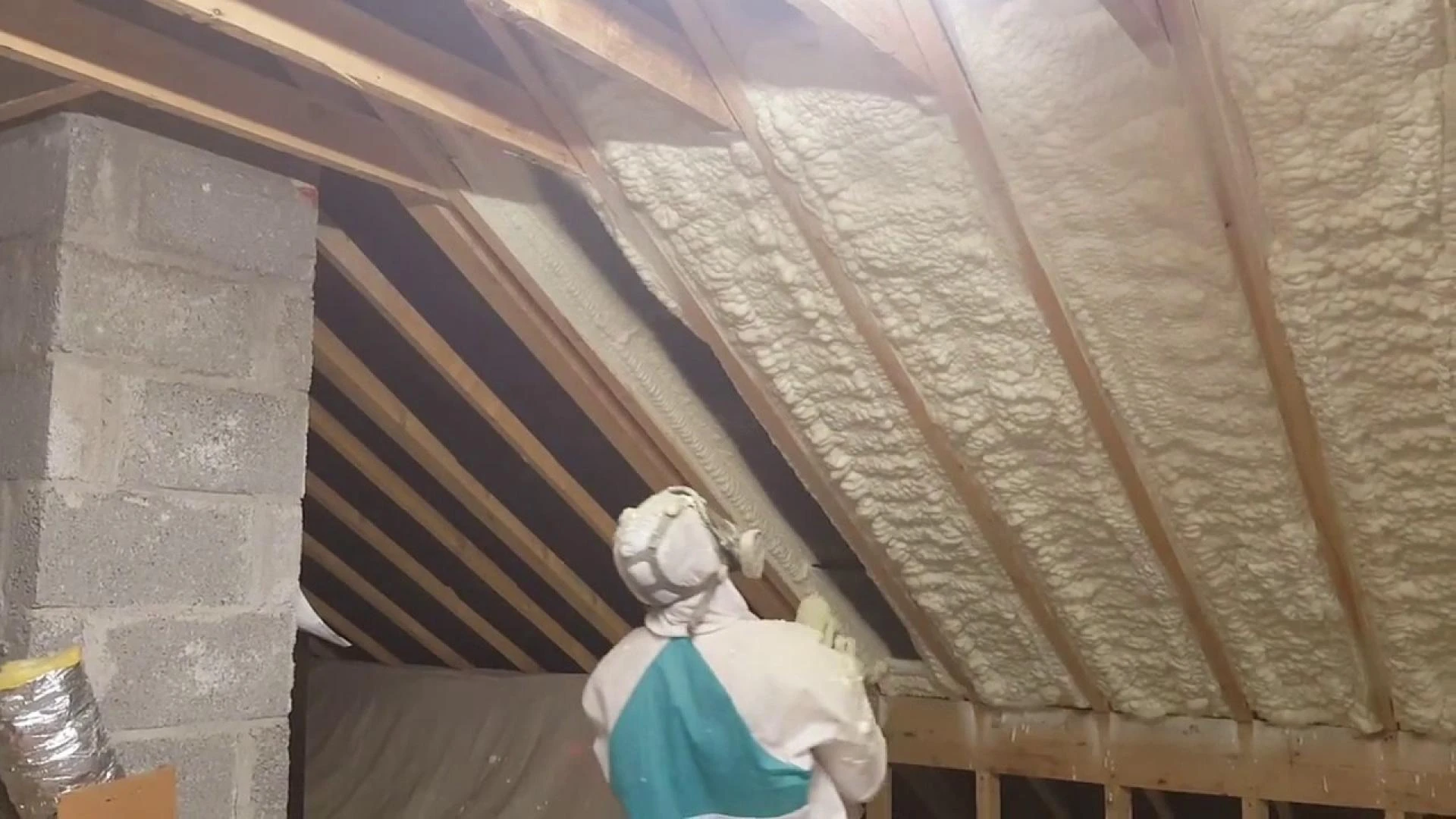

Property owners can identify failing home protection by watching for five specific signs: rising energy bills, uneven room temperatures, persistent drafts, pest activity, and moisture buildup. These issues often mean the thermal barrier has thinned or shifted over time. Finding these problems early helps prevent high repair costs and keeps the living space comfortable.
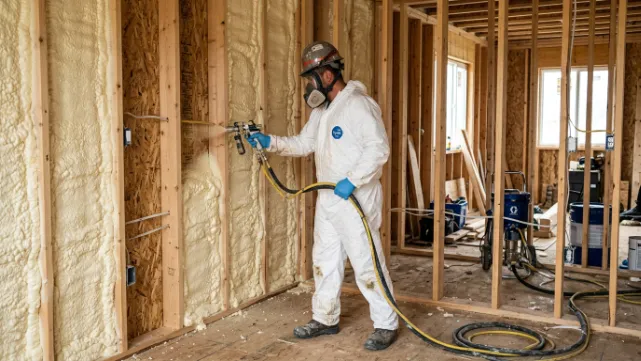
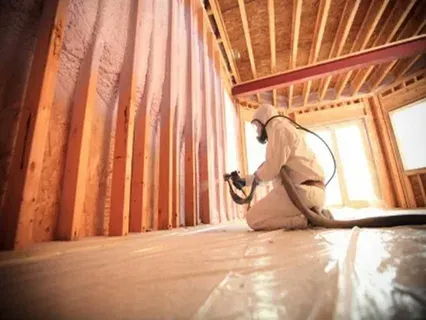
When a building loses its ability to block heat, the cooling system must run without stopping. This extra work leads to faster wear on expensive equipment and higher monthly costs. Expert teams with years of field experience use these signs to determine when Spray Foam Insulation is needed to create a better seal. This guide helps people spot the warnings before they lead to bigger structural issues.
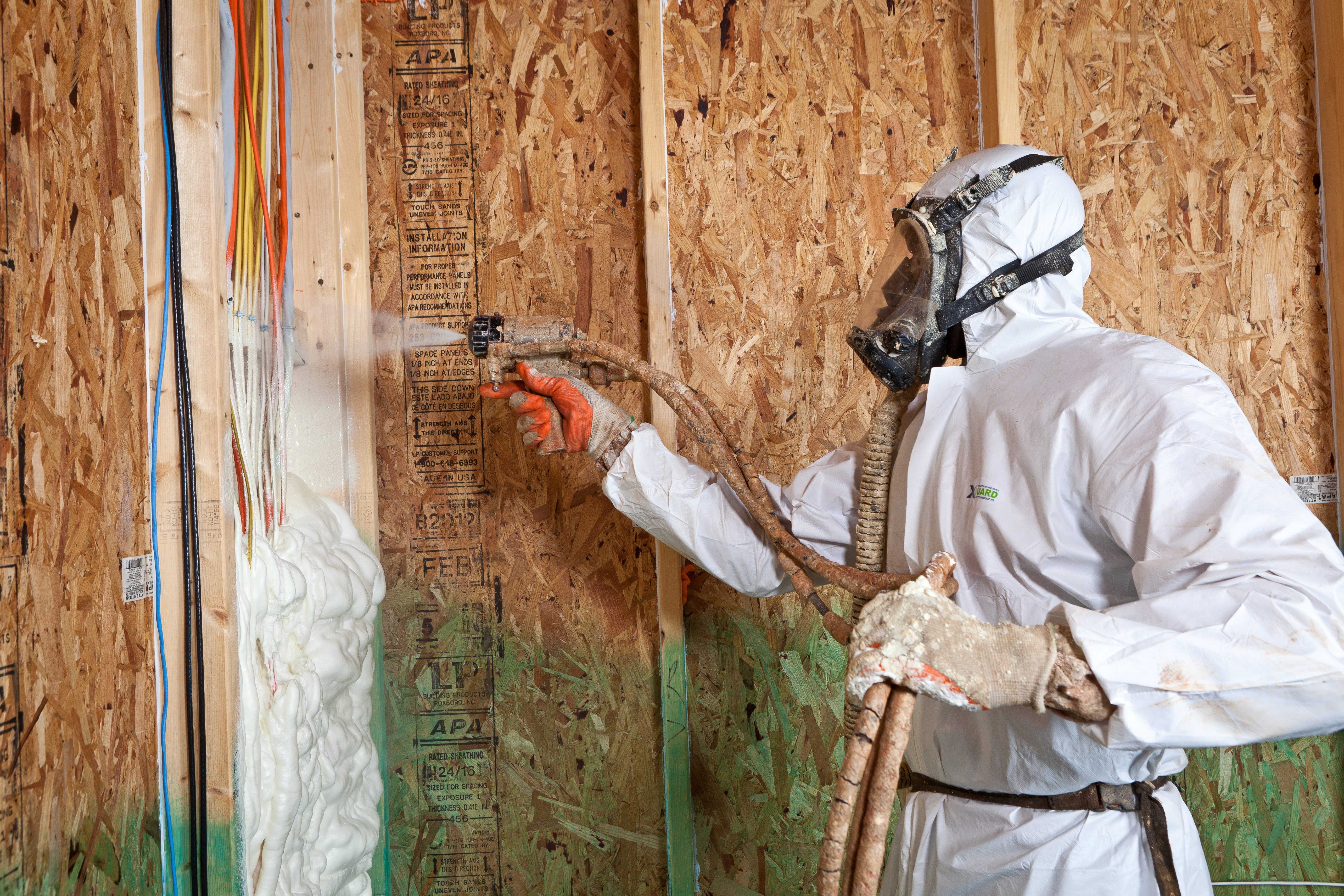
Unexpectedly High Energy Bills
Monthly utility costs are the most common way to spot a failure in home protection. If the bill goes up while the weather stays the same, the house is likely leaking air. This happens when old materials sag or lose their ability to stop heat movement.
Many people find that their home stays much cooler after they fix the old insulation in their attic. Tracking these costs over a full year helps identify when the building is struggling the most. A sudden spike in summer cooling costs is a classic sign of a thermal barrier that is no longer doing its job.
Seasonal Spikes in Power Usage
Power usage usually changes with the seasons, but extreme peaks are not normal. In desert climates like Nevada, a house without a total seal will see massive spikes during July and August. This indicates that the sun is heating the attic faster than the air conditioner can cool the house.
Tracking Energy Trends
Property owners should look at their power usage from the previous year. If the current year shows much higher usage for the same months, something has changed in the building envelope. This comparison is a simple way to verify if the barrier is failing.
Bonus Tip Check the Usage Graph
Most power companies provide a graph that shows daily usage. If the graph shows the cooling system stays on all night, it means the house cannot hold onto the cold air. This is a clear sign that a new seal is needed.
Uneven Temperatures Across Different Rooms
A well protected home should have the same temperature in every room. If the living room feels cool but the bedrooms stay hot, the protection is likely uneven. This often happens in older homes where materials have settled or were never installed correctly.
Thermal bridging occurs when heat travels through the wood or metal studs in the walls. Without a continuous layer of protection, these areas act like a path for heat to enter the house. This makes some walls feel much hotter to the touch than others.
The Hot Room Syndrome
Rooms that sit directly under the attic or have many exterior walls are the first to show signs of trouble. If a room feels like an oven even with the air conditioner on, the barrier above it has likely failed. This makes the room unusable during the hottest parts of the day.
Identifying Cold Spots in Winter
In the shorter winter months, the opposite problem happens. Certain rooms might feel much colder than the rest of the house. This suggests that heat is escaping through the ceiling or walls in those specific areas.
Using a simple hand test on the walls can reveal temperature gaps. A wall that feels very hot or very cold compared to an interior wall means the protection is missing. This is a quick and free way to check for problems.

Persistent Drafts and Air Movement
Drafts are a sign that air is moving freely between the inside and outside of the building. These leaks often occur around windows, doors, and electrical outlets. If a candle flame flickers near a wall, it means air is pushing through the structure.
A total air seal is necessary to stop this movement for good. Standard materials often let air blow straight through them, which ruins their effectiveness. Sealing these gaps is a top priority for maintaining a peaceful and stable home environment.
| Sign of Trouble | Likely Cause | Impact on Home |
|---|---|---|
| Flickering Candles | Wall Leaks | High Drafts |
| Hot Ceilings | Attic Failure | High Bills |
| Musty Smells | Moisture Trapped | Mold Risk |
| Bug Activity | Gaps in Seal | Pest Issues |
| Loud Outside Noise | Thin Barriers | Poor Sleep |
Pest Activity and Moisture Buildup
Pests like bugs and rodents look for small holes to enter a house. If ants or other insects keep appearing in the kitchen or bathrooms, they are likely coming through gaps in the walls. These same gaps allow moisture to enter, which can lead to mold and wood rot.
Moisture on the walls or ceiling is a major warning sign. It happens when warm air meets a cold surface, causing water to form. This water ruins the building materials and can make the indoor air unhealthy for the family.
Signs of Unwanted Guests
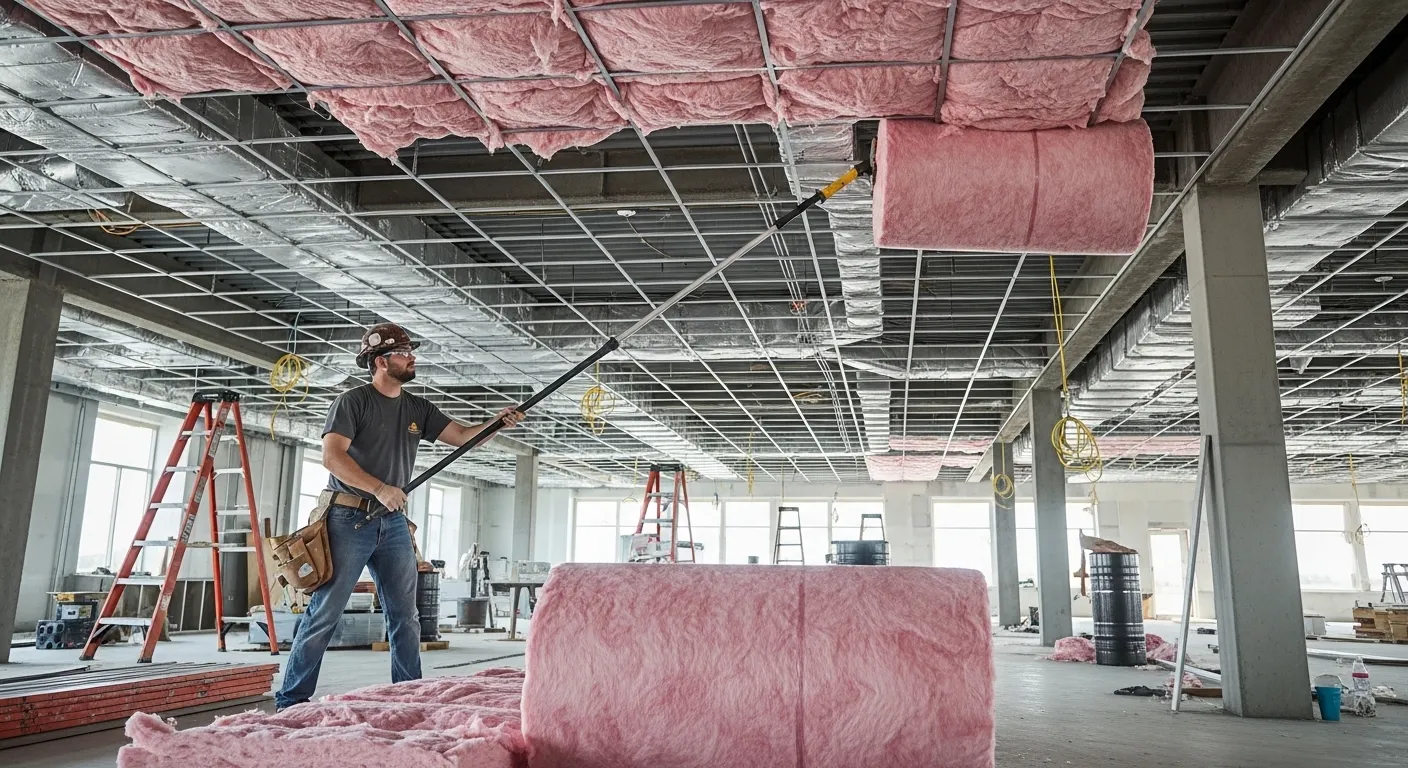
Rodents often nest in old materials like fiberglass because it is easy to move. If a homeowner finds droppings or shredded material in the attic, it means the area is compromised. Replacing these materials with a solid seal prevents pests from finding a place to stay.
Bonus Tip: Look for Dark Spots
Dark spots on old protection often mean that air is filtering through it like a sponge. This dirt stays behind as the air moves through, leaving a permanent stain. These spots show exactly where the biggest leaks are located in the building.Things to Consider Before Making a Decision
Before picking a solution, property owners should think about the long term value of the material. Some options are cheap but need to be replaced every ten years. A permanent seal usually costs more at the start but lasts for the entire life of the building.
- Evaluate the age of the current material to see if it has reached its limit.
- Consider the local weather and how much sun the roof receives each day.
- Check for any signs of water damage that must be fixed before new work starts.
- Think about the noise levels in the neighborhood and if sound blocking is needed.
- Look at the budget and see if utility savings will cover the cost of the project.
Questions People Ask About Identifying Problems
How often should I check my home protection?
It is wise to look at the attic and check for drafts at least once a year. Doing this before the summer heat arrives gives the owner time to make repairs. This prevents a small problem from turning into a high power bill.
Can I fix small gaps myself?
Small gaps around windows can be fixed with simple caulk. However, large areas like the attic or interior walls require a professional team. They have the tools to reach hidden spots and create a total seal that lasts.
Does the material shrink over time?
Older materials like cellulose can settle and lose several inches of thickness. This leaves parts of the wall or attic exposed to the heat. Modern solid seals do not shrink or sag, so they stay effective for much longer.
Why does my attic smell musty?
A musty smell usually means moisture is trapped in the old materials. This often leads to mold growth which can spread to the rest of the house. Removing the old material and sealing the area stops this problem from returning.
Does loud street noise mean my walls are thin?
Yes, air leaks also let in sound waves. If a house feels very loud, it often means the walls do not have a dense enough barrier. Adding a total seal acts as a muffler and makes the home much quieter.
Summary of Finding Lasting Solutions
Identifying failure in a home's protection is the first step toward a more comfortable life. Watching for high bills, drafts, and uneven heat helps property owners take action before the structure is damaged. Choosing a permanent air seal solves these issues by creating a solid barrier that stays in place for decades. Owners should look at the total value of their property and choose a solution that provides lasting comfort. Taking care of these problems today ensures a much more efficient and peaceful home for many years.
Expert Help for Your Property
If a property in the local area shows these signs of trouble, getting a professional opinion is a smart move. Supreme Spray Foam LV helps residents find and fix the leaks that waste money and ruin comfort. They provide expert services and help owners pick the best products for their specific building type. To learn more about their work or to ask for a quote, people can call (702) 904-9895. Interested readers can also send an email to [email protected] for more information on how to protect their homes from the Nevada heat.
Author: [] Reviewer: Michael Carter reviewed this article using insight gained over 12 years in the spray foam business. His feedback focused on helping contractors reach new customers without overcomplicating their message.
























Sign in to leave a comment.