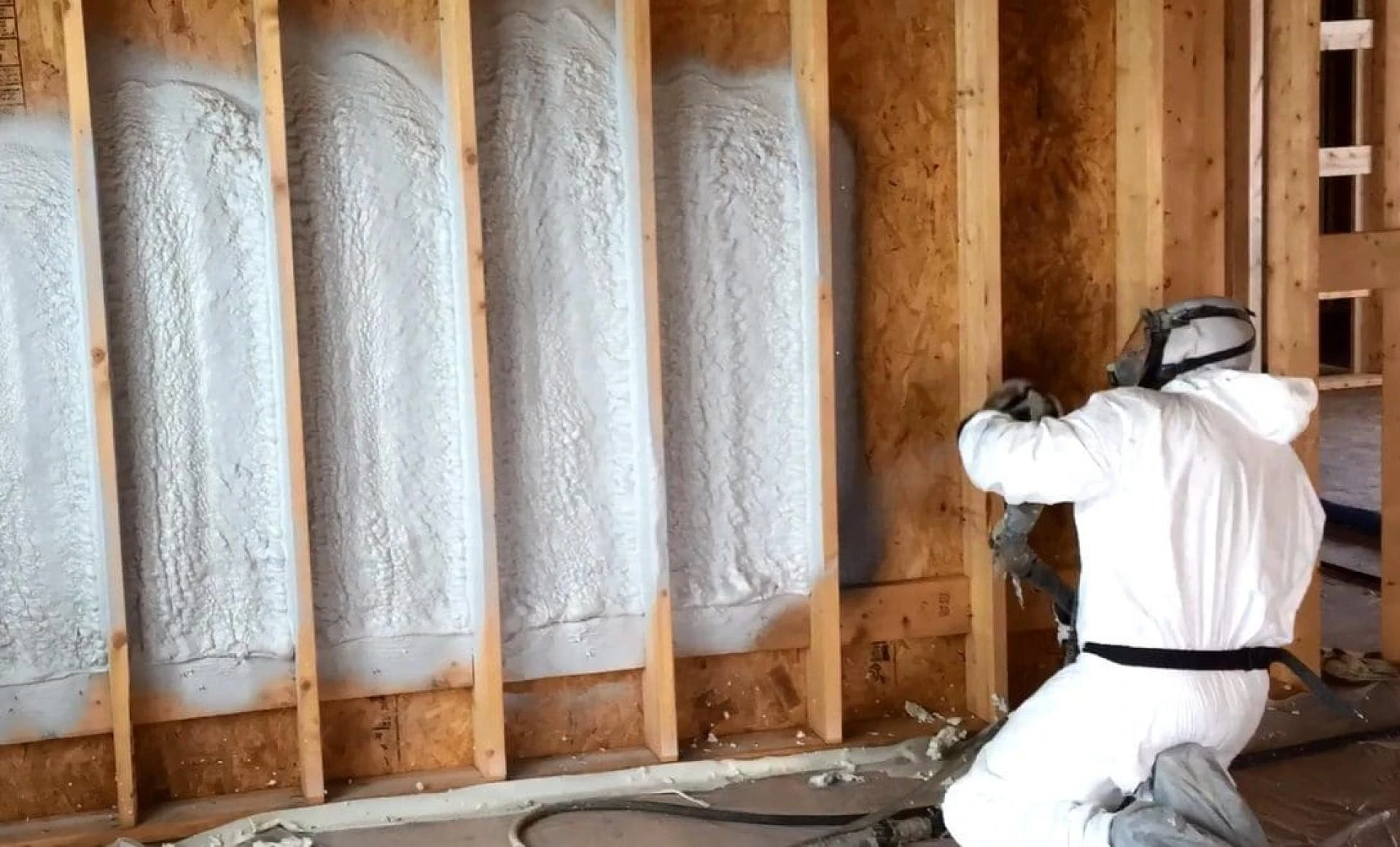

Closed-cell spray foam insulation services can significantly improve family comfort by stabilizing indoor temperatures, blocking outside air, and reducing moisture movement. Homes that struggle with hot rooms, cold drafts, or uneven cooling often see noticeable comfort gains after this insulation is applied. The dense structure helps create a quieter, more consistent indoor environment.
This article explains how Closed-Cell Spray Foam Insulation works, where it delivers the most comfort benefits, and what families should consider before choosing it. The insights shared here reflect real-world residential applications and current market usage across warm and mixed climates.

How Closed-Cell Spray Foam Insulation Affects Daily Comfort
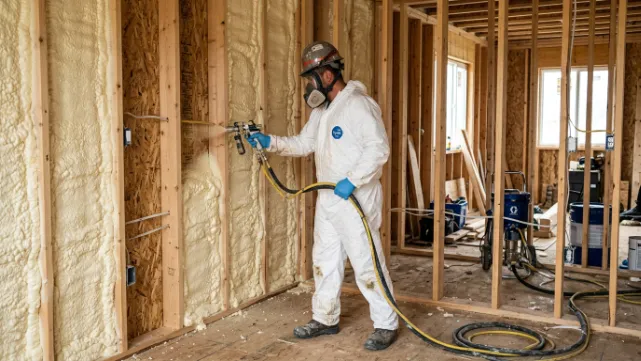
Closed-cell spray foam insulation creates a solid barrier inside walls, ceilings, and floors. This barrier limits heat transfer and air movement that cause discomfort.
Homes with sealed building envelopes tend to feel more stable throughout the day and night.
Temperature Balance Across Living Spaces
Uneven temperatures are one of the most common comfort complaints. Closed-cell spray foam helps reduce these swings.
Why Rooms Feel More Consistent
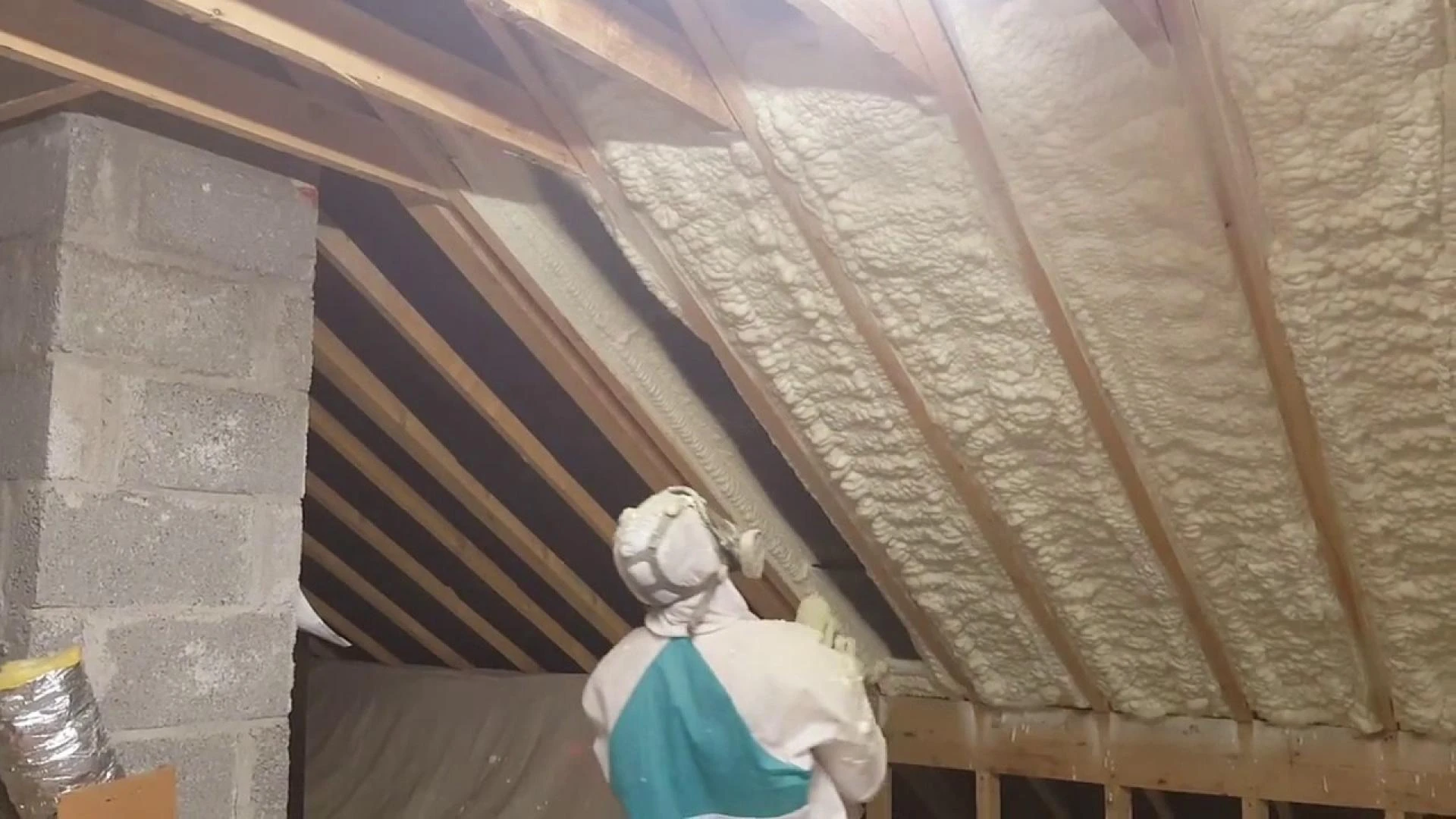
The insulation expands into gaps and joints where air often leaks.
- Reduces hot spots near ceilings and walls
- Limits cold drafts during cooler months
- Helps HVAC systems distribute air more evenly
Many Closed-Cell Spray Foam Insulation services focus on these problem areas first to improve comfort quickly.

Noise Reduction and Indoor Calm
Comfort is not limited to temperature. Sound control also affects how a home feels.
Sound Dampening Benefits
Closed-cell spray foam reduces airborne noise by sealing gaps where sound travels. Homes near traffic or busy neighborhoods often feel quieter after installation.
Market data shows homeowners rank noise reduction among the top three comfort improvements after insulation upgrades.
Improved Sleep and Living Quality
Less outside noise supports better sleep and calmer indoor spaces. Families often notice this benefit within days.
Closed-Cell Spray Foam Insulation experts frequently recommend this solution for homes with shared walls or nearby roadways.
Moisture Control and Indoor Air Feel
Moisture movement affects comfort, even in dry climates. Closed-cell spray foam resists moisture intrusion better than many alternatives.
Reduced Humidity Swings
By limiting air leaks, the insulation helps maintain balanced indoor moisture levels. This prevents rooms from feeling sticky or stale.
Healthier Indoor Conditions
Stable air reduces the chance of condensation inside walls. This supports cleaner indoor conditions over time.
Comparison of Insulation Options for Comfort
Not all insulation types deliver the same comfort results. The table below compares common options.
| Insulation Type | Air Sealing | Noise Control | Moisture Resistance |
|---|---|---|---|
| Closed-Cell Spray Foam | High | Moderate | High |
| Open-Cell Spray Foam | Moderate | High | Low |
| Fiberglass Batts | Low | Low | Low |
Closed-cell spray foam continues to gain market share, now used in over 35 percent of high-performance residential retrofits.
Where Closed-Cell Spray Foam Works Best
Placement matters as much as material choice.
Key Areas That Impact Comfort
Closed-cell spray foam is often used in targeted zones.
- Exterior walls exposed to direct sun
- Attics and rooflines
- Crawl spaces and rim joists
These areas influence indoor comfort the most.
- Focus insulation on sun-facing walls first
- Seal attic access points to prevent heat gain
- Pair insulation with proper ventilation for best results
Things to Consider Before Making a Decision
Families should review several factors before choosing closed-cell spray foam insulation.
Home Structure and Age
Older homes may need prep work before installation. Sealing issues should be addressed first.
Climate and Usage Patterns
Homes in hot regions or with heavy AC use see faster comfort improvements.
Budget and Long-Term Plans
Closed-cell spray foam costs more upfront but offers long-term comfort stability.
Closed-Cell Spray Foam Insulation contractor teams often assess these factors during initial evaluations.
Final Thoughts on Family Comfort Improvements
Closed-cell spray foam insulation supports better temperature balance, quieter rooms, and steadier indoor air. Families dealing with discomfort often find it addresses multiple issues at once. Evaluating home layout, climate exposure, and long-term needs helps determine if this solution fits their goals.
Guidance on Closed-Cell Spray Foam Insulation Options
Homeowners seeking detailed advice often consult experienced providers familiar with residential comfort needs. Supreme Spray Foam LV is one such resource for families exploring Closed-Cell Spray Foam Insulation company options. Readers can reach them at [email protected] or call (702) 904-9895 to discuss insulation approaches suited to their home.
Questions People Ask About Family Comfort and Insulation
Does closed-cell spray foam make rooms quieter?
Yes. It reduces sound transfer by sealing air gaps.
Can it help with uneven cooling?
Yes. It limits heat movement that causes hot and cold spots.
Is it suitable for families with kids?
Yes. Once cured, it supports stable indoor conditions.
Does it work in older homes?
Yes. Many older homes benefit from improved air sealing.
How fast do comfort changes show up?
Most families notice changes within days after installation.
Reviewer: Michael Carter reviewed this article using insight gained over 12 years in the spray foam business. His feedback focused on helping contractors reach new customers without overcomplicating their message.






























Sign in to leave a comment.