

Putting in a full privacy slat top fence isn’t complicated, but it does need patience. I’ve seen plenty of fences fail early not because of bad materials, but because the basics were rushed. If you take your time and get the setup right, this type of fencing will stay straight and solid for years.
What Is a Full Privacy Slat Top Fence?
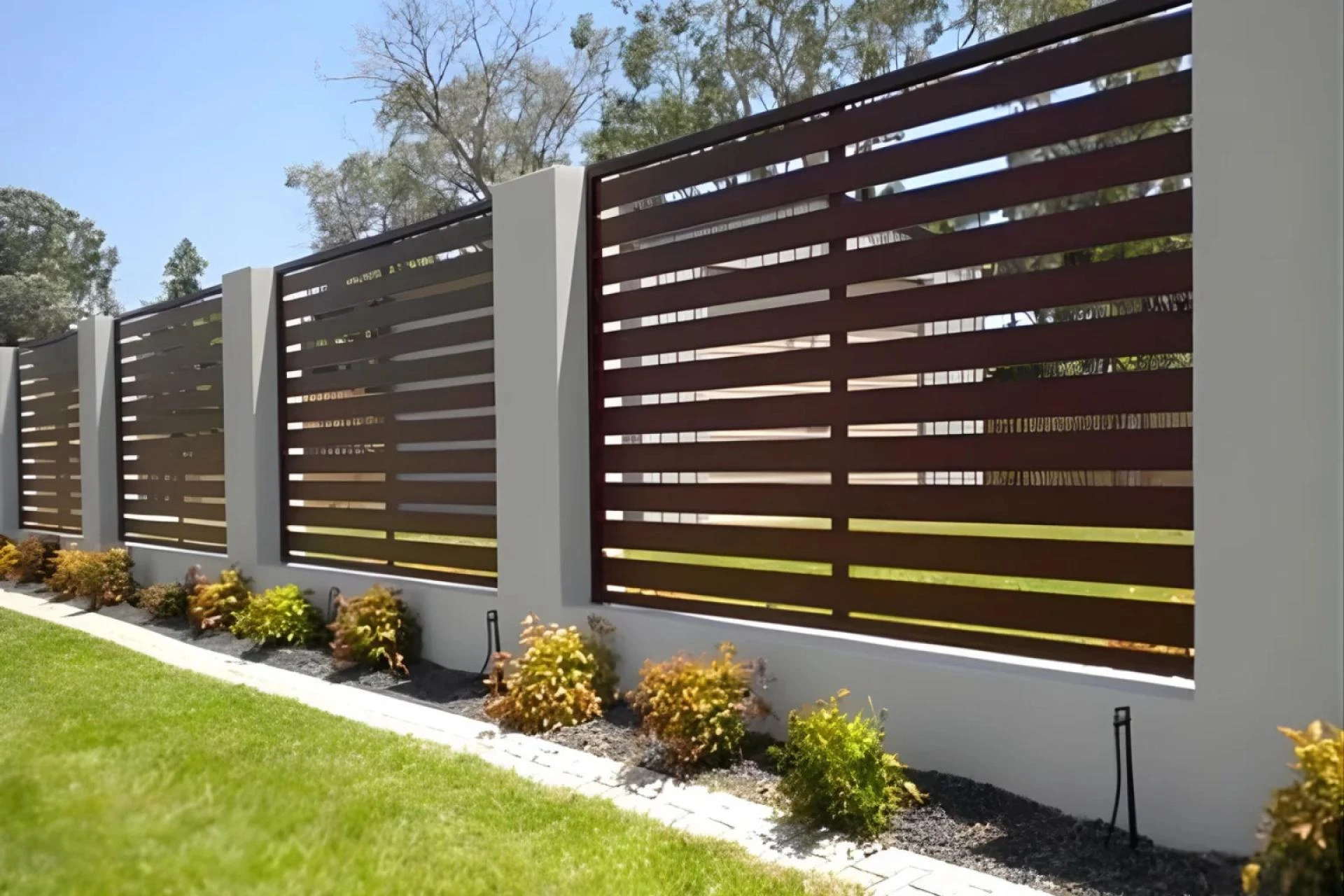
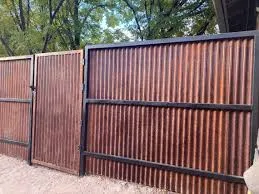
A slat top fence is basically a standard slat fence with an added section on top to increase height. The slats are spaced close together so you can’t see through them, and the top section gives extra privacy without making the fence feel heavy or boxed in.
These fences are common where neighbours are close, around patios, or along side boundaries where privacy matters more than decoration.
Before You Start Digging
The first thing to do is measure everything twice. Mark where the fence will run and where each post will sit. If this fence is on a boundary, it’s worth checking local rules on height so you don’t end up pulling it down later.
Also look at the ground. Hard soil, clay, or sand all behave differently once posts go in. That affects how deep you need to dig.
Tools and Materials
You don’t need fancy gear, just the basics:
- Tape measure
- Level
- Post hole digger or auger
- Drill
- Gloves and eye protection
For materials:
- Slat top panels
- Steel or aluminium posts
- Concrete
- Fixings suited for metal fencing
Installing the Fence
Setting the Fence Line
Run a string line between the start and end points. This sounds simple, but skipping it is how fences end up wavy. Every post should line up with that string.
Digging the Post Holes
Post holes need to be deep enough to support the added height. Shallow holes are one of the most common mistakes. If the fence is tall, the posts must go deeper. There’s no shortcut here.
Installing the Posts
Drop each post into the hole and check it with a level from more than one side. Once it’s straight, concrete it in and leave it alone. Don’t adjust it “a bit later”. Let the concrete set fully before moving on.
Adding Rails or Brackets
Once the posts are solid, fit the rails or brackets. Take your time lining these up. If the rails are crooked, the panels will be too, no matter how careful you are later.
Fitting the Slat Top Panels
Lift the panel into position and fix it off. Work panel by panel, checking level as you go. The slat top section should line up evenly across the fence. Small height differences stand out once everything is finished.
Final Check
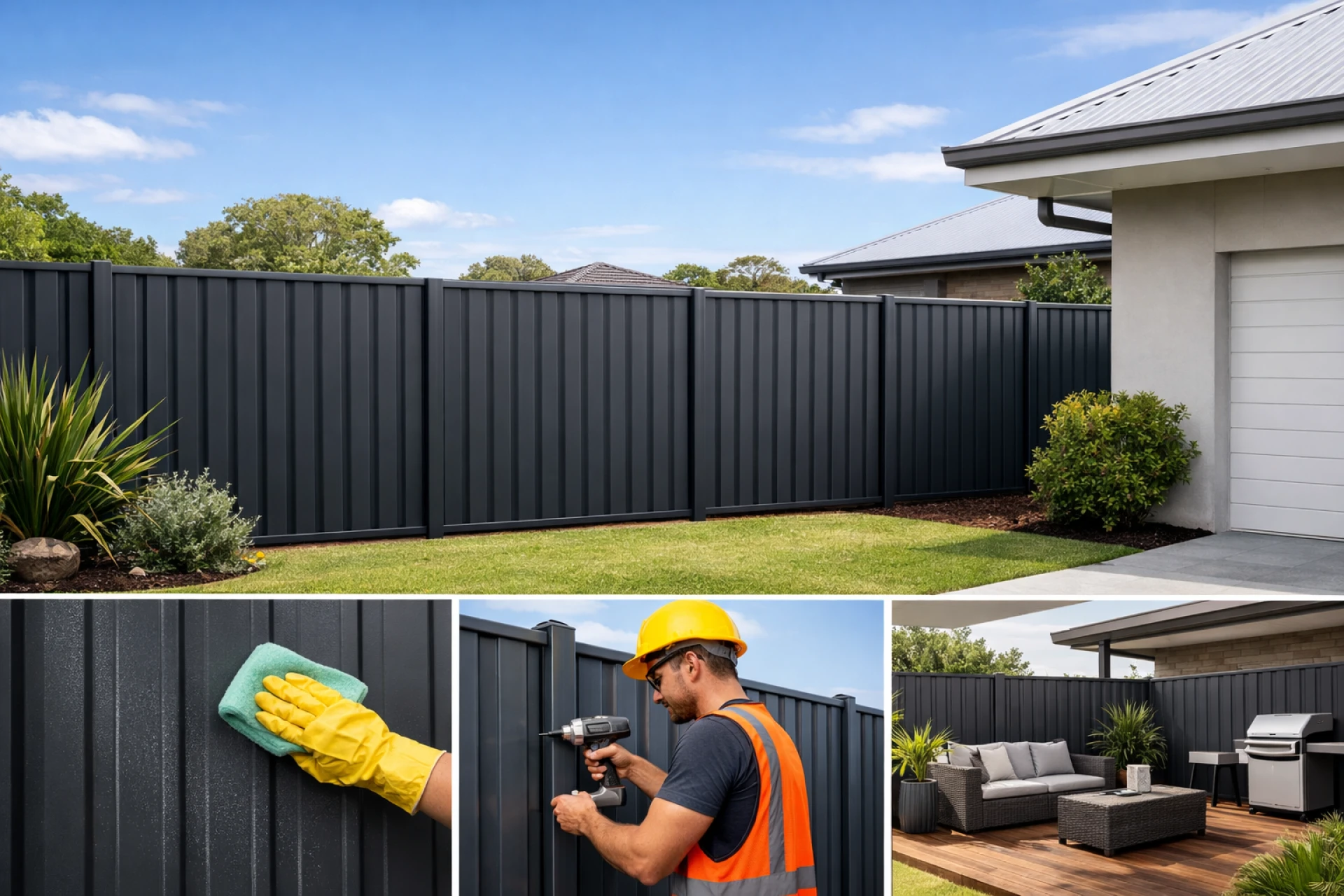
Walk the fence line. Tighten screws, clean off marks, and check that nothing feels loose. If something doesn’t look right now, it won’t magically improve later.
Common Problems to Avoid
- Posts not deep enough
- Rushing concrete curing
- Skipping level checks
- Using the wrong screws
Most fence issues come from these few mistakes.
DIY or Get Help?
If it’s a short run and you’re comfortable with tools, DIY is possible. But taller slat top fences catch wind, and mistakes show quickly. Many people choose professionals simply to avoid redoing the work.
Final Thoughts
A full privacy slat top fence looks simple once it’s done, but the strength is all in the setup. Straight posts, solid footings, and careful alignment matter far more than speed.


























Sign in to leave a comment.