

Summer is a great time to enjoy the outdoors, go on road trips, and have fun with your friends and family. However, summer also brings high temperatures, intense sun, and humidity, which can take a toll on your car.
If you want to avoid breakdowns, overheating and other problems that can ruin your summer plans, you need to take care of your car and keep it running smoothly during the hot season.
Here are some top tips on how to do that.
Check Your Air Conditioning
One of the most essential features of your car during summer is the air conditioning system. It keeps you cool and comfortable inside your car, especially when you are stuck in traffic or driving long distances. However, your air conditioning system can also malfunction or lose efficiency over time, especially if you don’t use it regularly or maintain it properly.
To ensure that your air conditioning system works well and cools your car effectively, you should check it before the summer starts and then regularly throughout the season. Here are some ways to do that:
Test your air conditioning system by turning it on and feeling the air coming out of the vents. If the air is warm or not cold enough, you may have a problem with the refrigerant level, which is the substance that cools the air. You can try adding more refrigerant to the system, but if that doesn’t work, you may need to take your car to a mechanic who can diagnose and fix the issue.
Check the air filters of your air conditioning system and replace them if they are dirty or clogged. Dirty filters can reduce the airflow and cooling efficiency of your system, as well as cause unpleasant odours and allergens inside your car. You can find the filters under the hood or behind the glove box of your car, depending on the model. You can either clean them with a vacuum cleaner or buy new ones from an auto parts store.
Check the fan of your air conditioning system and make sure it is free of dust, debris, or damage. The fan helps circulate the cool air inside your car and also prevents your engine from overheating. If the fan is dirty or broken, it can affect the performance of your system and cause overheating problems. You can clean the fan with a soft brush or a cloth, but if it is damaged, you may need to replace it.
Check Your Tyres
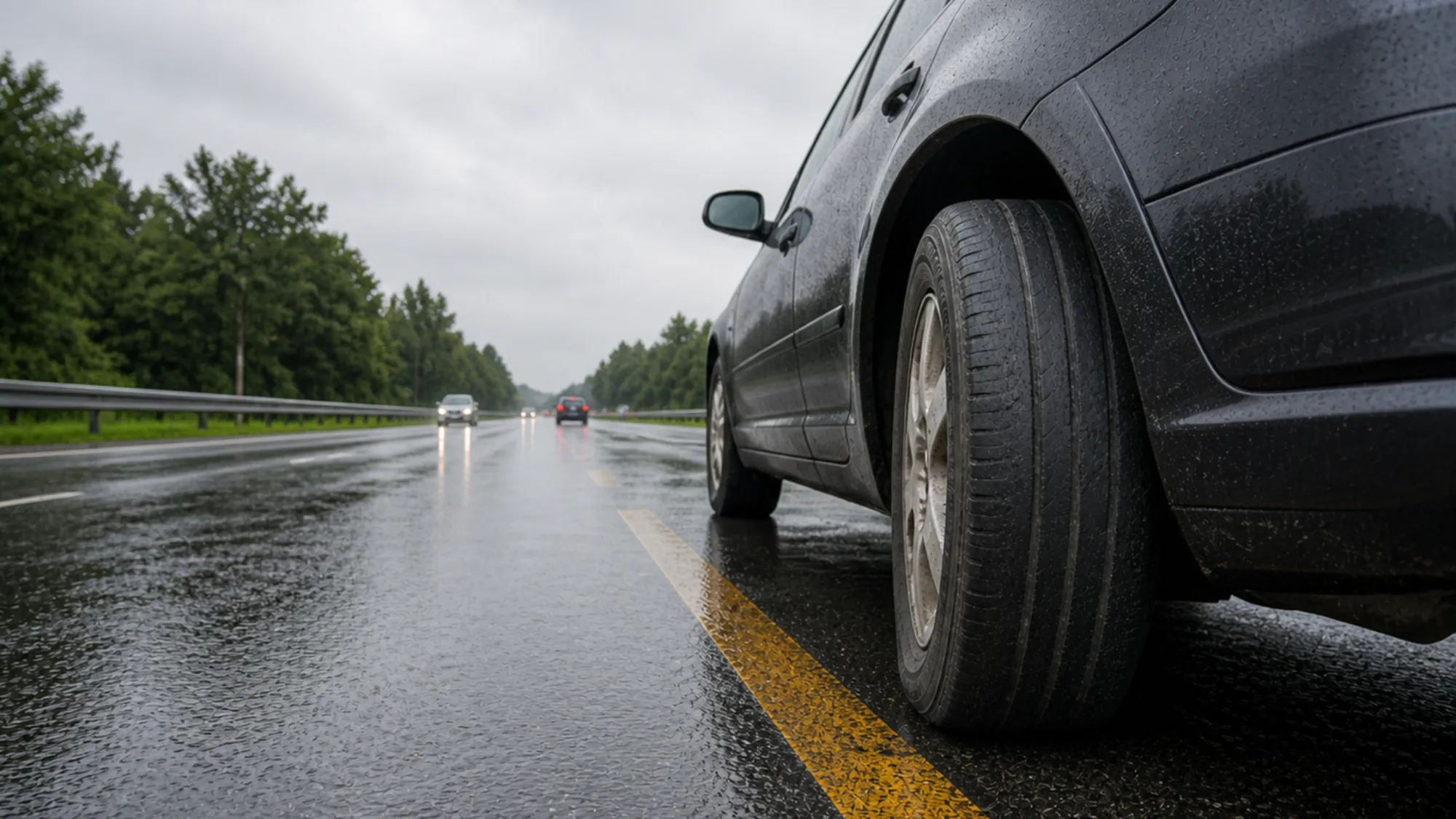
Your tyres are another important part of your car that need special attention during summer. They are the only point of contact between your car and the road, and their condition can affect your safety, fuel efficiency, and handling. During summer, the high temperatures can cause the air inside your tyres to expand, increasing the pressure and causing them to wear out faster or even burst.
To prevent tyre problems and ensure optimal driving conditions during summer, you should check your tyres regularly and maintain them properly.
Here are some ways to do this:
Check your tyre pressure at least once a month and before any long trip. You can use a tyre pressure gauge or a digital monitor to measure the pressure of each tyre and compare it with the recommended level for your car. You can find this information in your owner’s manual or on a sticker inside the driver’s door. If the pressure is too high or too low, you should adjust it accordingly by inflating or deflating your tyres at a petrol station or with a portable pump.
Check your tyre tread depth at least once a month and before any long trip. You can use a tread depth gauge or a coin to measure how much tread is left on each tyre and compare it with the legal minimum for your country. You can find this information in your owner’s manual or online. If the tread depth is below the minimum, you should replace your tyres as soon as possible, as worn tyres can reduce traction, increase braking distance, and cause skidding or hydroplaning.
Check your tyre alignment at least once a year and after any major impact or pothole. You can use a visual inspection or a professional service to check if your tyres are aligned properly and parallel to each other. If they are not aligned properly, they can cause uneven wear, steering problems, and reduced fuel efficiency. You should have your tyres aligned by a mechanic who can adjust them according to your car’s specifications.
Check Your Coolant Fluid
Your coolant fluid is another essential component of your car that helps keep your engine from overheating during summer. It circulates through your engine and radiator, absorbing heat from the engine and transferring it to the outside air. However, your coolant fluid can also lose its effectiveness over time, especially if you don’t change it regularly or top it up when needed.
To ensure that your coolant fluid works well and prevents your engine from overheating, you should check it before the summer starts and regularly throughout the season.
Here are some things you should do to make an effective check:
Check your coolant level by opening the hood of your car and locating the coolant reservoir. It is usually a transparent plastic container with a cap and indicator lines on the side. You should check the coolant level when the engine is cold and make sure it is between the minimum and maximum lines. If the level is too low, you should add more coolant to the reservoir until it reaches the appropriate level. You should use the same type and colour of coolant that is already in your system, or consult your owner’s manual or a mechanic for the best option for your car.
Check your coolant condition by opening the cap of the reservoir and looking at the colour and consistency of the fluid. It should be clear and bright, without any signs of rust, dirt, or debris. If the fluid is cloudy, dark, or sludgy, it means it is contaminated or degraded and needs to be replaced. You should flush out the old coolant from your system and refill it with fresh coolant according to your car’s specifications. You should do this at least once every two years or as recommended by your owner’s manual or a mechanic.
Check Your Oil And Filter
Your oil and filter are also important for keeping your engine running smoothly during summer. They lubricate and protect your engine from friction, wear, and tear, as well as remove dirt and impurities from the oil. However, your oil and filter can also deteriorate over time, especially if you drive frequently or in harsh conditions.
To ensure that your oil and filter work well and extend the life of your engine, you should check them before the summer starts and regularly throughout the season.
Here are some ways to do this:
Check your oil level by opening the hood of your car and locating the dipstick. It is usually a metal rod with a loop or a handle at one end and markings at the other end. You should check the oil level when the engine is cold and wipe off any excess oil from the dipstick with a clean cloth. Then, insert the dipstick back into its tube and pull it out again. You should look at the markings on the dipstick and make sure the oil level is between the minimum and maximum lines. If the level is too low, you should add more oil to your engine until it reaches the appropriate level. You should use the same type and grade of oil that is already in your engine, or consult your owner’s manual or a mechanic for the best option for your car.
Check your oil condition by looking at the colour and consistency of the oil on the dipstick. It should be amber or golden, without any signs of blackness, grittiness, or foaminess. If the oil is dark, dirty, or thick, it means it is contaminated or degraded and needs to be changed. You should change your oil and filter according to your car’s specifications, which can vary depending on your driving habits, mileage, and environment. You can find this information in your owner’s manual or online. You can either do it yourself or take your car to a mechanic who can do it for you.
Check Your Brakes
Your brakes are another vital part of your car that ensure your safety on the road during summer. They help you slow down, stop, and avoid collisions with other vehicles or obstacles. However, your brakes can also wear out over time, especially if you use them frequently or in harsh conditions.
To ensure that your brakes work well and prevent accidents during summer, you should check them before the summer starts and regularly throughout the season.
Here are some things you should do:
Check your brake pads by looking at them through the wheel spokes or removing the wheel if necessary. They are usually thin metal plates with a friction material attached to them that press against the brake rotors when you apply pressure to the brake pedal. You should look at how much friction material is left on each pad and compare it with a new pad or a wear indicator line if present. If there is less than 3 mm of friction material left on any pad, you should replace them as soon as possible, as worn pads can reduce braking performance, cause noise and damage other brake components.
Check your brake fluid by opening the hood of your car and locating the brake fluid reservoir. It is usually a transparent plastic container with a cap and indicator lines on the side. You should check the brake fluid level when the engine is cold and make sure it is between the minimum and maximum lines. If the level is too low, you should add more brake fluid to the reservoir until it reaches the appropriate level. You should use only DOT-approved brake fluid that matches your car’s specifications, which can be found in your owner’s manual or online.
Check your brake performance by driving your car on a safe and empty road or parking lot. You should test your brakes at different speeds and conditions, such as wet or dry surfaces, uphill or downhill slopes etc. You should look for any signs of problems, such as squeaking, grinding, pulsating, pulling, fading, or locking of the brakes. If you notice any of these symptoms, you should take your car to a mechanic who can inspect and repair your brakes as needed.
Other Tips
Apart from checking and maintaining these key components of your car, there are some other tips that can help you keep your car running smoothly during summer.
Here are a few of them:
Park your car in a shaded area or use a sunshade to protect it from direct sunlight and heat. This can prevent your car from overheating and fading its paint and interior.
Avoid leaving any items inside your car that can be damaged by heat or sunlight, such as electronics, food, drinks, cosmetics, etc. These items can melt, explode, or spoil inside your car and cause damage or unpleasant odours.
Keep yourself hydrated and cool while driving by drinking plenty of water and using your air conditioning or ventilation system. Avoid wearing dark or heavy clothing that can make you sweat more and cause dehydration or heatstroke.
Carry an emergency kit in your car that contains items such as water, snacks, sunscreen, first aid kit, flashlight, jumper cables, spare tyre, jack, and tools etc. These items can help you in case of a breakdown or an accident during summer.
Conclusion
Summer is a wonderful time to enjoy driving your car, but it also poses some challenges and risks for your car’s performance and condition.
By following these tips on how to keep your car running smoothly during summer, you can prevent problems, save money, and ensure a safe and comfortable driving experience for you and all your passengers!


























Sign in to leave a comment.