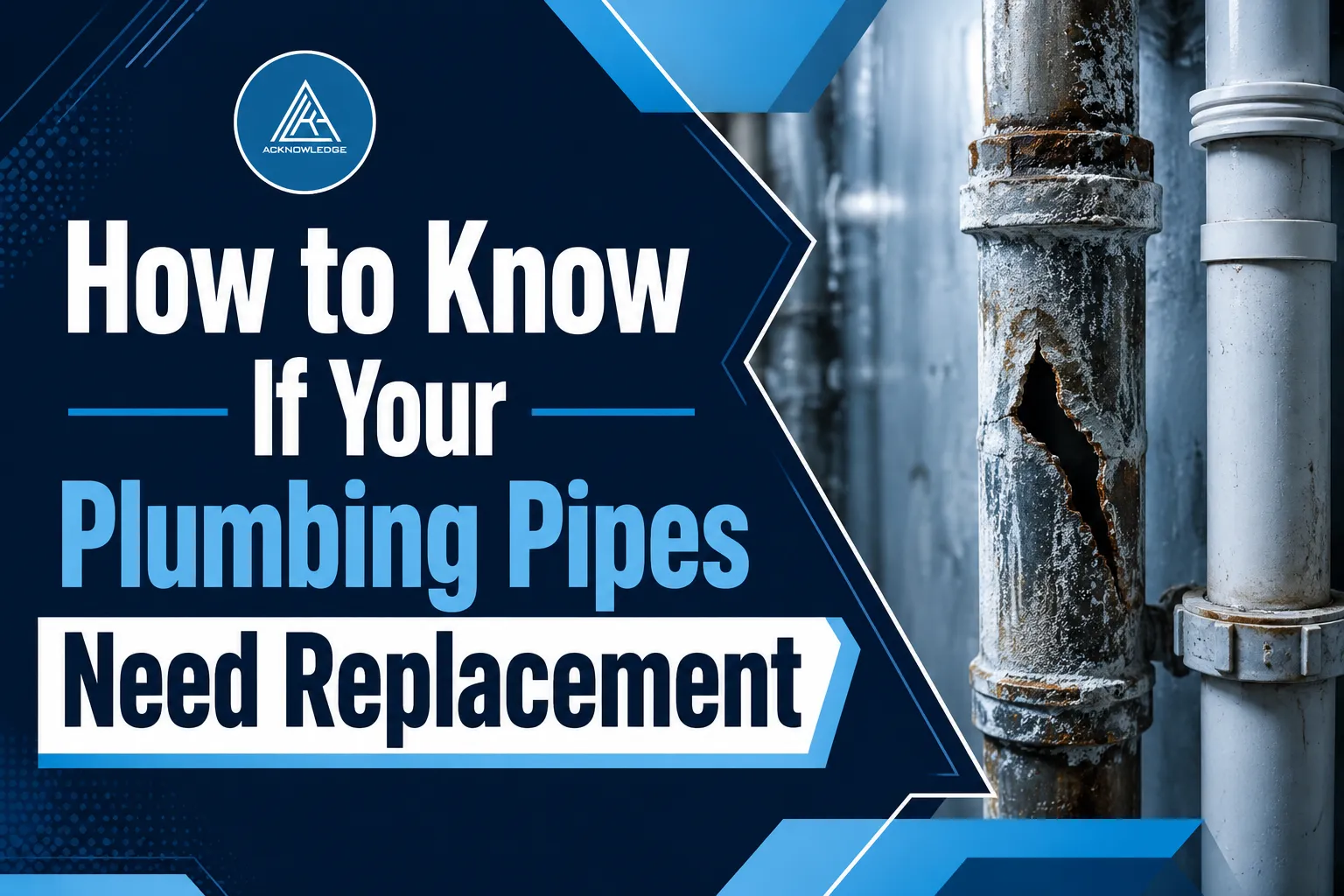

Your plumbing system works quietly behind the walls every day, so most homeowners don’t think about their pipes until something goes wrong. But ignoring early warning signs can lead to leaks, water damage, mold growth, and expensive repairs. If you’ve noticed strange plumbing issues lately, it may be time to inspect your pipes more closely.
Many homeowners contact a professional plumber in West Sacramento when recurring plumbing problems start affecting water pressure, water quality, or monthly utility bills. Catching pipe issues early can save you from major repairs later and help protect your home from serious damage.
Why Plumbing Pipes Wear Out Over Time
Like anything else in your home, plumbing pipes have a lifespan. Over the years, pipes can corrode, crack, weaken, or become clogged due to mineral buildup and everyday wear. The type of pipe material used in your home also affects how long your plumbing system lasts.
Older homes often contain galvanized steel or outdated copper pipes that are more vulnerable to corrosion and leaks. Even modern plumbing systems can eventually develop problems due to shifting soil, hard water, temperature changes, or poor installation.
Knowing the signs of failing pipes can help you act before a small issue turns into a plumbing emergency.
Common Signs Your Plumbing Pipes Need Replacement
1. Low Water Pressure
If your faucets or showerheads suddenly lose pressure, your pipes could be clogged or damaged internally. Corrosion and mineral buildup often reduce water flow over time, especially in older plumbing systems.
While a single clogged fixture may not be serious, low pressure throughout the house could indicate larger pipe problems that require professional attention.
2. Discolored Water
Brown, yellow, or rusty-looking water is often a sign of pipe corrosion. Rust inside old pipes can contaminate your water supply and affect water quality.
If discoloration appears regularly, especially when turning on cold water, your pipes may be deteriorating from the inside.
3. Frequent Leaks
An occasional leak can happen in any plumbing system, but repeated leaks are usually a warning sign of aging pipes. If you constantly repair leaking pipes, replacing sections of the system may be more cost-effective in the long run.
Leaks hidden behind walls or under floors can also cause mold growth and structural damage if left untreated.
4. Strange Noises in Pipes
Banging, rattling, or whistling sounds coming from your plumbing system may indicate pressure problems, loose pipe connections, or internal damage.
Noisy pipes should never be ignored because they can point to underlying issues that may worsen over time.
5. High Water Bills
A sudden increase in your water bill without increased usage often means there’s a hidden leak somewhere in the plumbing system. Underground leaks and slab leaks are especially difficult to notice without professional leak detection equipment.
Replacing damaged or aging pipes can improve efficiency and lower monthly utility costs.
Older Homes Often Need Pipe Replacement Sooner
It’s true that older homes often need pipe replacement sooner because aging materials naturally weaken over time. Homes built decades ago may still have outdated pipe materials that are more vulnerable to corrosion, cracking, and water pressure issues.
Galvanized steel pipes, for example, are known for rust buildup inside the pipe walls, while older copper pipes may develop pinhole leaks after years of wear. If your home is more than 40 years old and still has its original plumbing, it may be worth scheduling a professional inspection.
Modern repiping solutions like PEX piping offer better durability, flexibility, and resistance to corrosion compared to older materials.
Should You Repair or Replace Pipes?
Many homeowners wonder whether they should repair individual leaks or replace larger sections of their plumbing system. The answer usually depends on the age of the pipes and the extent of the damage.
Pipe Repair May Be Enough If:
- The damage is isolated to one section
- Pipes are still relatively new
- There are no signs of widespread corrosion
Water pressure remains normal
Pipe Replacement May Be Better If:
- Leaks happen repeatedly
- Pipes are heavily corroded
- Water quality continues to worsen
Plumbing repairs are becoming frequent and expensive
A professional plumber can inspect your system and recommend the best long-term solution for your home.
Benefits of Replacing Old Plumbing Pipes
Replacing old pipes may sound like a major project, but it comes with several long-term advantages.
Improved Water Pressure
New pipes allow water to flow more efficiently throughout your home.
Cleaner Water
Replacing corroded pipes helps improve water clarity and quality.
Reduced Leak Risk
Modern piping materials are more durable and resistant to cracking or corrosion.
Better Home Value
Updated plumbing systems can increase property value and appeal to future buyers.
Lower Repair Costs
Replacing failing pipes now can help you avoid expensive emergency plumbing repairs later.
How Professionals Detect Pipe Problems
Professional plumbers use advanced tools to inspect and diagnose plumbing issues accurately. Some common methods include:
- Video camera pipe inspections
- Leak detection equipment
- Water pressure testing
- Thermal imaging technology
- Moisture detection tools
These techniques help locate hidden damage without unnecessary demolition inside your home.
FAQs
How long do plumbing pipes usually last?
The lifespan depends on the pipe material. Copper pipes may last 50 years or more, while galvanized steel pipes often wear out sooner due to corrosion.
What are the first signs of failing pipes?
Low water pressure, rusty water, recurring leaks, and strange plumbing noises are common early warning signs.
Is repiping a home expensive?
Costs vary depending on home size and pipe materials, but replacing failing pipes early can save money on future water damage repairs.
Can old pipes affect water quality?
Yes. Corroded pipes can cause discoloration, unusual tastes, and reduced water cleanliness.
Should I replace all pipes at once?
Not always. A plumber can determine whether partial repairs or full repiping is the better option for your situation.
Conclusion
Your plumbing pipes play a major role in keeping your home safe, clean, and functional. Ignoring early warning signs like leaks, rusty water, or poor water pressure can lead to serious damage and costly repairs over time.
By recognizing the signs of aging pipes early, homeowners can avoid plumbing emergencies and make smarter repair decisions. Whether your home needs a small pipe repair or a full repiping upgrade, taking action now can protect your property and improve your plumbing system for years to come.






















Sign in to leave a comment.