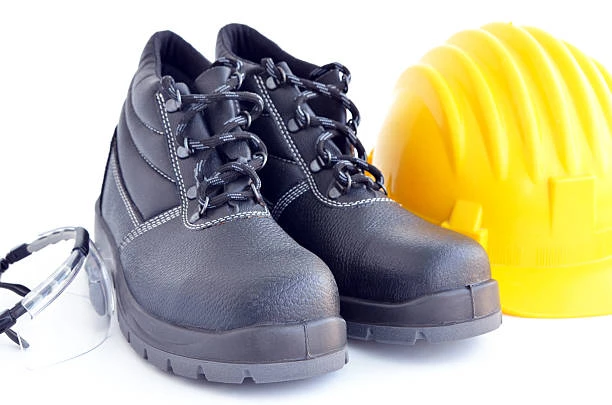
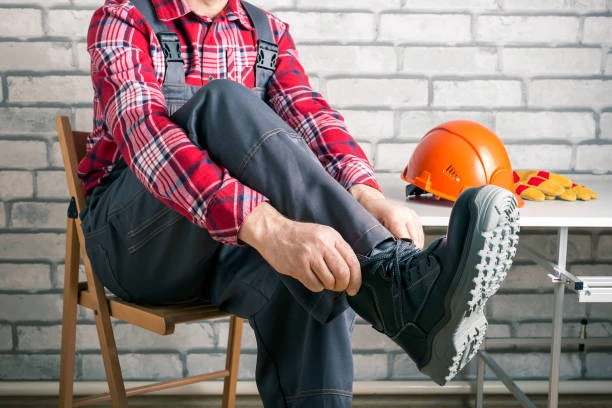
Construction boots are built to withstand tough conditions, but even the most durable boots won’t last if they’re neglected. Daily exposure to dust, mud, water, concrete, oils, and heavy impact takes a toll on footwear over time. With the right care and maintenance routine, however, you can significantly extend the life of your construction boots—saving money, improving comfort, and maintaining on-site safety.
Why Proper Boot Care Matters on Construction Sites
Construction boots do more than protect your feet—they support posture, reduce fatigue, and help prevent injuries. Worn-out boots can lead to:
- Reduced slip resistance
- Compromised toe protection
- Poor ankle support
- Foot pain and fatigue
- Increased risk of workplace injury
Regular maintenance keeps boots safe, comfortable, and compliant with worksite safety standards.
Step 1: Clean Your Boots After Every Shift
Construction environments expose boots to abrasive materials that break down leather, stitching, and soles.
Daily Cleaning Routine
- Knock boots together to remove loose dirt and debris
- Use a stiff brush to clean soles, stitching, and seams
- Wipe leather or synthetic uppers with a damp cloth
Removing contaminants like concrete dust and chemicals prevents long-term damage.
Step 2: Dry Boots the Right Way
Wet boots are a leading cause of premature wear.
Proper Drying Tips
- Remove insoles and laces (if applicable)
- Air dry boots at room temperature
- Stuff boots with newspaper or use moisture-absorbing inserts
- Never place boots near heaters, fires, or in direct sunlight
Excessive heat can crack leather, weaken adhesives, and distort safety toe caps.
Step 3: Condition and Protect the Leather
If your construction work boots are leather, conditioning is essential.
Leather Conditioning
- Apply a quality leather conditioner every 2–4 weeks
- Focus on flex points and high-wear areas
- Wipe off excess product after absorption
Conditioning prevents cracking, maintains flexibility, and improves durability.
Waterproofing
- Use a leather-safe waterproofing spray or cream
- Reapply after heavy rain or frequent washing
- Avoid heavy waxes unless boots are designed for it
Waterproofing reduces water absorption and protects against stains and chemicals.
Step 4: Rotate Your Boots
Wearing the same pair every day doesn’t allow boots to dry and recover.
Why Rotation Helps
- Reduces moisture buildup
- Prevents odour and bacterial growth
- Allows materials to decompress and recover
Ideally, rotate between two pairs of construction boots, especially for long or wet shifts.
Step 5: Inspect Boots Regularly
Early detection of wear prevents small issues from becoming costly problems.
What to Check
- Sole wear and loss of tread
- Loose or broken stitching
- Cracks in leather or synthetic uppers
- Damaged toe caps or heel counters
- Compressed or worn insoles
Addressing issues early improves comfort and extends boot life.
Step 6: Replace Insoles When Needed
Insoles absorb impact and moisture, wearing out faster than the boots themselves.
Insole Maintenance Tips
- Replace insoles every 3–6 months (or sooner for heavy use)
- Use moisture-wicking or orthotic insoles if needed
- Remove insoles daily to allow drying
Fresh insoles improve comfort and reduce stress on the boot structure.
Step 7: Use Boots for Their Intended Purpose
Not all construction boots are designed for the same tasks.
- Avoid using work boots for activities like gardening, mechanical work, or chemical handling unless they’re rated for it
- Use boots with appropriate safety ratings for your site
- Match boot materials to work conditions (e.g. waterproof boots for wet sites)
Using boots beyond their design limits shortens their lifespan.
Step 8: Store Boots Properly
Storage matters just as much as on-site care.
Best Storage Practices
- Store boots in a cool, dry, ventilated area
- Avoid leaving them in vehicles where heat builds up
- Use boot trees or stuff with paper to retain shape
- Keep boots away from chemicals and fuels
Proper storage prevents material breakdown and odour.
Step 9: Keep Soles Clean for Safety and Longevity
Built-up debris on soles reduces traction and accelerates wear.
- Scrape mud and concrete off soles daily
- Clean tread grooves to maintain grip
- Inspect for embedded nails or sharp objects
Clean soles improve both safety and durability.
Step 10: Repair Instead of Replace When Possible
High-quality construction boots can often be repaired.
Repair Options
- Resoling worn-out soles
- Restitching loose seams
- Replacing insoles or laces
Professional work boot repairs are often more cost-effective than replacement, especially for premium footwear.
Common Boot Care Mistakes to Avoid
Avoid these habits that shorten boot lifespan:
- Drying boots with direct heat
- Ignoring minor damage
- Skipping conditioning and waterproofing
- Wearing soaked boots without drying
- Never rotating footwear
Small mistakes compound over time, leading to premature failure.
When to Replace Construction Boots
Even with excellent care, boots eventually reach the end of their service life. Replace boots if:
- Safety toe protection is compromised
- Soles are smooth or separating
- Waterproof lining has failed
- Ankle support is no longer stable
Safety should always come first on construction sites.
Final Thoughts
Knowing how to make your construction boots last longer comes down to consistency. Regular cleaning, proper drying, leather care, inspection, and smart storage can easily add months—or even years—to the life of your boots.
Well-maintained boots don’t just save money; they provide better comfort, protection, and performance on the job. A small daily effort goes a long way toward keeping your construction boots reliable, safe, and ready for the toughest work environments.
Sign in to leave a comment.