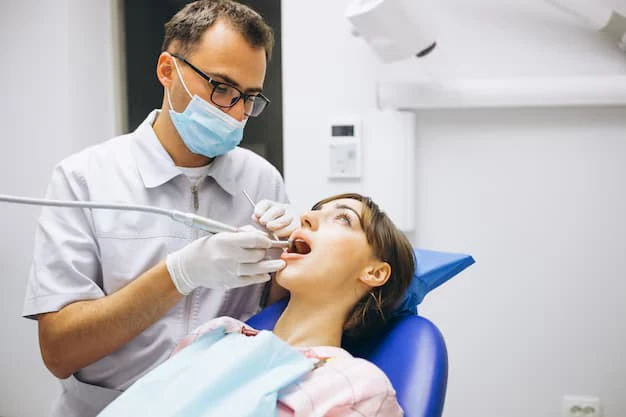

A bright, white smile has the power to boost confidence, enhance appearance, and make social interactions more enjoyable. For many people, a teeth whitening treatment is the simplest and most effective way to achieve this goal. However, while whitening treatments deliver impressive results, their longevity and effectiveness largely depend on how individuals care for their teeth afterward. By following the right practices and avoiding common mistakes, one can maximize the outcome and enjoy a brilliant smile for a longer period.
Understanding Teeth Whitening Treatment
What a Whitening Treatment Involves
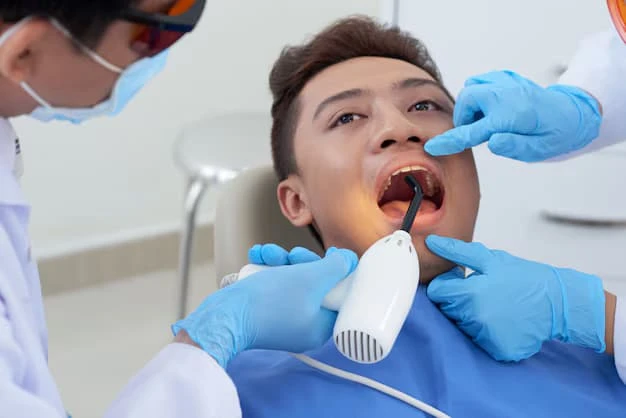
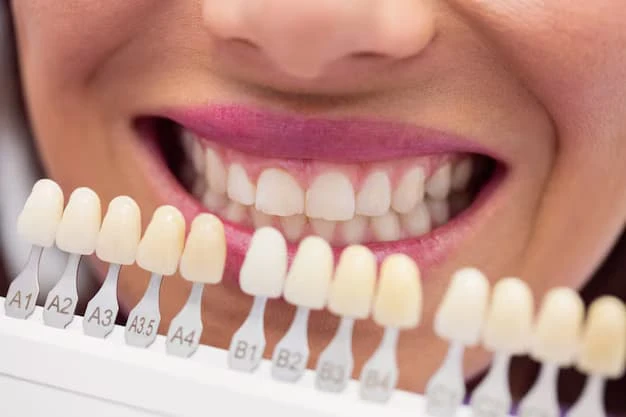
A teeth whitening treatment is designed to remove stains and discoloration from the surface of teeth. Professional methods often use bleaching agents or advanced technologies to lighten the enamel several shades. Unlike over-the-counter options, professional treatments are tailored to individual needs and tend to deliver quicker and more noticeable results.
Why People Choose Whitening Treatments
From job interviews to weddings, many individuals want a radiant smile for special occasions. Others choose whitening treatments simply to feel more confident in their daily lives. These treatments provide a fast and safe solution for anyone who wants to reduce stains caused by coffee, tea, smoking, or natural aging.
Preparing for a Teeth Whitening Treatment
Dental Health Assessment
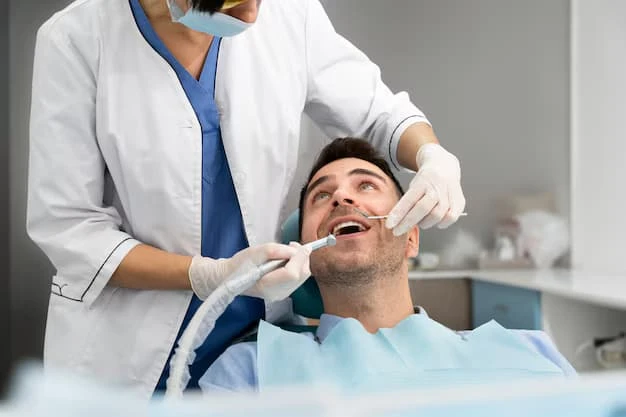
Before starting a whitening treatment, a dental professional typically evaluates oral health. This ensures there are no underlying issues such as cavities or gum disease that could interfere with the whitening process.
Professional Cleaning
Having a professional cleaning before whitening removes plaque and tartar. This allows the whitening agents to work more effectively and ensures more uniform results.
Setting Realistic Expectations
While whitening treatments can dramatically improve appearance, they may not create a “perfect” smile. Results vary depending on the natural shade of teeth, lifestyle habits, and the type of stains present.
Post-Treatment Care for Long-Lasting Results
Avoiding Stain-Causing Foods and Drinks
One of the most effective ways to maintain whitening results is to limit foods and drinks that stain teeth. Coffee, tea, red wine, and dark sauces are common culprits. When consuming these beverages, using a straw can help reduce contact with the teeth.
Practicing Excellent Oral Hygiene
Regular brushing and flossing are essential after a whitening treatment. Brushing twice daily with fluoride toothpaste and flossing once a day prevent the buildup of new stains and maintain oral health.
Staying Hydrated
Drinking water after meals and beverages helps wash away food particles and reduce staining. Water also promotes saliva production, which naturally protects teeth.
Lifestyle Habits That Support Whitening Results
Quitting Tobacco Products
Smoking and tobacco use are leading causes of tooth discoloration. Eliminating these habits not only prolongs the results of whitening but also benefits overall oral health.
Eating a Tooth-Friendly Diet
Crunchy fruits and vegetables like apples, carrots, and celery naturally scrub the teeth and reduce the risk of staining. Incorporating these into the diet supports long-lasting whitening results.
Using Whitening Toothpaste for Maintenance
Whitening toothpaste can help maintain brightness between professional treatments. These products are designed to gently polish the enamel and prevent surface stains from settling in.
Professional Touch-Ups and Follow-Ups
Scheduling Regular Dental Visits
Routine dental checkups are essential for maintaining oral health and monitoring the longevity of whitening results. A dentist can recommend when touch-ups are needed based on individual needs.
At-Home Whitening Kits for Maintenance
Some professionals provide at-home whitening kits for patients to use between office visits. These kits are effective in keeping the smile bright without the need for frequent in-office treatments.
Frequency of Treatments
How often someone needs a whitening treatment depends on their lifestyle and oral care routine. For most people, professional touch-ups once or twice a year are sufficient.
Managing Tooth Sensitivity After Whitening
Why Sensitivity Occurs
Some individuals experience temporary tooth sensitivity after whitening. This happens when whitening agents penetrate the enamel and affect the underlying dentin.
Reducing Sensitivity
Using desensitizing toothpaste, avoiding very hot or cold foods, and spacing out treatments can help manage discomfort. Dental professionals can also adjust the strength of the whitening agents for sensitive patients.
Who Benefits Most from a Teeth Whitening Treatment?
Adults with Stained or Discolored Teeth
People with stains caused by food, drinks, or lifestyle habits typically benefit the most from whitening treatments.
Those Preparing for Special Events
Individuals often schedule whitening sessions before weddings, reunions, or professional engagements where appearance is especially important.
People Seeking a Confidence Boost
Anyone who wants to feel more comfortable and self-assured with their smile can benefit from whitening treatments.
Common Myths About Teeth Whitening
Whitening Weakens Enamel
One misconception is that whitening damages teeth. Professional whitening treatments are safe when performed under guidance and do not weaken enamel.
Results Are Permanent
Whitening is not permanent, and lifestyle choices strongly influence how long results last. Maintenance and proper care are necessary to preserve brightness.
Over-the-Counter Products Work the Same
While store-bought products may lighten teeth slightly, they cannot match the effectiveness and customization of professional treatments.
Final Thoughts
A teeth whitening treatment is one of the simplest and most effective ways to enhance a smile. However, maximizing results requires more than just undergoing the procedure. With proper preparation, consistent oral care, mindful lifestyle habits, and regular professional follow-ups, individuals can maintain a radiant smile for years. A whiter smile does not only improve appearance but also brings renewed confidence and positivity into everyday interactions.




























Sign in to leave a comment.