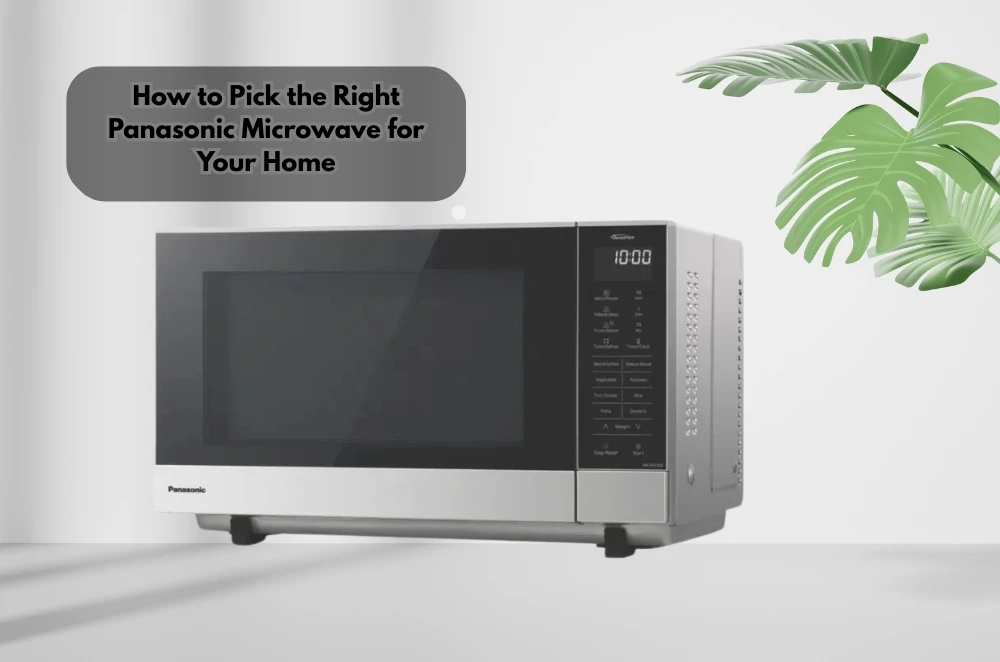

If you have ever found yourself standing in an appliance store, staring at a line of shiny new microwaves, you know the feeling of overwhelm. That was me not too long ago, running on little sleep and absolutely determined to get a microwave that would not disappoint. The choices stretched out in front of me, but I quickly realised the best way to start is by thinking about my own kitchen habits.
Right away, I focused on what matters most: finding an inverter microwave. Panasonic’s inverter models really caught my eye because they offer a more consistent cooking experience than traditional microwaves. The big win with inverter technology is that it allows for even power delivery, so you do not end up with those unpredictable hot and cold spots in your food. That is a game changer if you are always reheating leftovers, thawing frozen dinners, or even trying to steam veggies for a quick lunch.
Before getting lost in the fine print and marketing claims, I suggest asking yourself these questions:
- How big is your household? A single person will have different needs from a family of five.
- Do you just need to reheat food, or do you like to cook meals from scratch in your microwave?
- Is bench space a concern in your kitchen?
- Are you someone who loves to experiment with advanced settings, or do you mostly stick to the basics?
Answering these honestly will make your decision much easier and can save you hours of scrolling online.
Features that genuinely matter in a Panasonic microwave
Once you have a rough idea of your needs, start thinking about which features you will use. Panasonic microwaves are well known for their quality, but within their range, you will find some standout features that might not be as obvious at first glance.
One of my favourite features is the inverter technology, which, as mentioned, delivers steady power for more even cooking. There is nothing worse than biting into a meal and finding a frozen patch in the middle. With the inverter function, I have found that leftovers come out hot all the way through, and defrosting meat is much less of a hassle.
Some Panasonic models also come with a sensor cooking function. This setting takes the guesswork out of reheating or cooking foods by automatically adjusting the power and cooking time. I have used it to reheat soup, and it came out just right without any stirring or pausing.
If you have ever struggled to fit a large dish into a microwave with a turntable, you will appreciate the flatbed design in some Panasonic units. Without the turntable mechanism, there is more room inside, which is fantastic for family-sized meals or odd-shaped containers. Cleaning is easier, too.
Energy use and microwave safety in Australia
Energy efficiency is a bigger deal than ever these days, with power bills climbing steadily. An inverter microwave can use energy more efficiently than traditional models, which is good news for your budget. If you are in the habit of using your microwave for a lot more than just reheating, it is worth looking for an energy rating or comparing models for their electricity usage.
When it comes to safety, Australia has robust standards that all microwaves must meet. If you have ever worried about microwave safety, you are not alone. Years ago, I made the mistake of putting metal-trimmed plates into the microwave at a friend’s house. Sparks started flying, and we had to pull the plug quickly. Since then, I have always double-checked the safety guidelines.
Food Standards Australia New Zealand provides trustworthy information about microwave safety. Their page is worth bookmarking, especially if you have children or elderly family members at home. Some key tips to remember include:
- Never operate a microwave with a damaged door or seal
- Always use containers labelled microwave safe.
- Avoid superheating liquids by stirring regularly and using shorter heating times.
- Keep the microwave interior clean to prevent fires or odours.
Comparing Panasonic to other brands in the real world
You will see a lot of competing brands on the shelves, and it is tempting to just go for whichever one is cheapest or has the most bells and whistles. My own experience has taught me to look at reliability and user reviews more than just price.
The main reason I settled on a Panasonic was that I had used their microwaves in share houses and never had an issue with performance. Consistency counts for a lot, especially when you are cooking for others. I have also noticed that Panasonic microwaves tend to last longer than some of the cheaper brands I tried in the past.
If you're someone who likes to make informed decisions, there are some great resources available for a thorough comparison of microwave ovens. These external reviews can give you a better idea of how different brands stack up in terms of features, reliability, and value for money.
A few things to look for when comparing:
- Reliability and warranty length
- Types of features offered: Is inverter technology standard or only on premium models?
- Size and internal capacity compared to external footprint
- Customer support and after-sales service
Making the most of your new Panasonic microwave
Once your new microwave is home and ready to go, do not just use it for reheating last night’s curry. These machines can do a lot more. I recommend reading the manual, even if you normally skip that step. There are likely settings and shortcuts you never knew existed.
One thing I did was try out all the auto-cook programs in the first week, just to see how accurate they were. The sensor reheat feature saved me a lot of trial and error. I also found that cleaning the microwave regularly keeps it smelling fresh and ensures it runs at peak efficiency.
If you are keen on learning more, the best microwave features are a solid starting point for exploring what else you can do with your new appliance.
Final thoughts for a smart microwave purchase
Choosing a microwave is a bit like picking a car. The most expensive option is not always the best fit. Look for something that genuinely suits your lifestyle. If you cook a lot, spend the extra on inverter and sensor features. If you are mostly reheating, a simpler model might be the go.
Get hands-on if you can. Ask questions in the store and compare notes with friends and family. If you have the patience, check a couple of review blogs and see what real users have to say. Above all, trust your instincts and choose a microwave that feels right for your needs.
A Panasonic microwave with inverter technology can make your time in the kitchen easier and more enjoyable. Do a bit of homework, weigh up your options, and you will find a model that becomes an everyday essential.






























Sign in to leave a comment.