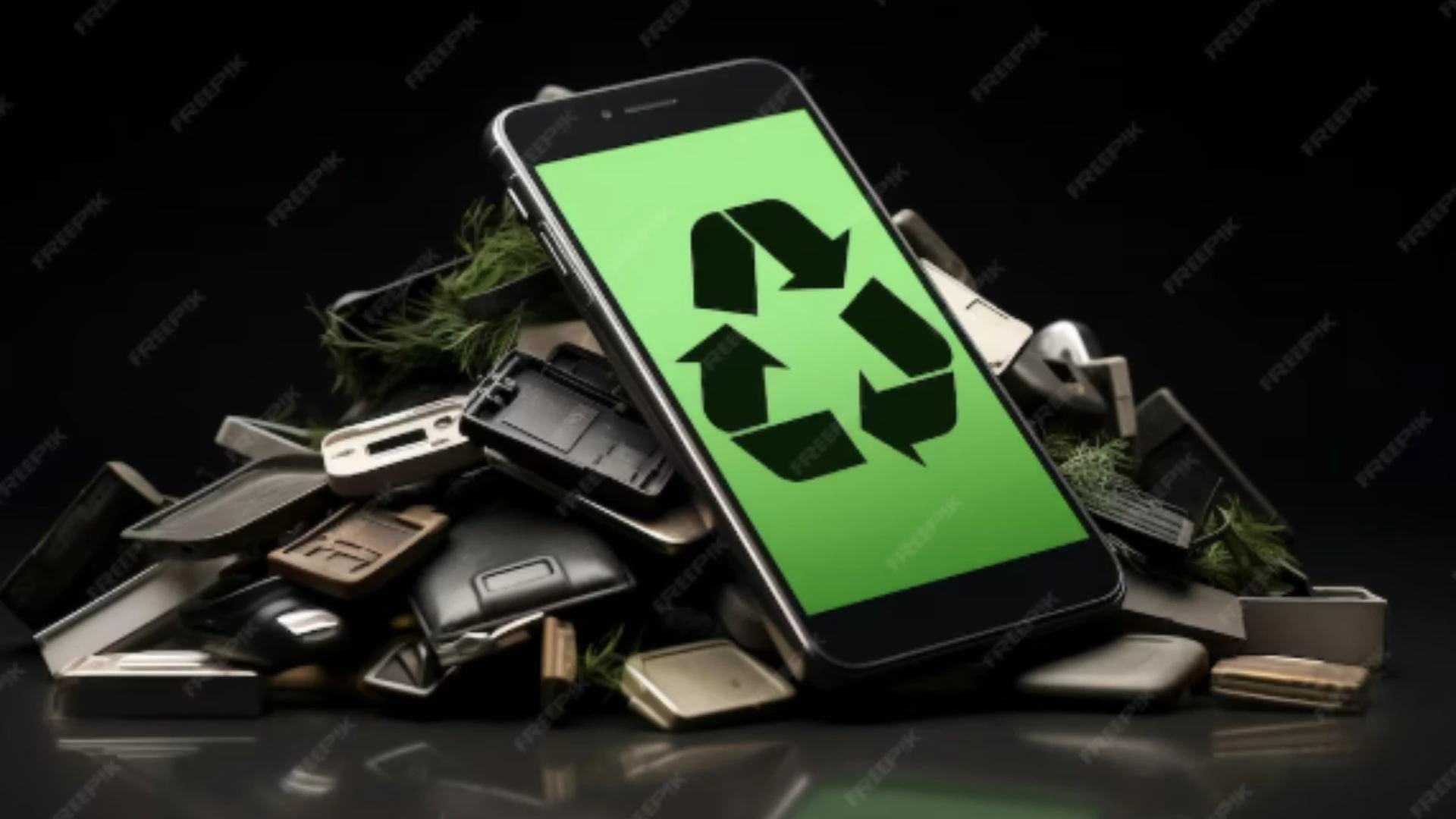

In today’s fast-paced world, technology evolves rapidly, and devices like smartphones quickly become outdated or damaged. Every year, millions of broken phones accumulate in households, offices, and landfills, posing a significant environmental challenge. By learning how to recycle broken phones responsibly, individuals can contribute to a healthier planet while preventing toxic materials from harming ecosystems. Recycling broken phones not only conserves valuable resources but also reduces electronic waste, which is one of the fastest-growing waste streams globally.
Key Takeaways
- Recycling broken phones prevents hazardous materials such as lead, mercury, and cadmium from polluting soil and water.
- Many components in phones, including gold, copper, and rare earth elements, can be recovered and reused.
- Donating or recycling phones through certified programs ensures proper handling and promotes sustainability.
- Following safe recycling practices protects personal data from being exposed.
Why Recycling Broken Phones Matters
Electronic waste, or e-waste, represents one of the largest environmental challenges today. A single smartphone contains toxic metals like lead, mercury, and brominated flame retardants that can leach into the environment if disposed of in landfills. These substances can contaminate soil and water, harming wildlife and human health. Recycling broken phones mitigates these risks while supporting a circular economy, where materials are reused rather than discarded.
Moreover, phones contain precious metals like gold, silver, and palladium. Extracting these metals from recycled devices reduces the need for mining, which is energy-intensive and environmentally damaging. By taking responsibility for the lifecycle of your electronic devices, you contribute to preserving natural resources and minimizing carbon footprints.
Preparing Your Phone for Recycling
Before sending a phone for recycling, it is crucial to take steps that protect your personal data and ensure that materials are properly handled. Here’s how to prepare:
1. Backup Your Data
Even broken phones may contain recoverable information. Ensure you back up photos, contacts, and important documents. Cloud services or external storage devices work well for this purpose.
2. Perform a Factory Reset
Erase all personal data to prevent unauthorized access. A factory reset removes apps, files, and sensitive information. If the phone is damaged beyond functionality, professional recycling services can safely extract and destroy the data.
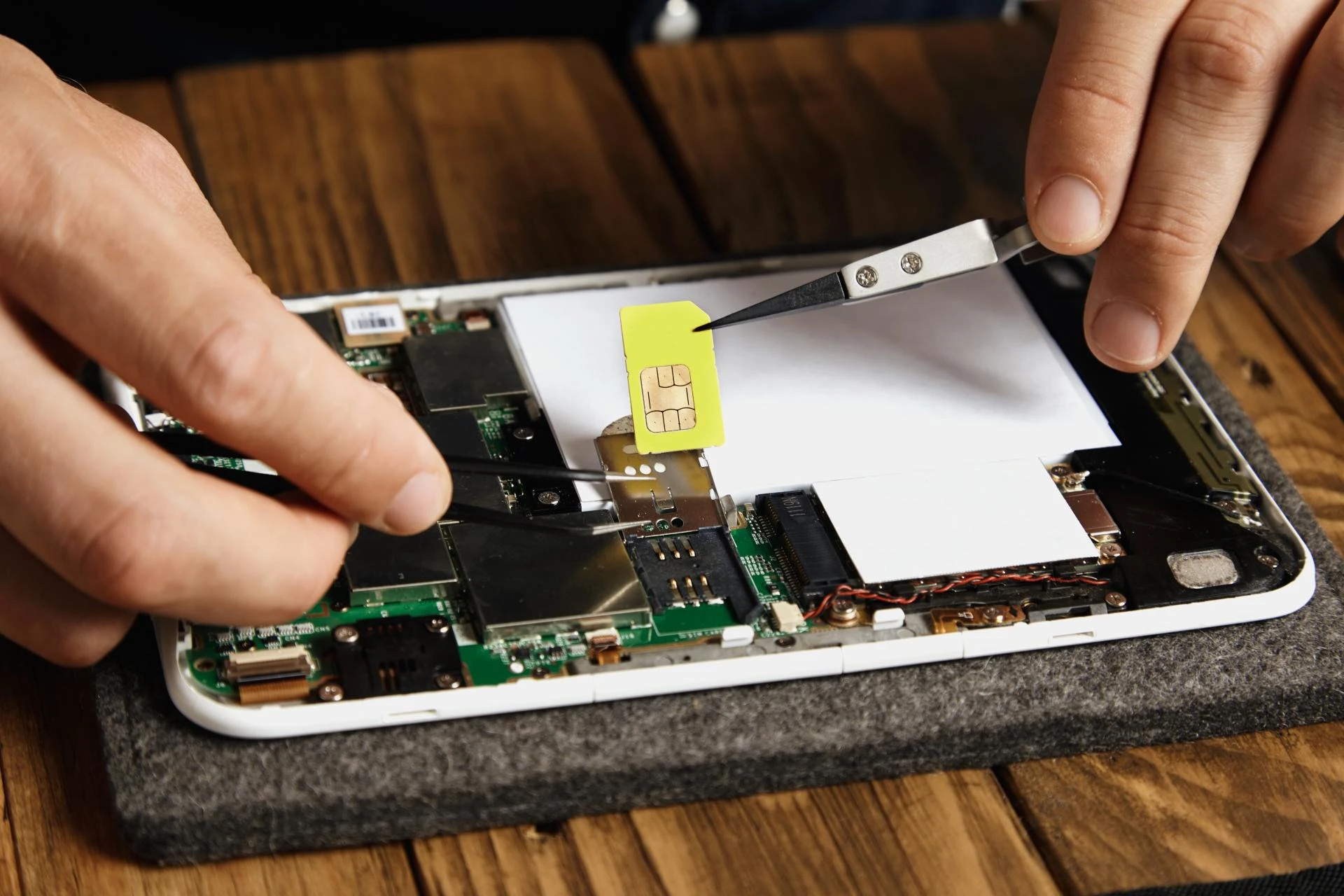
3. Remove SIM and Memory Cards
SIM cards store personal contacts and phone numbers, while memory cards may contain photos or videos. Remove these components before recycling.
4. Collect Accessories
Some recycling programs accept phone chargers, cases, and batteries. Gathering these items ensures they are disposed of responsibly and avoids environmental contamination.
Methods to Recycle Broken Phones
Recycling broken phones can take several forms, depending on convenience, environmental impact, and safety. Choosing the right method ensures that toxic substances are contained and valuable materials are recovered.
1. Manufacturer or Retailer Programs
Many phone manufacturers and electronics retailers offer recycling programs. They accept devices for safe disposal, often providing store credits or discounts for new purchases. These programs guarantee that phones are processed according to environmental regulations, preventing harmful substances from entering landfills.
2. Certified E-Waste Recycling Centers
Certified e-waste recyclers adhere to strict guidelines for processing electronics. They disassemble phones, extract reusable metals, and safely dispose of hazardous components. Look for certifications such as R2 (Responsible Recycling) or e-Stewards to ensure compliance with global environmental standards.
3. Donation or Trade-In
Some broken phones may still function partially or be repairable. Charitable organizations or tech refurbishers accept these devices for resale, donation, or reuse. This approach extends the device's life and reduces waste while providing affordable technology to those in need.
4. Specialized Battery Recycling
Phone batteries contain lithium-ion cells, which can be highly flammable if mishandled. Many recycling centers accept batteries separately to avoid safety risks. Never dispose of phone batteries in regular trash, as this can cause fires or environmental damage.
Environmental Benefits of Recycling Phones
Recycling broken phones has significant environmental advantages, ranging from resource conservation to pollution reduction.
Reducing Toxic Waste
Phones contain heavy metals that can contaminate soil and groundwater. Recycling ensures that these materials are removed safely, protecting ecosystems and human health.
Conserving Natural Resources
Reclaimed metals from phones reduce the need for mining new materials. Gold, silver, copper, and rare earth elements can be extracted and reused, lowering energy consumption and decreasing environmental degradation.
Lowering Carbon Footprint
Manufacturing a new smartphone requires substantial energy. Recycling materials reduces demand for new production, helping to minimize greenhouse gas emissions associated with mining, refining, and manufacturing.
Supporting Circular Economy
Recycling broken phones contributes to a circular economy model, where materials are continuously reused rather than wasted. This approach promotes sustainability while generating economic opportunities in the recycling sector.
Safe Practices When Recycling Phones
To maximize the benefits of recycling and avoid potential hazards, consider these safety practices:
- Check Certification: Only use certified recycling programs to ensure environmental compliance.
- Avoid Trash Disposal: Never throw phones in regular garbage. Hazardous components can leak into soil and water.
- Remove Personal Data: Protect your privacy with a complete factory reset and removal of SIM/memory cards.
- Separate Batteries: Recycle batteries at designated collection points to prevent fire hazards.
- Transport Securely: When delivering phones to recycling centers, package them safely to avoid damage or leaks.
Overcoming Common Challenges
Despite the benefits, some people hesitate to recycle broken phones due to perceived obstacles.
Concern About Data Security
Many individuals fear that personal data may be accessed by unauthorized parties. Using certified recyclers and performing factory resets ensures safe disposal and complete data destruction.
Lack of Convenient Options
In some areas, recycling facilities may be scarce. Many manufacturers now offer mail-in programs, allowing users to send devices safely without traveling to a center.
Low Awareness of Value
People often underestimate the environmental and economic value of their old phones. Educating communities about precious metals recovery and pollution reduction can motivate responsible recycling practices.
Choosing the Right Recycling Program
Selecting a responsible recycling program ensures maximum environmental benefit and data security. Key considerations include:
- Certification: Look for R2 or e-Stewards certifications.
- Transparency: Choose programs that provide clear details on how devices are processed.
- Convenience: Mail-in options or local drop-off points improve participation rates.
- Incentives: Some programs offer trade-in credit, donations to charity, or environmental impact reports.
Tips for Reducing Phone Waste in the Future
Recycling broken phones is vital, but prevention and mindful use also help reduce e-waste:
- Use Durable Cases: Protect devices from physical damage to extend lifespan.
- Avoid Frequent Upgrades: Keep phones longer to decrease overall waste.
- Repair When Possible: Replace screens, batteries, or other components instead of discarding the device.
- Support Sustainable Brands: Choose manufacturers that prioritize recyclable materials and responsible production methods.
How Technology Companies Can Help
Technology companies play a crucial role in reducing e-waste and encouraging responsible recycling:
- Implement take-back programs for old devices.
- Design phones with recyclable components.
- Provide clear instructions for safe disposal.
- Educate customers on environmental impacts.
When companies prioritize sustainability, users have a clear path to recycle broken phones and support environmental protection.
Making Recycling a Habit
Incorporating phone recycling into regular habits ensures long-term environmental benefits. Consider the following strategies:
- Schedule annual reviews of your devices and accessories.
- Encourage family and friends to participate in recycling programs.
- Keep a small collection box for phones and accessories until they can be properly recycled.
By normalizing phone recycling, communities can reduce the growing e-waste problem while recovering valuable materials for reuse.
Protecting the Planet, One Phone at a Time
Every broken phone recycled represents a small but meaningful step toward environmental sustainability. By following safe practices, using certified programs, and promoting awareness, individuals contribute to cleaner soil, safer water, and reduced greenhouse gas emissions. Whether donating a partially working phone, sending it to a certified recycler, or separating batteries for special disposal, every action counts.
Partner with Experts for Guidance
If you are unsure where to start or want tailored advice on recycling broken phones, consulting with professionals can make the process easier and more effective. Companies like Everything Mobile Limited provide expert guidance on responsible disposal, trade-ins, and maximizing environmental benefits. Taking the time to act responsibly ensures your devices do not harm the planet and that valuable materials are reused efficiently.
Frequently Asked Questions (FAQ)
Can broken phones still be recycled even if they don’t turn on?
Yes, most recycling programs accept phones regardless of functionality. Components and materials can still be recovered safely.
Is it safe to recycle phones with damaged batteries?
Yes, but batteries should be handled carefully. Many centers have specialized collection points for lithium-ion batteries to prevent fires or environmental damage.
Will my personal data be safe if I recycle my phone?
Performing a factory reset removes most personal data. Certified recycling programs often provide additional data destruction measures for extra security.
Can I recycle accessories along with my phone?
Many programs accept chargers, cables, and cases. Check with the recycling center for specific guidelines.
How do I find a certified recycler?
Look for R2 or e-Stewards certifications. Many manufacturers also provide mail-in options for safe recycling.






















Sign in to leave a comment.