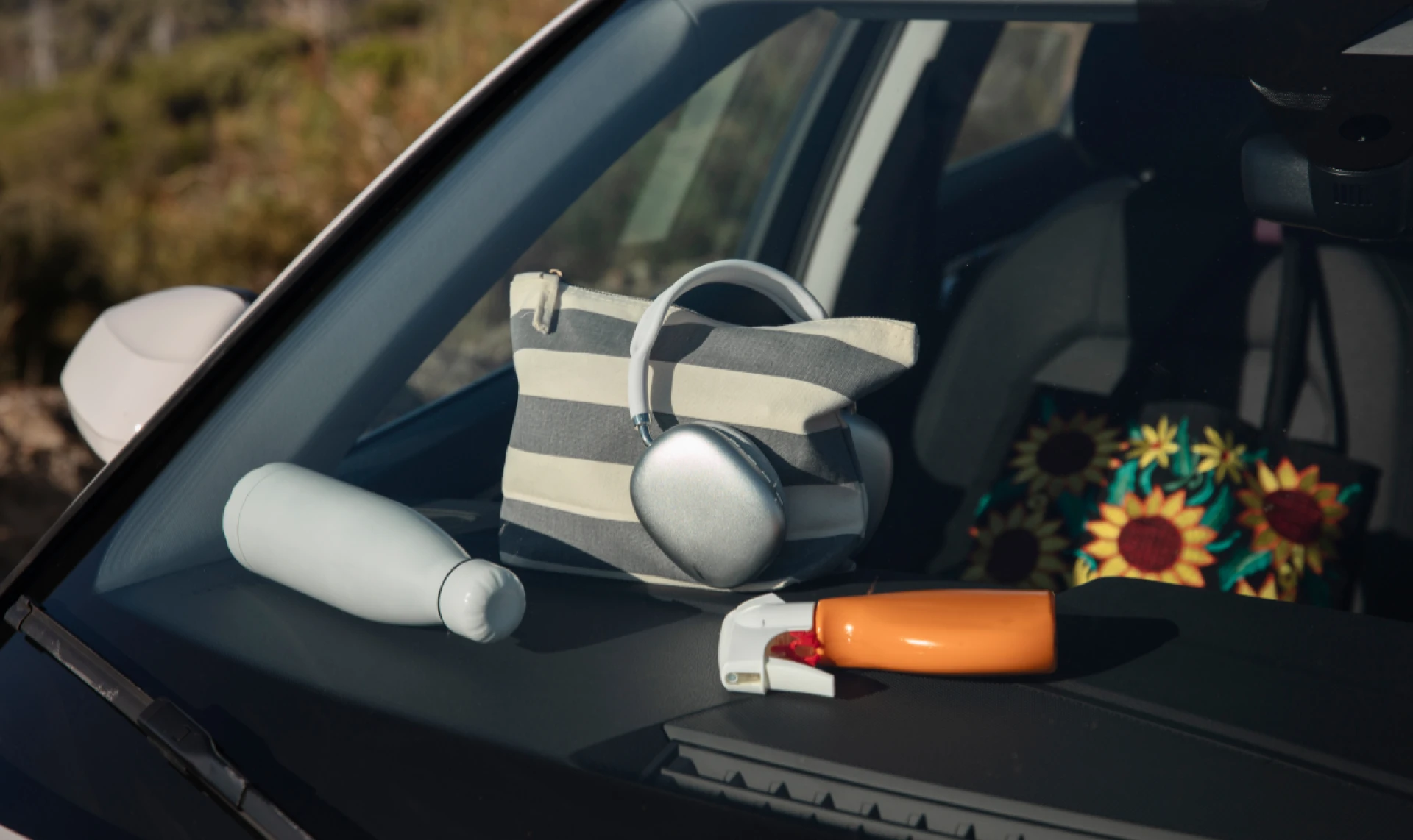

A clean car isn’t just about shiny paint or spotless seats. The real test is how it smells when you open the door. Nothing ruins a drive faster than a stale, musty, or smoky car interior. Odours build up over time from food, spills, moisture, pets, or simply neglect. The good news? You can get rid of them completely with the right approach. Let’s talk about how to remove bad odour from your car, quickly, effectively, and for good.
Understand Where the Smell Is Coming From
Before you try to mask a bad smell with air fresheners, find its source. Temporary fixes don’t work because the smell will return once the scent fades. The origins usually fall into a few categories:
- Organic spills , leftover food, drinks, or pet mess
- Moisture , leaks from AC vents, wet mats, or damp upholstery
- Smoke , from cigarettes or pollution buildup
- Bacteria and mold , often in hidden spots like under seats or in AC ducts
Start by doing a quick inspection. Check under seats, inside cup holders, floor mats, and even inside door pockets. Sticky residues, food wrappers, or pet hair are common culprits. Once you know the source, tackling it becomes a lot easier.
Deep Clean the Interior First
You can’t remove odour from a dirty car. It’s that simple. Start by clearing out all waste, old bottles, tissues, and anything lying around. Then move to deep cleaning. Here’s a straightforward plan:
- Vacuum everything. Use a strong vacuum with attachments to reach crevices, seat gaps, and under the mats. Crumbs, dust, and dirt all hold onto smell.
- Shampoo the upholstery and carpets. A fabric cleaner designed for cars works best. Mix it with warm water and scrub using a soft brush. If you have leather seats, use a leather-safe cleaner.
- Clean the vents. This is where hidden mould often grows. Use a vent cleaning brush or compressed air, then run the AC on high for a few minutes to clear it out.
- Wash the mats separately. Rubber mats can be washed and dried easily. For fabric mats, shampoo and let them dry under the sun till they’re completely dry.
This may take a couple of hours, but it’s worth it because cleaning removes the grime where odours cling.
Deal With Moisture and Mold
If your car smells damp, like wet socks or mildew, you probably have moisture trapped somewhere. Leaving it untreated can lead to mold, which is both smelly and unhealthy.
Start by checking underfloor mats and in the trunk for wet spots. Dry them with a towel and leave the windows open for ventilation. If seats or carpets got soaked, use a portable fan or hair dryer to speed up drying. You can even place small bowls of baking soda or activated charcoal in the car overnight, they absorb moisture naturally.
For a stronger fix, turn on the heat and the AC in defrost mode for a few minutes. It helps push out trapped humidity from the vent system. If the mildew smell keeps returning, you may need a mechanic to check for leaks from the AC drain or door seals.
Neutralize the Smell, Don’t Just Mask It
Here’s the thing, most people stop after cleaning and spraying air fresheners. The car smells good for a few hours, then it’s back. That’s because air fresheners only cover up the smell; they don’t neutralize it.
Instead, use these proven odour eliminators:
- Baking soda: sprinkle it lightly on carpets and seats. Let it sit for a few hours, then vacuum it up. It naturally lifts bad smells.
- White vinegar: mix equal parts with water and spray lightly on upholstery (test first to avoid staining). Vinegar kills bacteria that cause odours.
- Activated charcoal: place a few charcoal bags under the seats. They absorb smell continuously and last for months.
- Professional ozone treatment: if the smell is deeply embedded, especially smoke, an ozone generator at a detailing centre can break down odour particles permanently. This is often the best solution for smokers’ cars.
Don’t Forget the Air Conditioning System
The AC system is one of the most overlooked sources of car odour. When moisture stays in the vents, it creates a breeding ground for mould and bacteria, which release that sour scent when you turn it on.
To fix it, replace your cabin air filter regularly (every 10,000–15,000 km is ideal). Spray an AC disinfectant or vent cleaner directly into the air intake vents and let it circulate with the fan on high. Many drivers notice a major improvement just from this step alone.
If your car consistently gives off a sour smell when the AC starts, you may need a specialized AC system cleaning service, which uses an aerosol-based disinfectant that reaches deep into the ducts.
Tackle Smoke Odour the Right Way
Cigarette smoke is one of the hardest smells to remove because it seeps into everything, fabric, foam, even headliners. But it’s not impossible.
Start by wiping every hard surface with a mix of water, vinegar, and mild detergent. Clean the windows thoroughly since smoke residue often sticks to glass. Then shampoo the seats and carpets thoroughly, using an enzyme cleaner if possible. Finish off with activated charcoal bags and leave them for at least a week.
For heavy smokers’ cars, it’s worth investing in an ozone treatment or a full interior detailing. It’s a one-time cost that gives lasting results.
Use Preventive Habits to Keep the Car Smelling Fresh
Once your car smells clean again, keeping it that way takes just a few simple habits.
- Avoid eating or smoking inside the car.
- Shake off dirt or sand from shoes before getting in.
- Keep a small trash bin to manage waste properly.
- Air out your car once a week by driving with the windows open for 5–10 minutes.
- Use an air purifier designed for car interiors, these help trap dust and neutralize odours continuously.
A clean, odour-free car always ages better, both for your own comfort and resale value.
When to Seek Professional Help
If you’ve tried everything, cleaning, deodorizing, replacing filters, and the smell still lingers, it’s time to get professional detailing. Experts use steam cleaners, ozone machines, and specialized odour removers that reach deep into foam and hidden ducts. They also inspect for issues like water intrusion or insulation mould that aren’t visible on the surface.
This might sound like a luxury, but it can actually save time and frustration, especially if you plan to sell or trade your car soon.
The Bottom Line
A fresh-smelling car says a lot about how it’s maintained. Odours don’t just affect comfort; they reveal what’s happening inside your car’s materials and ventilation. Removing bad smells is less about fancy sprays and more about cleaning, drying, and neutralizing from the roots.
Once you go through this process, you’ll realize that keeping a car fresh isn’t complicated, it’s about building small, consistent habits that stop smell from settling in the first place. Start with a good clean today, and your next drive will actually smell as good as it looks.

























Sign in to leave a comment.