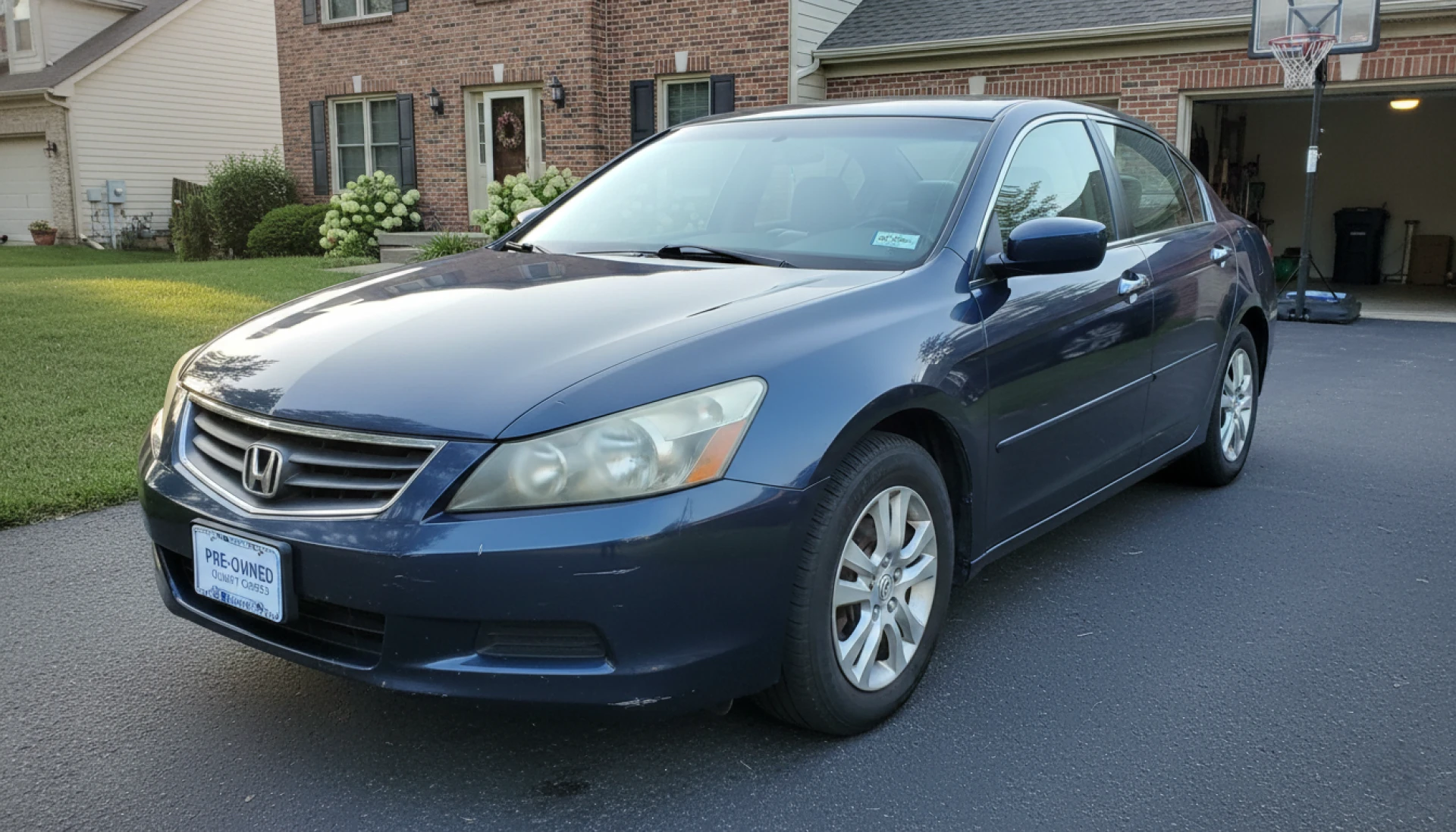

Certified Pre Owned cars sit in a strange middle ground. Not brand new, not just any used car either. They usually cost more than a regular used car, but claim to offer extra peace of mind through inspection, warranty, and added perks. So the real question is simple. Are they actually worth paying extra for, or is the premium just clever marketing?
Let us break it down.
What exactly is a Certified Pre Owned car
A Certified Pre Owned, or CPO, is a used car that has passed a structured inspection set by the manufacturer or an authorized dealer. Typically, it must meet conditions such as
- Age and mileage limits, often under five to six years and below a certain odometer reading
- A multi point mechanical and cosmetic inspection
- Any required repairs using approved parts
- A manufacturer backed warranty, often extending or complementing the original coverage
- Extras such as roadside assistance, sometimes complimentary maintenance and trip interruption support
In other words, it is a filtered subset of the used car pool. Not every car on the lot qualifies.
What buyers actually pay for with CPO
Here is the thing. The higher price is not only about a cleaner car. The premium usually bakes in three things.
- Warranty and coverage
- Most CPO programs include extended powertrain coverage, sometimes bumper to bumper style coverage for a set period or mileage. This means big repairs in the early ownership years, such as engine or gearbox failures, can be heavily subsidized, sometimes fully covered, instead of becoming sudden five figure repair bills.
- Inspection and reconditioning
- The dealership has already spent money on inspection and repairs. Worn tyres and brake pads may be replaced, software updated, recalls completed. The buyer pays for that upfront work in the premium.
- Perks and support
- Roadside assistance, sometimes free maintenance visits, and occasionally better financing rates than a typical used car loan are common. Several brands advertise lower interest rates or special finance offers on CPO stock.
So CPO pricing reflects both a car and a package surrounding that car.
How big is the premium in real terms
The twist is that the used market as a whole has changed. Used car prices have climbed sharply over the last few years, narrowing the price gap between new and used. Analysts in the United States report average prices for three year old used cars crossing thirty thousand dollars, with the gap to new cars shrinking.
Within that context, CPO cars add another layer of cost. Consumer advice platforms consistently point out that CPO vehicles are more expensive than equivalent non certified used cars, because the inspection, refurbishment, and extra warranty are priced in.
On the other hand, compared with brand new cars, CPO vehicles still tend to be substantially cheaper. Some dealer and market analyses show CPO vehicles often priced roughly a quarter to two fifths below new versions of the same model, depending on age and mileage.
So the premium sits in that middle band. Higher than a regular used car, clearly lower than new.
The upside that actually matters
CPO is not about bragging rights. It is about reducing risk. For many buyers, that is the whole point.
- Lower mechanical risk. The combination of inspection and warranty reduces the odds that the buyer will face a surprise major repair in the first years of ownership.
- Better age and mileage profile. CPO cars tend to be newer and lower mileage than the average used car in the market. That alone improves reliability odds.
- More predictable ownership costs. With roadside assistance, warranty coverage, and sometimes complimentary maintenance, it becomes easier to budget. Sudden breakdowns feel less threatening.
What this really means is that a CPO car can deliver a new car style confidence level, but at a used car price point. Not as cheap as the bargain end of the used market, but more relaxed to live with.
Where CPO value starts to fall apart
The premium is not always justified. It depends on the specific car, the specific program, and the buyer’s situation. Here are the main traps.
1. Weak or vague CPO programs
Not all certification schemes are equal. A manufacturer backed program with clear inspection standards, transparent warranty terms, and roadside assistance is one thing. A loosely defined in house dealer certification with minimal coverage is something else. The label Certified alone means very little without reading the warranty document, the inspection checklist, and the eligibility requirements.
2. Overpriced stock riding on the label
Sometimes dealers simply price an ordinary used car higher because certification sounds reassuring. If the difference between a CPO car and an identical non certified version on the same lot is very large, it might be cheaper to buy the regular used car and pay out of pocket for a high quality independent inspection and, if needed, an extended warranty from a reputable provider.
3. Buyers who already accept more risk
Experienced car enthusiasts, or buyers with access to trusted independent mechanics, may not need the extra safety net enough to justify the premium. A well researched, non certified used car with a clean history, good maintenance records, and a strong pre purchase inspection can be a smarter buy at the lower price point.
How to decide if the premium is worth it
For a rational decision, it helps to treat this as a simple cost versus risk trade.
- Compare actual prices, not just labels
- Look at the same model, similar year, similar mileage
- CPO price
- Non CPO dealer used price
- Private sale average price
The gap between CPO and non CPO is the true cost of the extra inspection, warranty, and perks.
- Quantify what the warranty is really worth
- Check coverage length, components included, and exclusions. A powertrain warranty that meaningfully extends coverage on a complex turbo engine or automatic gearbox can be worth several thousand in potential risk reduction. On a simpler, well proven model with strong reliability data, it may not be worth nearly as much.
- Look at reliability and parts cost for that model
- Some brands and models have strong reliability records and cheap parts. Others are known for pricey electronics or fragile gearboxes. For a riskier model, CPO coverage makes more sense. For a proven workhorse with low parts prices, the premium may be wasted.
- Factor in personal cash flow and risk tolerance
- A buyer with a tight monthly budget and no emergency fund is often better served by reducing the risk of a sudden big repair bill, even if it means paying a bit more upfront. A buyer with strong savings can afford to self insure and chase the lowest purchase price.
CPO in fast growing used car markets
In markets where used car volumes and prices are rising quickly, such as India and parts of Asia, organized and semi organized dealers are pushing certification schemes as a trust builder. Recent market studies show strong growth in organized used car channels and higher average selling prices over the past few years, partly linked to structured programs, warranties, and digital transparency tools.
For buyers in these markets, CPO style offers can be useful, because they offset information gaps, such as patchy service records or opaque ownership history. The same logic applies though. The label only has value if the underlying inspection and warranty are meaningful.
A simple rule of thumb
After all the nuance, most decisions about Certified Pre Owned cars can be distilled into a short test.
A CPO premium is more likely worth paying when
- The car is from a brand or model family with high repair costs
- The program is manufacturer backed, with a clear and strong warranty
- The price gap to similar non certified cars is moderate, not huge
- The buyer values predictability more than shaving every last bit off the purchase price
On the other hand, the premium is harder to justify when
- The CPO label comes from a dealer with weak or vague terms
- The price difference to non certified cars is very large
- The model has an excellent reliability track record and cheap parts
- The buyer has savings and easy access to trusted inspection and repair options
So, are Certified Pre Owned cars worth the premium
In many cases, yes, but not automatically. CPO cars are not a trick, they are a risk management product wrapped around a used car. For buyers who want better odds, cleaner histories, warranty support, and less uncertainty, paying extra for a strong, manufacturer backed CPO program can be entirely rational.
For buyers who are comfortable doing homework, arranging independent inspections, and absorbing the risk of unexpected repairs, a well chosen non certified used car can deliver more value.
The smart move is not to fall for the label alone. Treat Certified Pre Owned as one option on the table. Put real numbers next to the benefits, read the fine print, and let the math, the risk profile, and the specific car decide whether the premium earns its place.





























Sign in to leave a comment.