

Modern shoppers have been conditioned by Amazon, Netflix, and Spotify to expect hyper-relevance as a baseline.
Curated recommendations that feel personal and timely aren't a perk anymore, they're the standard. That standard disappears the moment a shopper opens their local grocery store's app.
The problem isn't a lack of data. Grocery retailers are swimming in it. The problem is fragmentation.
POS transactions, loyalty activity, and digital app usage sit in isolated databases, preventing a customer data platform from synthesizing behavioral signals into a cohesive strategy. When data stays siloed, grocers lose visibility into the complete shopper journey, and lose the ability to deliver the seamless experience today's consumers expect.
Forward-thinking grocers are solving this by shifting from mass-marketing tactics to a unified customer data platform. Centralizing every touchpoint, from in-store basket composition to real-time digital browsing, creates a single source of truth for the modern merchant.
For any digital experience platform for grocery, this is the foundation for moving beyond surface-level personalization. Instead of first-name email templates, a CDP automates relevance: matching promotional spend to actual intent and household needs, and maximizing efficiency across online grocery fulfillment and in-store sales alike.
The most underappreciated value a customer data platform delivers is protection against "invisible defection." High-value grocery shoppers rarely leave abruptly, they drift. They shift a category here, skip a trip there, until a competitor has quietly become their primary store. Legacy systems don't catch this until the habit is already formed. By unifying your grocery customer data, you gain the predictive foresight to spot declining trip frequencies and shifting preferences in real time, and intervene before the customer is gone.
What a Customer Data Platform Achieves That Legacy CRMs Can’t
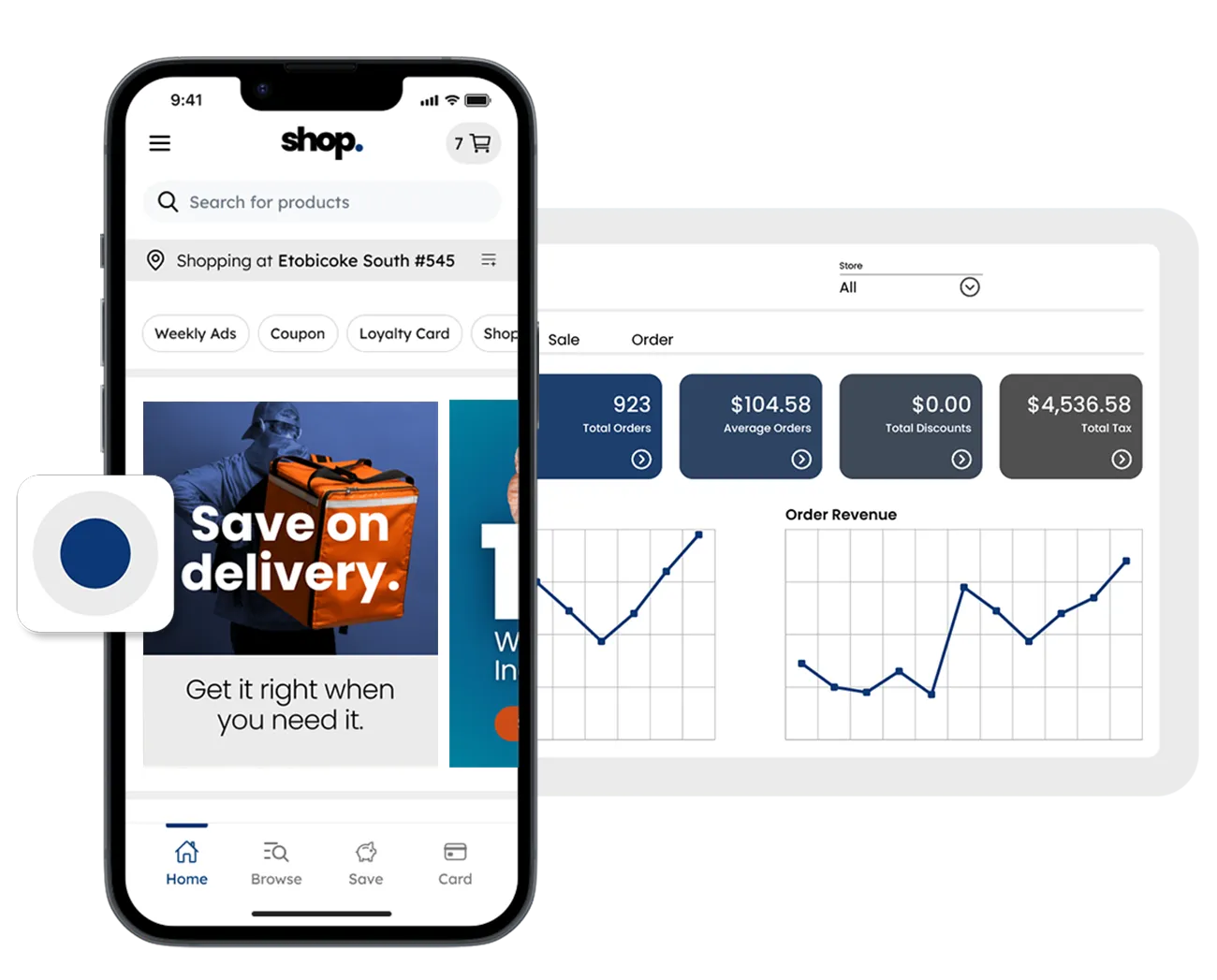
Most regional grocers rely on a CRM to manage their shopper relationships. These systems were built to store static contact information and historical sales records. A customer data platform handles the high-velocity data flows that a traditional CRM cannot process.
Why CRMs Fail to Capture Real-Time Signals
A CRM acts as a ledger for past events rather than a monitor for present actions. It excels at storing a customer's email address or their total spend from last year. It often fails to ingest the thousands of digital "micro-moments" occurring every second on a mobile app. Without a customer data platform, these signals disappear before they can be used for marketing.
Inability to process unstructured behavioral data
Legacy CRMs require data to be neatly organized into fixed fields before storage. They struggle with raw behavioral signals like scrolls, clicks, or time spent viewing a specific recipe. A customer data platform is designed to ingest this unstructured grocery customer data without delay.
Latency in data synchronization
CRMs often update through batch processing at the end of the day or week. This delay means a shopper might receive an email for an item they already bought hours ago. A CDP operates in real-time. It ensures that your digital experience platform for grocery reflects the shopper’s most recent interaction immediately.
A CRM often creates duplicate entries if a shopper uses a different email for the app and the loyalty card. It cannot easily "stitch" these identities together. A customer data platform uses advanced matching to ensure every piece of data attaches to a single, unified profile.
Creating a Single Source of Truth
The goal of a customer data platform is to break down the walls between disconnected databases. It pulls information from the POS, the e-commerce storefront, and the loyalty database into one place, to create a complete view of the customer journey. This unified view is the foundation for efficient online grocery fulfillment and personalized service.
Connecting physical and digital transactions
The platform links a shopper’s in-store basket history with their online browsing habits. This reveals if a customer is a "hybrid" shopper who researches online but buys in person. Understanding this balance helps grocers allocate their promotional resources more effectively.
Behavioral intent integration
By tracking digital activity, the platform adds "intent" to the "action" recorded at the checkout. It knows that a shopper looked at gluten-free flour before buying a regular loaf of bread. This insight allows the grocer to offer a relevant alternative next time to secure the sale.
Operational accuracy for fulfillment
A unified profile helps the staff managing online grocery fulfillment make better decisions. If a preferred brand is out of stock, the system knows the shopper's second-choice brand based on years of grocery customer data. This reduces order friction and keeps the customer satisfied even when supply chain issues occur.
Once the data is unified, the CDP pushes these segments to your advertising and email tools. There is no need for manual data exports or messy spreadsheets. The "Single Source of Truth" ensures that every marketing channel is speaking the same language to the customer.
How Connected Data Predicts the Next Grocery Basket

Historical records only explain past actions. They show what a customer bought, but they do not reveal what that customer is planning to buy tomorrow. A customer data platform shifts from reactive analysis to proactive prediction. It captures digital footprints in real-time to anticipate household needs. This allows grocers to intervene with a relevant offer before the shopper looks elsewhere.
Capturing Pre-Purchase Signals
Digital interactions provide a window into the shopper's mind long before they reach the checkout. These signals are often generated days before a transaction occurs. Most legacy retail systems ignore these "micro-moments" because they cannot link them to a specific person. A customer data platform records these actions to build a predictive intent profile for every user.
Recipe browsing and meal planning
When a shopper views a specific recipe in your app, they are signaling their intent to purchase those ingredients soon. Capturing this grocery customer data allows the system to suggest complementary items or offer a discount on the main protein for that meal.
Shopping list construction
Building a digital list is a direct declaration of what a customer plans to buy during their next trip. The platform monitors these additions to identify shifting preferences or brand loyalty in real-time.
Abandoned cart analysis
Items left in a digital cart are strong indicators of interest that were interrupted by price or distraction. A customer data platform triggers a timely reminder or a small incentive to move that intent toward a completed sale.
By gathering these pre-purchase signals, grocers can offer a higher level of service that mimics a personal shopper. This proactive approach ensures the retailer remains the primary choice for the upcoming shopping trip.
Optimizing Online Grocery Fulfillment through Prediction
Predicting the next basket is a vital operational tool for managing the logistics of a grocery business. Efficient online grocery fulfillment requires an accurate understanding of what will be in demand and when. A customer data platform helps the fulfillment team stay ahead of the curve by predicting order volume and composition.
Demand forecasting at the local level
The platform aggregates individual intent signals to forecast which product categories will surge in specific neighborhoods. This allows managers to adjust inventory levels and staffing before the orders even arrive.
Stock availability for high-intent items
If the data shows a spike in people adding a specific seasonal item to their lists, the system alerts the supply chain team. Proactive restocking prevents the out-of-stock messages that drive customers to competitors during online grocery fulfillment sessions.
Optimized picking and packing
Predictive profiles help fulfillment centers organize the most likely combinations of products for faster picking. When a customer data platform identifies common household restock cycles, the warehouse can prepare for those "pantry load" orders in advance.
Reducing substitution friction
When a preferred item is unavailable, the system uses historical grocery customer data to select the most acceptable substitute for that specific person, reducing the number of rejected items. Reducing friction helps improve the overall satisfaction of the digital shopping experience.
Using data to predict the basket creates a more resilient operation. It aligns the digital storefront with the physical realities of the warehouse. Grocers who master this alignment protect their margins by reducing waste and improving labor efficiency.
The Financial Impact: Reducing Price Sensitivity Through Algorithmic Personalization
Competing on price alone creates a race to the bottom that regional grocers cannot win. When every promotional effort relies on deep discounts, it erodes the perceived value of the products. A customer data platform provides a different path by shifting the focus from cost to relevance. This strategy protects the bottom line while maintaining a competitive edge in a crowded market.
Avoiding the Trap
Generic discounting creates a cycle of dependency among shoppers. When a retailer sends the same mass coupons every week, they train their customers to wait for sales rather than buy at regular prices. This commoditizes the relationship and forces the grocer to sacrifice margin to maintain volume. A customer data platform identifies which customers require an incentive and which value convenience more.
Preventing price-driven habituation
Mass marketing teaches shoppers that all grocers are interchangeable based on the lowest price of the week. By using grocery customer data, retailers can stop rewarding customers who were already planning to purchase at full price.
Targeting value-conscious segments
The platform isolates the specific group of price-sensitive shoppers for deeper discounts without offering those same margins to the entire database. This preserves the regular shelf price for the majority of the customer base.
Shifting to non-monetary value
Personalization offers value through time savings and ease of use within the digital experience platform for grocery. A shopper who finds their entire list pre-populated with their favorite brands is less likely to switch stores for a few cents in savings.
Reducing coupon fraud and waste
Generic circulars often get ignored or used by "cherry pickers" who only shop the losses. A customer data platform ensures that high-value offers are only visible to the individuals who contribute to long-term growth.
Breaking the reliance on broad discounts is the first step toward a sustainable financial model. It allows the retailer to reclaim control over their pricing strategy. Grocers can then invest those saved margins back into better service and faster online grocery fulfillment.
Protecting Margins Against Mass Retailers
National giants like Walmart and Amazon use vast amounts of data to dominate in price and logistics. Regional grocers cannot match their scale, but they can outmaneuver them on local relevance. A customer data platform allows smaller chains to act with the same level of digital sophistication as their largest competitors. This creates a specialized shopping experience that mass retailers often struggle to replicate at a local level.
Relevance as a differentiator
A customer who receives a replenishment reminder for their specific preferred coffee brand feels seen and valued. This level of curated grocery customer data application builds a wall of loyalty that price-cutting competitors find hard to penetrate.
Strategic promotional allocation
Instead of competing with Amazon on every single SKU, grocers use a customer data platform to win on the specific categories that matter most to their local shoppers. They spend their marketing dollars where they have the highest chance of winning the basket.
Improving fulfillment efficiency
Margin protection also comes from reducing the cost of service. A digital experience platform for grocery that accurately predicts orders allows for more efficient online grocery fulfillment through better labor scheduling and reduced waste.
Data-driven inventory decisions
The platform reveals which niche local products drive the highest loyalty among top-tier shoppers. Grocers can stock these items to provide a unique assortment that generic mass retailers do not carry.
This approach transforms the grocery business from a commodity provider into a high-value service. It ensures that the retailer is chosen for the quality of the experience. Protecting margins becomes a natural byproduct of providing superior, data-backed relevance to every household.
Get More From the Grocery Customer Data You Already Have

A customer data platform bridges fragmented systems into a single, actionable engine for growth. Unify your grocery customer data and you move away from the price war trap toward a model where relevance drives retention, and every interaction, from browsing to online grocery fulfillment, helps protect your margins.
The technology to compete with national mass retailers is already within reach. Contact Mercatus to identify where your shopper data is sitting in silos and see how a customer data platform integrated with a digital experience platform for grocery turns missed signals into personalized experiences that retain customers and build sustainable revenue.
Frequently Asked Questions
What is the difference between a CDP and a CRM?
A CRM is a "system of record" designed to manage manual sales interactions and static contact data, whereas a customer data platform is a "system of action" that handles high-velocity behavioral signals. While a CRM focuses on persistent historical data, a CDP unifies fragmented grocery customer data from POS, apps, and web sessions in real-time. This allows the digital experience platform for grocery to trigger immediate, relevant engagement that a traditional CRM cannot support.
Is a CDP the same as a data warehouse?
No, a data warehouse is a storage repository for large-scale data analysis and long-term reporting, but it lacks the operational layer needed for real-time customer engagement. A customer data platform sits on top of your data sources to normalize and activate information, turning raw logs into unified profiles.
Do I need a CDP if I already have Snowflake or BigQuery?
Snowflake and BigQuery are excellent for data storage, but they require significant engineering resources to translate that data into a format that marketing tools can use. A customer data platform acts as the "last mile" of your data strategy, providing the no-code interface and identity resolution needed to activate grocery customer data instantly.
What are the primary benefits of a CDP?
The primary benefit of a customer data platform is the elimination of data silos, which allows for a single source of truth across all retail touchpoints. This leads to higher marketing ROI through segment-specific targeting, reduced price sensitivity by competing on relevance, and improved operational efficiency in online grocery fulfillment.
Can a CDP help with GDPR compliance?
Yes, a customer data platform centralizes data governance by providing a single point of control for customer consent and data privacy rights. It allows grocers to quickly locate, manage, and delete personal grocery customer data across all connected systems to satisfy GDPR or CCPA requests.


























Sign in to leave a comment.