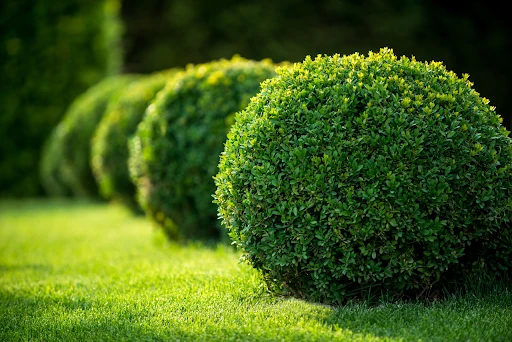

Japanese boxwood is a versatile and attractive shrub commonly used in gardens to create formal borders, topiaries, and defined edges. Its dense foliage, slow growth, and evergreen nature make it ideal for shaping and precision trimming. When working with Japanese boxwood, gardeners can achieve a polished and elegant appearance, whether outlining pathways, framing flower beds, or creating structured garden designs. Mastering proper trimming and care techniques ensures that Japanese boxwood remains healthy and visually appealing year-round.
Preparing Your Japanese Boxwood For Trimming
Selecting The Right Tools
Before shaping Japanese boxwood, it is essential to gather the right tools. Sharp pruning shears, hedge trimmers, and gardening gloves allow for precise cuts without damaging the plant. For larger projects, long-handled hedge clippers or electric trimmers can save time while maintaining accuracy. Using clean, well-maintained tools prevents the spread of disease and ensures a crisp, clean edge for your Japanese boxwood borders.
Choosing The Best Time To Trim
Timing is crucial when shaping Japanese boxwood. The best period for trimming is during late spring to early summer when the plant is actively growing. Avoid heavy pruning during the winter or periods of stress, as this can weaken the shrub. Regular light trimming throughout the growing season helps maintain desired shapes and encourages denser foliage, resulting in more defined borders and edges.
Techniques For Shaping Japanese Boxwood
Creating Defined Borders
Shaping Japanese boxwood into neat borders requires patience and consistency. Start by establishing a guideline using stakes or strings to ensure a straight edge. Trim small sections at a time, following the guidelines, and step back frequently to assess symmetry. Japanese boxwood responds well to incremental shaping, allowing gardeners to achieve clean, professional-looking edges.
Topiary And Decorative Shapes
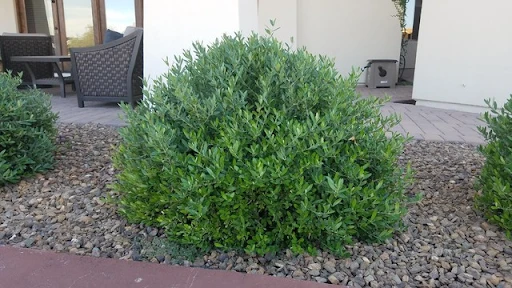
Beyond borders, Japanese boxwood can be trained into topiary forms, including spheres, cones, and intricate geometric designs. When creating topiary shapes, start with the basic outline and gradually refine the form over several trimming sessions. Regular maintenance cuts encourage dense growth and maintain the intended shape, making Japanese boxwood an excellent choice for artistic garden features.
Maintaining Height And Width
To maintain uniform height and width, regularly monitor your Japanese boxwood borders and adjust trims as needed. Overgrown or uneven sections should be carefully pruned to match the surrounding foliage. Proper attention to both vertical and horizontal growth ensures that borders remain crisp and visually balanced.
Caring For Japanese Boxwood After Trimming
Watering And Fertilization
After trimming Japanese boxwood, proper watering and fertilization are essential. Water deeply but avoid overwatering, which can lead to root rot. Applying a balanced slow-release fertilizer promotes healthy growth and encourages the development of dense foliage. Well-nourished plants are more responsive to shaping and maintain their aesthetic appeal over time.
Preventing Pests And Diseases
Japanese boxwood can be susceptible to pests like boxwood leaf miners or fungal infections. Regular inspection and prompt treatment with appropriate solutions help protect the plants. Maintaining good air circulation and removing dead or damaged branches reduces the risk of disease, ensuring your Japanese boxwood remains vibrant and ready for precise trimming.
Conclusion: Achieving Perfect Edges With Japanese Boxwood
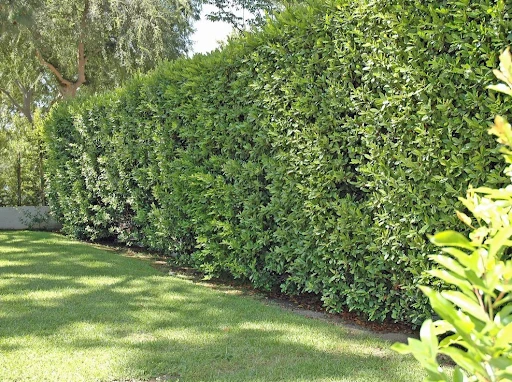
Shaping Japanese boxwood into perfect borders and edges requires attention, patience, and consistent care. By following proper trimming techniques, maintaining healthy growth, and monitoring for pests and disease, gardeners can achieve elegant, structured landscapes that enhance both aesthetics and functionality. Whether used to frame pathways, create formal garden designs, or add decorative interest, Japanese boxwood offers versatility and reliability. For those seeking additional structure or privacy in their gardens, pairing Japanese boxwood borders with privacy hedges can create a cohesive, secluded, and beautifully manicured environment.


























Sign in to leave a comment.