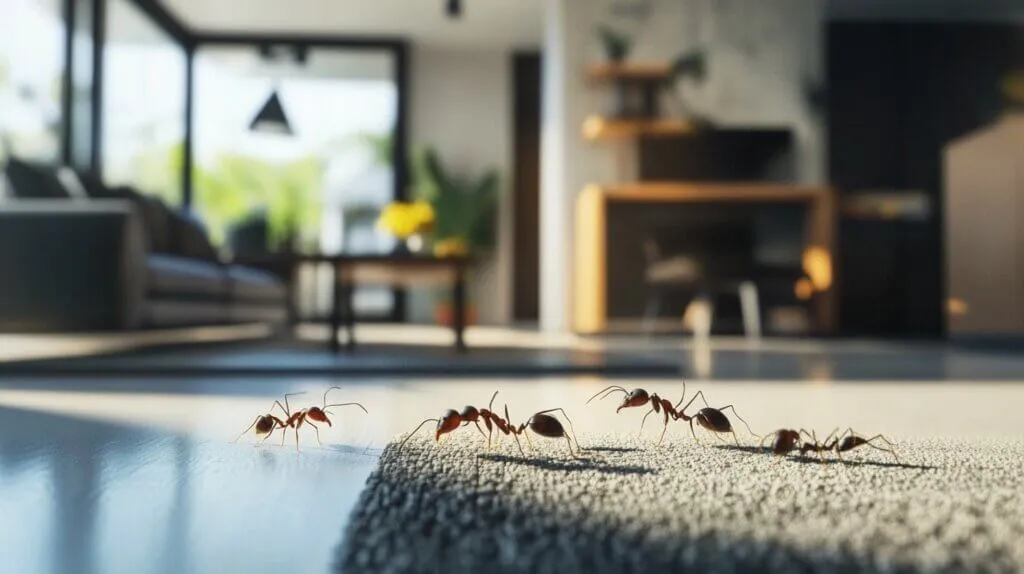

Ants are one of the most common household pests found in residential properties. Many homeowners notice ants in kitchens, bathrooms, basements, and even inside walls. At first, a few ants may not seem like a serious issue, but they can quickly multiply and create a larger infestation. Ants search for food, water, and shelter, which is why homes become attractive to them during different seasons. Once they find a reliable source of food, they continue returning in large numbers.
Keeping ants away requires regular cleaning, proper home maintenance, and quick action when signs of infestation appear. Many people try temporary solutions, but understanding why ants enter homes is the first step toward long-term prevention. A clean and protected property helps reduce ant activity and creates a healthier indoor environment for families.
Why Ants Enter Residential Properties
Ants usually enter homes while searching for food and moisture. Kitchens become the main target because crumbs, sugary items, and uncovered food attract insects quickly. Bathrooms and laundry rooms also attract ants because of moisture buildup and small water leaks.
Tiny cracks near windows, doors, pipes, and foundations allow ants to move indoors easily. Some ants travel long distances in search of food, while others build nests close to homes and repeatedly enter indoor spaces. Warm temperatures increase ant activity, especially during spring and summer months.
Weather changes can also push ants indoors. Heavy rain or dry conditions force colonies to search for safer places with stable food sources. Homes with cluttered storage spaces or poor sanitation are more likely to experience repeated infestations.
Common Types of Ant Problems in Homes
Different types of ants create different problems for homeowners. Small black ants are commonly found in kitchens and pantries where food is stored. These ants usually travel in visible lines and gather near crumbs or spills.
Carpenter ants are more serious because they damage wooden structures over time. Unlike termites, carpenter ants do not eat wood, but they tunnel through it to build nests. This can weaken walls, furniture, and wooden areas inside a property.
Outdoor ants can also move indoors when weather conditions change. Gardens, sidewalks, and patios often contain ant colonies that eventually spread into nearby homes. Once ants establish trails, they continue returning unless the colony is removed properly.
Some homeowners notice ants only during certain seasons, while others deal with infestations throughout the year. Understanding the type of ant problem helps determine the best prevention and treatment approach.
Early Warning Signs of an Ant Infestation
One of the first signs of an infestation is seeing ants repeatedly in the same area. Ant trails near sinks, cupboards, or food containers usually indicate that a colony has discovered a food source inside the home.
Small piles of dirt or debris near walls and corners may also signal nesting activity. Carpenter ants sometimes leave behind wood shavings while creating tunnels inside wooden structures. Strange rustling sounds inside walls can also indicate larger infestations.
Another warning sign is ants appearing around pet food bowls or garbage containers. Moisture around leaking pipes or damp basements often attracts ants as well. Ignoring these early signs usually allows colonies to grow larger over time.
Quick action is important because ants communicate with each other using scent trails. Once a path is established, more ants follow the same route into the property.
Simple Ways to Prevent Ants Naturally
Maintaining cleanliness is one of the best ways to reduce ant activity indoors. Kitchen counters should remain free from crumbs and food spills. Floors should be cleaned regularly because even small food particles attract ants quickly.
Food storage also plays an important role in prevention. Dry foods, snacks, and sugar should be kept in sealed containers. Pet food should not remain exposed for long periods, especially overnight.
Cracks around doors, windows, and foundations should be sealed to block entry points. Small openings near plumbing pipes and utility lines should also be repaired because ants use these spaces to move indoors.
Moisture control is another important factor. Leaking faucets and damp areas should be fixed quickly to remove water sources that attract insects. Proper ventilation helps reduce humidity levels inside bathrooms, basements, and storage spaces.
Outdoor maintenance can also reduce infestations. Tree branches should not touch the house because ants often use them as pathways. Garbage bins should remain tightly closed, and outdoor food waste should be cleaned regularly.
Why Ant Colonies Return Repeatedly
Many homeowners notice ants returning even after using sprays or cleaning products. This happens because surface treatments only remove visible ants while the colony remains active nearby. Worker ants continue searching for food until the nest itself is controlled.
Some ant colonies contain thousands of ants hidden underground or inside walls. Killing a few ants does not stop the queen from producing more insects. Without targeting the source of the infestation, ants often return after a short period.
Weather conditions and seasonal changes can also increase recurring infestations. During heavy rain, ants move indoors to avoid flooded nests. In dry weather, they search for moisture inside homes.
Proper identification and treatment of the colony are important for long-term control. This is why repeated infestations often require professional attention.
The Importance of Professional Ant Treatment
Professional pest technicians inspect homes carefully to locate ant colonies and entry points. Instead of focusing only on visible ants, treatments target the root cause of the infestation. This approach provides more reliable and long-lasting results.
Professional treatments also help reduce property damage caused by carpenter ants. Early intervention prevents colonies from spreading deeper into wooden structures. Experts understand ant behavior and apply treatments in areas where activity is highest.
Another benefit of professional service is safe application methods. Many homeowners use excessive chemical sprays without solving the actual problem. Trained technicians use approved solutions designed for residential environments.
Professional ant management also saves time and frustration. Persistent infestations can become difficult to handle without proper knowledge and equipment. Long-term prevention plans help reduce future ant activity around the property.
Seasonal Changes and Ant Activity
Ant activity usually increases during warmer months because colonies become more active while searching for food. Spring is often the busiest season because ants leave winter nesting areas and begin expanding their colonies.
Heavy rainfall can force ants indoors when outdoor nests become flooded. Dry summer conditions also drive ants toward indoor moisture sources. During colder months, some ants remain hidden inside walls or heated areas of the home.
Understanding seasonal behavior helps homeowners prepare early. Preventive maintenance before peak seasons can greatly reduce indoor infestations later in the year.
Keeping Kitchens and Storage Areas Protected
Kitchens require special attention because food attracts ants very quickly. Counters, shelves, and sinks should be cleaned daily to remove sugary residue and crumbs. Garbage should be disposed of regularly to avoid attracting insects.
Storage rooms and basements should remain organized because clutter creates hiding places for ants. Cardboard boxes and old papers may support nesting activity if left untouched for long periods.
Pantry shelves should also be inspected regularly for open food containers. Even sealed products can attract ants if food spills are left behind nearby. Proper storage habits create a less attractive environment for pests.
Why Early Action Matters
Small ant problems often grow into larger infestations when ignored. A few visible ants usually indicate a much larger hidden colony nearby. Early prevention reduces the chance of widespread infestation and property damage.
Quick action also lowers treatment costs and reduces stress for homeowners. Families can maintain a cleaner and healthier living environment when pest issues are handled early.
Regular inspections and preventive maintenance help protect homes throughout the year. Combining good sanitation with professional support creates stronger long-term protection against ant infestations.
Frequently Asked Questions
Why do ants suddenly appear in kitchens?
Ants enter kitchens while searching for food and water. Crumbs, sugary spills, and uncovered food attract them quickly.
Are carpenter ants harmful to homes?
Yes. Carpenter ants can weaken wooden structures by tunneling through wood to build nests.
How can I stop ants from returning?
Proper cleaning, sealing entry points, and removing moisture sources help reduce recurring infestations.
Do ants only appear during summer?
Ant activity is usually higher during warm weather, but some infestations continue indoors throughout the year.
When should I contact a professional for ant problems?
Professional help is recommended when ants keep returning, colonies become larger, or carpenter ants are discovered inside the property.
Keeping a home clean and well maintained is one of the best ways to reduce ant problems. Small prevention steps can greatly improve indoor comfort and stop infestations before they spread. Long-term pest prevention often requires expert attention when colonies become difficult to control. For homeowners looking for dependable ant management and reliable home protection, My Pest Exterminator provides professional solutions designed to handle ant infestations effectively.






























Sign in to leave a comment.