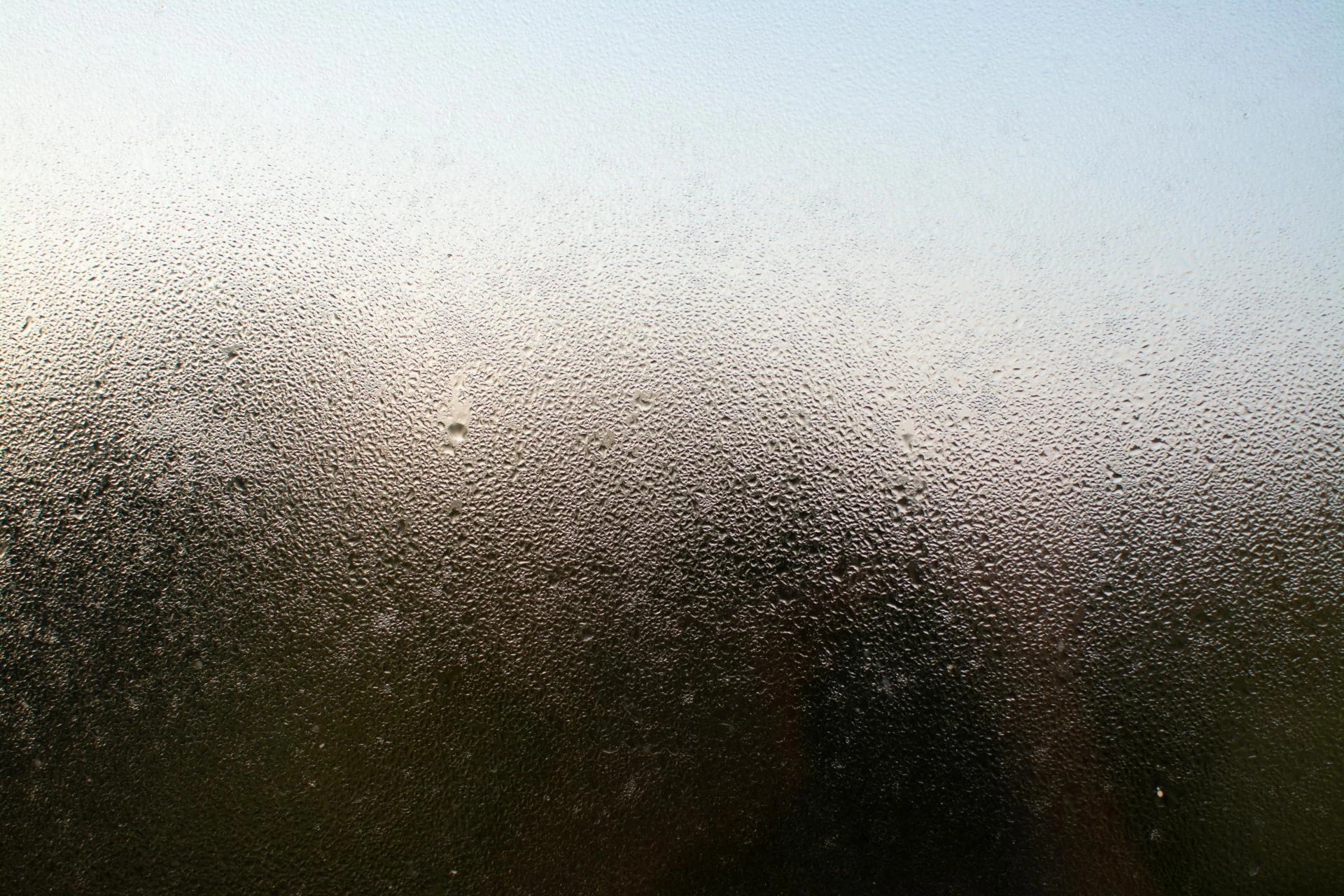

Waking up to foggy glass or beads of water trickling down your windows can be frustrating. Beyond looking unsightly, it signals an imbalance in your home’s air quality. Many homeowners search for ways to improve comfort while protecting their property, often asking the same question: how to stop window condensation?
The good news is that the solution doesn’t always require costly renovations. With smart natural ventilation techniques, you can reduce moisture, protect your home, and create a healthier living environment. In this guide, we’ll explain why window condensation happens, why it’s a bigger problem than you might think, and how Ventis Ventilation can help you tackle it effectively.
Why Does Window Condensation Occur?
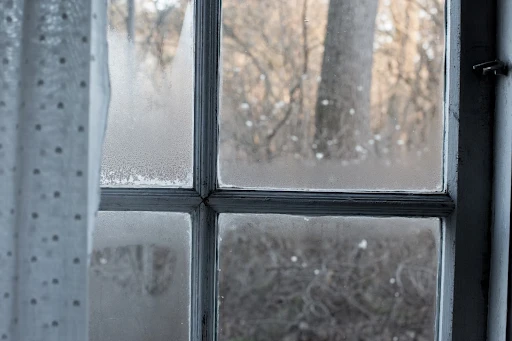
Condensation appears when warm, moist indoor air comes into contact with cooler glass surfaces. The temperature difference causes water vapour to turn into droplets. While a little morning mist might seem harmless, consistent window condensation can lead to:
- Mould growth, which poses health risks.
- Damage to frames, particularly timber.
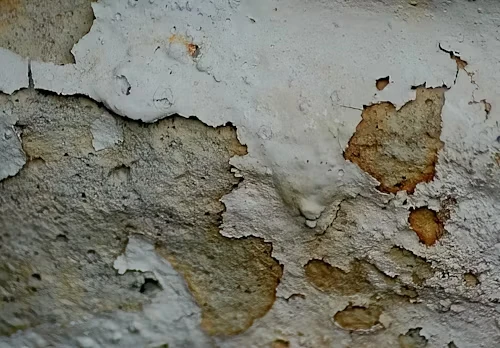
- Peeling paint and plaster around windows.
- Poor indoor air quality, aggravating allergies and respiratory issues.
Understanding the cause makes it easier to find long lasting solutions. At its core, stopping condensation means balancing moisture and airflow.
Why Natural Ventilation Matters
Mechanical solutions such as dehumidifiers or air conditioning can reduce moisture, but they often increase energy bills. Natural ventilation, on the other hand, harnesses airflow to regulate humidity levels without relying heavily on machines.
By introducing fresh outdoor air and removing stale indoor air, natural ventilation helps maintain a balanced environment. When applied strategically, it’s one of the most effective methods for anyone wondering how to stop window condensation without major renovations.
Practical Ways to Stop Window Condensation With Natural Ventilation
1. Open Windows at the Right Time
It may sound simple, but timing is everything. Opening windows for even 10 - 15 minutes in the morning allows humid air to escape. Cross ventilation, opening windows on opposite sides of your home, helps move air through effectively.
2. Use Trickle Vents
Many modern windows include small vents that let fresh air circulate continuously. They allow you to keep windows shut while still preventing window condensation from building up overnight.
3. Ventilate Kitchens and Bathrooms
Cooking, boiling water, or showering all release significant moisture. Keep doors closed and windows slightly open during these activities to prevent humid air from spreading throughout the house.
4. Position Furniture Thoughtfully
Large furniture placed directly against exterior walls can trap moisture. Allowing a small gap between walls and furnishings improves airflow and reduces the risk of condensation.
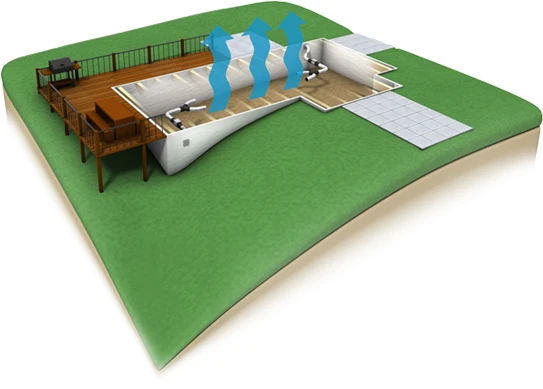
5. Consider Passive Ventilation Systems
For households where opening windows isn’t practical year round, passive systems installed by specialists such as Ventis Ventilation provide constant airflow without relying on energy hungry appliances.
The Link Between Ventilation and Health
Condensation isn’t just a cosmetic issue. When left untreated, it encourages mould spores, dust mites, and bacteria to thrive. These are well known triggers for asthma, hay fever, and skin irritations.
Natural ventilation doesn’t just answer the question of how to stop window condensation, it also plays a direct role in protecting your family’s health. Consistent fresh air helps maintain ideal humidity levels (between 40 - 60%), which reduces allergen build up and creates a more comfortable home environment.
Seasonal Tips for Reducing Condensation
Even with good ventilation, seasonal changes can make condensation more noticeable. Here are a few extra tips to apply throughout the year:
- Winter: Use window coverings that allow some airflow, rather than heavy drapes pressed tightly against glass.
- Summer: Cross ventilate during cooler mornings and evenings to flush out heat and moisture.
- Rainy periods: Keep windows slightly ajar in sheltered areas to release trapped humidity.
By combining these seasonal strategies with natural ventilation, you’ll stay ahead of potential condensation problems.
Why Prevention Is Always Better
Many homeowners delay addressing condensation until visible damage occurs. Unfortunately, by that stage repairs can be costly. Regularly thinking about how to stop window condensation is a proactive way to maintain property value and protect your living space.
With the right approach, you’re not just preventing water droplets on glass, you’re safeguarding your home against structural damage, health risks, and unnecessary energy costs.
A Healthier Home With Ventis Ventilation
Learning how to stop window condensation doesn’t have to be complicated. By applying natural ventilation strategies and understanding the role of airflow, you can reduce moisture, protect your property, and create a healthier environment for your family.
For homeowners looking for long term, reliable solutions, Ventis Ventilation offers expert systems tailored to your needs. Don’t let condensation compromise your comfort or investment, take control today and enjoy a fresher, drier, and healthier home.


























Sign in to leave a comment.