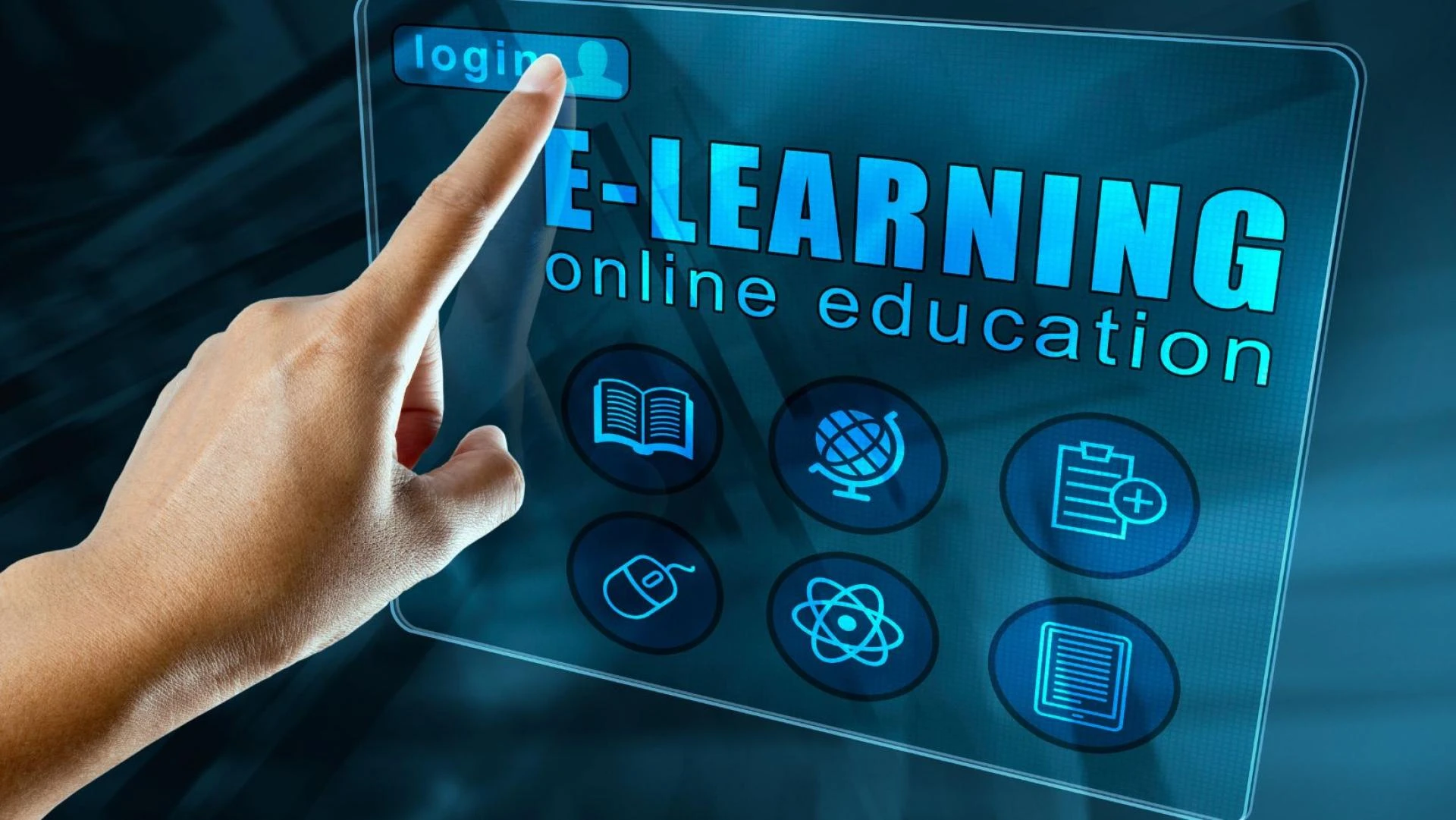

E-learning courses are becoming increasingly popular in today's digital world. They offer a convenient way to learn and develop new skills from the comfort of your own home. However, creating an effective e-learning course can be a difficult and time-consuming task. This is where the use of freelancers and outsourcing can be beneficial. In this blog post, we will explore how you can use freelancers and outsourcing to develop effective e-learning courses. We will discuss the advantages and disadvantages of using freelancers and outsourcing, as well as tips and strategies for getting the most out of the process.
Defining Your Course Goals
When it comes to developing an effective e-learning course, the first step is to define your goals for the course. Ask yourself what outcomes you want to achieve with this course, what topics you want to cover, and what type of content you need. Take the time to think through all aspects of the course so you can create a clear plan that will guide the development process.
Start by researching the needs of your target audience and defining specific objectives. You should have a good understanding of what your learners need to know and what skills they need to acquire. This will help you create relevant and targeted content that is aligned with their learning goals. Once you have identified your objectives, you can move on to deciding the best format for your course.
Consider the types of activities that will work best in a digital format and what type of content is best suited for each topic. Think about how you can use visuals, animations, and audio to enhance the learning experience and make sure that the course can be completed in a reasonable amount of time.
Finally, make sure you set clear expectations for yourself and for any freelancers or external vendors who may be involved in developing the course. Set out the timeline, budget, and quality standards that need to be met, and consider any additional resources you may need. This will ensure everyone understands their roles and expectations, and that the course is developed according to plan.
Identifying Your Target Audience
Knowing your target audience is essential when it comes to developing effective e-learning courses. The content you create, the delivery method you choose, and even the language you use will all be determined by who you are trying to reach. When you know who your audience is, you can tailor the content to their specific needs and interests.
Start by defining your target audience in terms of demographics, such as age, gender, education level, and location. This will help you craft messages that speak to their unique needs. You should also consider psychographics such as lifestyle, values, and interests when crafting messages for your target audience.
Once you have identified the demographic and psychographic characteristics of your target audience, you need to decide how to reach them. Consider whether they prefer traditional learning methods or if they would benefit from more modern methods such as online learning. This will help you decide which platforms and delivery methods to use when creating your e-learning course.
Finally, you should also consider the language used when communicating with your target audience. Make sure you use language that resonates with them and is easy for them to understand. Also, consider if there are any cultural nuances or sensitivities that need to be taken into account.
By taking the time to identify your target audience and their needs, you can create an e-learning course that speaks directly to them and helps them learn in the most effective way possible.
Determining the Best Format for Your Course
In recent years, there has been a shift towards e-learning in the education and corporate sectors. As technology advances, more and more people are turning to digital solutions to obtain the knowledge they need. That’s why it’s important for organizations to understand the best formats for their e-learning course.
When selecting the format of your e-learning course, there are a few key points to consider:
What’s the purpose of the course? Are you looking to teach a skill or provide information? Who is the target audience? How tech-savvy are they? What type of material will be presented? Will it be text-heavy, video-heavy, or both? How long should the course be? What platform will you be using to deliver the course?Some popular formats for e-learning courses include:
Interactive Videos: This format is great for presenting complex topics with visuals. It’s also perfect for providing step-by-step tutorials. Microlearning: This format uses small, bite-sized pieces of content to teach a skill or concept quickly and easily. Online Quizzes and Assessments: Quizzes and assessments are great tools for testing learners’ comprehension and retention of course material. Simulations: These can help learners better understand complex topics by experiencing them in a simulated environment.In addition to these popular formats, organizations can also experiment with other formats such as blogs, podcasts, webinars, and live streaming. The key is to find the format that best fits the goals of your e-learning course.
When it comes to designing your e-learning course, it’s important to take into account the target audience, the purpose of the course, and the type of content that will be used. With careful consideration, organizations can find the best format for their e-learning course and ensure its success.
Finding Qualified Freelancers
If you’re looking to hire freelancers or outsource to an e-learning development company to create your course, you need to make sure you hire the right people. It’s important to do your research and find professionals with the experience and skills necessary for creating high-quality courses. Here are a few tips for finding qualified freelancers and companies:
Look for Relevant Experience: The most important factor when selecting a freelancer or development company is experienced in creating e-learning courses. Make sure you check portfolios and reviews and ask for examples of previous work. Consider Their Specialty: Consider what type, of course, you want to create, as some professionals specialize in certain formats, such as video-based courses, text-based courses, or interactive simulations. Ask For Referrals: Ask other businesses and colleagues who they have used to develop their courses. This can be a great way to find experienced professionals who have created successful e-learning courses in the past. Read Reviews: Read customer reviews and ratings on freelance websites or platforms like Upwork, Freelancer, and Fiverr. This can help you get an idea of how other clients feel about a particular freelancer’s work.By taking the time to find the right freelancer or development company for your project, you can ensure that your course is created professionally and meets your expectations.
How to get ease with the E-Learning solution
When it comes to developing an e-learning solution, there are numerous benefits that can help make the process easier. An eLearning solution can help you quickly and easily create custom courses, webinars, online modules, and more with minimal effort. Plus, eLearning solutions provide a comprehensive learning platform that can be used to manage and track progress, as well as provide resources for learners.
When considering how to get an eLearning solution, one of the first steps is to research different development companies. Look for companies that specialize in creating eLearning solutions and have experience in creating custom eLearning experiences. Make sure the company you choose has the resources and expertise necessary to create the exact type of course you need.
Once you have found a suitable development company, it’s time to discuss the cost to develop an e-learning solution. This cost will depend on the complexity of your course and the features you require. Be sure to also discuss timeline expectations and review any additional fees that may be charged for customization or support. It’s important to ensure that all costs are clearly outlined before you sign a contract.
By using an experienced development company and understanding the cost associated with developing an e-learning solution, you can ensure that your course will be delivered efficiently and effectively. With the right approach, you can leverage the power of e-learning to improve learner outcomes and save money in the long run.
Conclusion
E-learning development is a complex process that requires significant time and expertise to create a successful outcome. Utilizing freelancers and outsourcing is an effective way to streamline the e-learning development process, enabling you to quickly produce quality content. Not only will it reduce costs, but it will also ensure that you have access to a wide range of skill sets to create the most comprehensive and effective eLearning solution for your audience. By clearly defining your course goals, identifying your target audience, and determining the best format for your course, you can create an eLearning solution that meets the needs of your learners and helps them reach their learning objectives.




















Sign in to leave a comment.