

The Quest for Trust: Navigating the Secondary Market for Diabetic Supplies
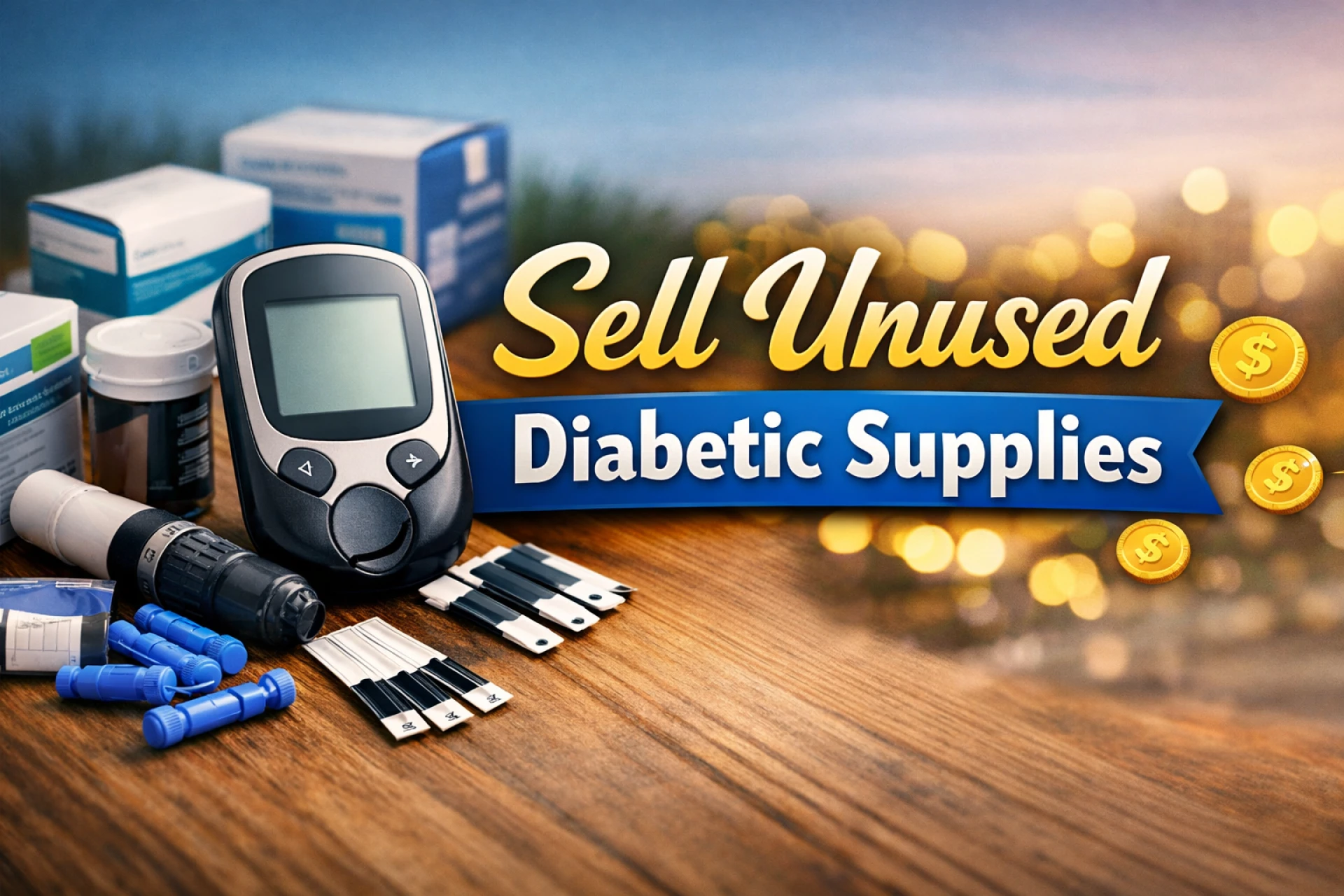
Managing diabetes is a full-time job that requires meticulous planning and a constant inventory of supplies. Sometimes, life changes—a doctor switches a prescription, a continuous glucose monitor (CGM) brand is updated, or a surplus simply builds up. When faced with a cabinet full of sealed, unexpired boxes that are no longer needed, the idea of finding them a new home feels both practical and helpful.
However, the world of reselling medical supplies is a landscape that requires a cautious map. Unlike selling an old bicycle or a used book, diabetic supplies are sensitive health tools. Finding a legitimate buyer isn't just about the financial transaction; it's about ensuring the supplies remain in a safe, regulated chain of custody so they can eventually reach someone who truly needs them.
Recognizing the Red Flags of the "Grey Market"
The journey to a safe sale begins with identifying who to avoid. The internet is filled with "fly-by-night" buyers who operate solely through social media direct messages or anonymous classified ads. While these individual buyers might offer quick transactions, they lack the accountability required for medical goods.
A major red flag is a buyer who doesn't care about the condition of the box. Legitimate organizations have strict standards because they know that a crushed box or a broken seal could mean compromised strips or sensors. If a buyer is willing to take expired goods or items with damaged safety seals, they are likely not following safety protocols. Furthermore, avoid any buyer who asks for personal medical information or insurance details; a legitimate business only needs to know about the product itself.
The Hallmarks of a Professional Buyer
A reputable buyer operates like a professional business, not a hobbyist. When scouting for a partner to help you turn extra diabetic supplies into cash, look for companies with a verifiable physical presence and a transparent process.
Professional buyers typically provide a clear, public pricing menu. They don't haggle like a flea market vendor; instead, they offer set rates based on the brand, quantity, and expiration date. Their websites should feature clear "Terms and Conditions" and a "Privacy Policy" that outlines how your data is handled. Perhaps most importantly, look for established customer service channels. A legitimate company will have a working phone number and a professional email address where you can reach a human being if a shipment goes astray.
The Inspection Process: Why Rigor Matters
The hallmark of a safe transaction is a rigorous inspection process. Once you ship your items, a legitimate buyer won't just glance at the box and send a payment. They will conduct a multi-point inspection to ensure the integrity of the supplies.
They check for "Dings and Dents," ensuring the structural integrity of the packaging is sound. They verify that the expiration dates are far enough in the future—usually at least six to ten months—to be useful for another patient. They also meticulously check the factory seals. If a buyer skips these steps or pays you before even seeing the product, it’s a sign that they may not be prioritizing the end-user's safety. A trustworthy partner protects the entire ecosystem of diabetic care by being "picky."
Protecting Your Privacy and Security
Security isn't just about the money; it's about your personal information. Many diabetic supplies come with pharmacy labels attached to the boxes. These labels contain sensitive information, including your name, your doctor’s name, and potentially your insurance provider.
A legitimate buyer will have a clear protocol for handling these labels. Some companies provide instructions on how to safely remove them without damaging the box, while others use professional-grade blackout markers or heat guns to strip the information once the product arrives at their facility. Before committing to a sale, ask the buyer how they handle patient privacy. If they seem indifferent to the presence of your prescription labels, it’s a sign to look elsewhere.
Closing the Loop Safely
The final step in a safe transaction is the payment method. Legitimate businesses offer traceable payment options like corporate checks, direct deposits, or established third-party processors. Avoid anyone insisting on "cash in an envelope" or untraceable wire transfers.
By taking the time to vet a buyer, you ensure that your surplus supplies don't go to waste and that the transaction remains ethical and secure. It turns a potential cabinet-cleaning chore into a responsible way to keep the medical supply chain moving efficiently, ensuring that resources get to the people who can use them most.
For Business Inquiries Related to Sell Unused Diabetic Supplies, Please Call Us or WhatsApp At: +1 908–855–7064





























Sign in to leave a comment.