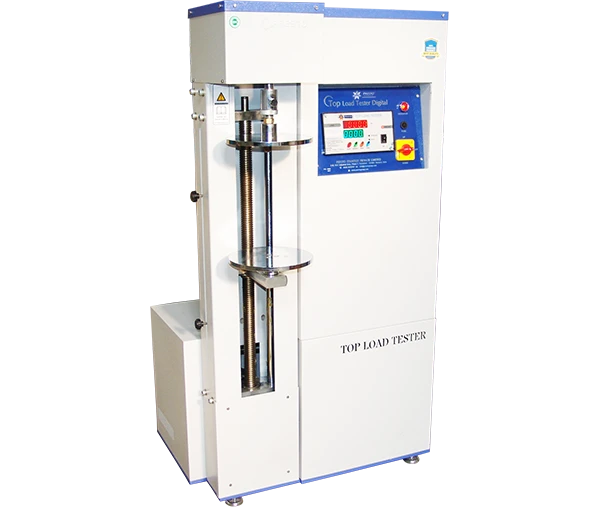

In the competitive world of manufacturing and packaging, ensuring the integrity, durability, and performance of products is paramount. Whether it's food, pharmaceuticals, or consumer goods, packaging plays a vital role in preserving the product and protecting it from external forces. One of the most effective ways to assess packaging performance is through various specialized testing methods. Among these, a top load tester is one of the most important tools for evaluating the strength and resilience of packaging materials. However, to ensure complete packaging reliability, a combination of tests is required, including those from a torque tester, heat seal tester, vacuum leak tester, bursting strength tester, box compression tester, and melt flow index tester.
Top Load Tester: Simulating Real-World Conditions
A top load tester measures the force a package or container can withstand when subjected to pressure from above. This is crucial in simulating real-world conditions such as stacking during storage or transportation. For example, a bottle or carton may be stacked on top of each other during distribution, and a top load tester ensures that the packaging can handle the weight of items placed on top without failure. This test helps determine whether the product will remain intact under pressure, preventing damage to the product and reducing waste.
In industries such as food and beverages, pharmaceuticals, and electronics, a top load tester ensures that packaging can handle weight and stress without compromising the product's safety or quality. By measuring the package’s response to compression, manufacturers can tweak their packaging design to improve durability and avoid costly returns or product recalls.
Torque Tester: Ensuring Proper Tightening and Assembly
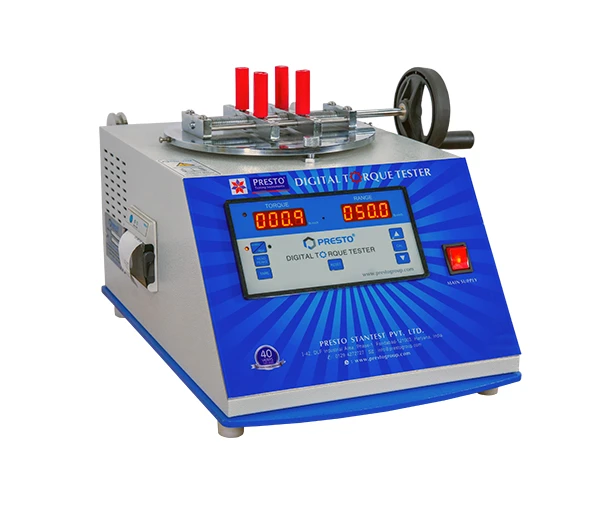
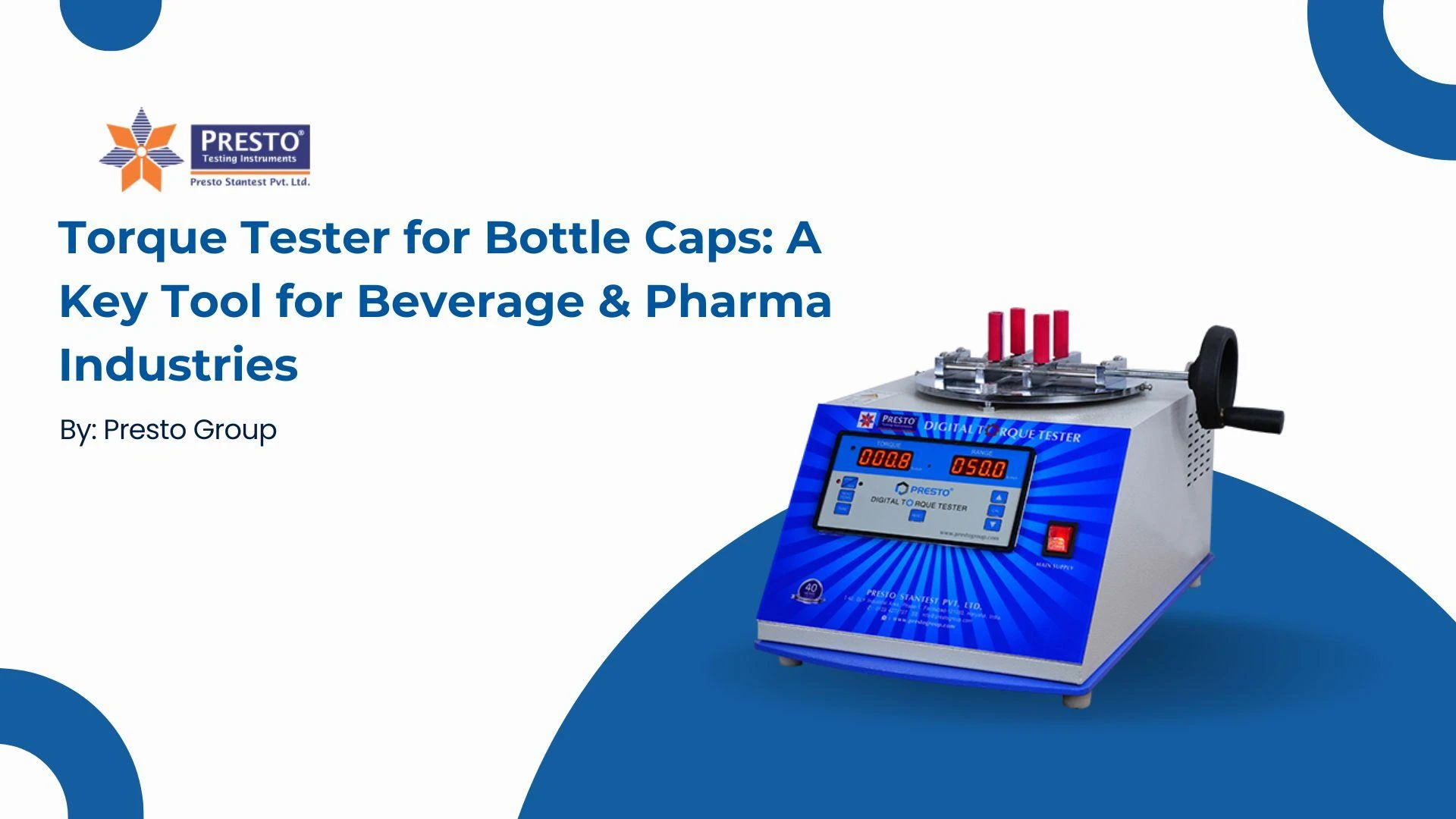
In addition to top load testing, torque testers play a critical role in product and packaging performance. These devices measure the force required to tighten or loosen a fastener, lid, or cap. Proper torque is essential in various industries, particularly for packaging components like bottle caps, jars, and containers. A torque tester ensures that closures are neither too tight (which can cause damage to seals or threads) nor too loose (which can lead to leakage or contamination).
In the food and pharmaceutical sectors, proper torque is particularly critical for maintaining product freshness and safety. Torque testers help manufacturers avoid issues like product leakage, spoilage, or contamination during transportation, all of which could lead to customer dissatisfaction or regulatory violations.
Heat Seal Tester: Ensuring Seal Integrity
A heat seal tester is another essential device that ensures the quality and integrity of seals in packaging. Packaging materials such as pouches, bags, or films rely on heat sealing to create airtight closures. These seals protect products from contaminants, moisture, and environmental factors. Heat seal testers assess the strength and quality of these seals by applying pressure and measuring how well the material withstands force without breaking.
In industries like food packaging, where preserving the freshness of the product is critical, heat seal testers are indispensable. They help ensure that the packaging maintains its protective barrier, preventing leaks and contamination. Furthermore, in medical packaging, which often requires sterile environments, heat seal testers help meet stringent safety standards.
Vacuum Leak Tester: Preventing Contamination
A vacuum leak tester is used to identify even the smallest leaks in packaging, which is vital for preventing contamination in sensitive products. This tester is particularly important for food and pharmaceutical industries, where airtight packaging is crucial for preserving product integrity. A vacuum leak tester applies a vacuum to the package, and any air entering the package indicates a leak.
This testing method helps ensure that packaging remains airtight, preventing contamination, spoilage, or degradation of the product. In addition, it helps manufacturers meet regulatory requirements for product safety, ensuring that products remain safe for consumers and free from harmful microorganisms.
Bursting Strength Tester: Measuring Material Durability
The bursting strength tester measures the ability of packaging materials to resist internal pressure. This is particularly important for materials like paper, plastic films, and corrugated boxes, which must be strong enough to withstand the pressures of transportation, stacking, and handling. A bursting strength tester simulates the internal pressure that can accumulate within a package, ensuring that materials can resist bursting or tearing.
This test is vital for industries that rely on packaging to protect fragile products, such as electronics or glassware. By testing for bursting strength, manufacturers can ensure that their packaging remains intact throughout its journey, safeguarding the product inside and enhancing customer satisfaction.
Box Compression Tester: Ensuring Structural Integrity
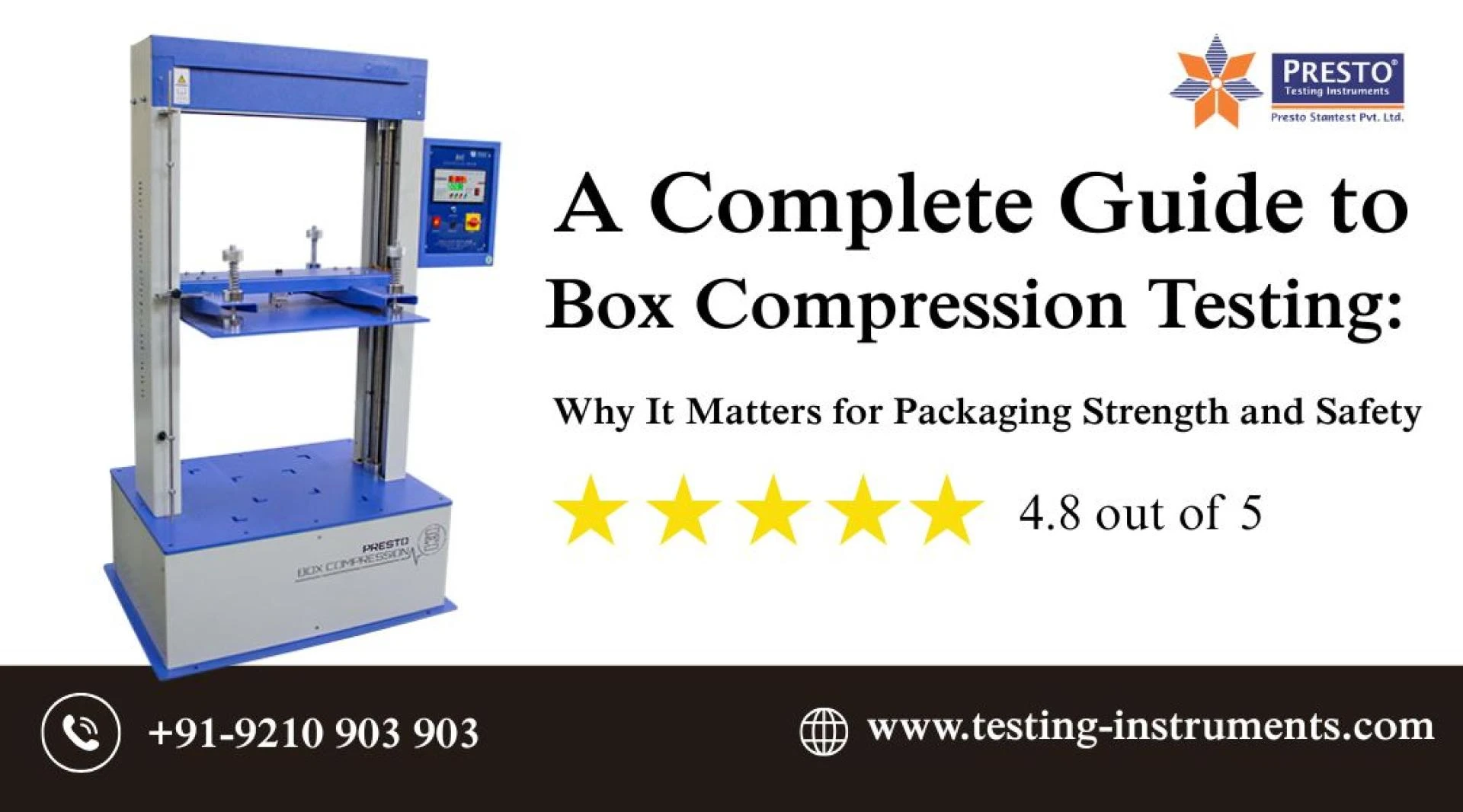
A box compression tester evaluates the overall strength of cardboard or corrugated boxes. It measures the force a box can withstand before collapsing under pressure. This is essential for determining how well the packaging will hold up when stacked during storage or transport.
For manufacturers shipping large quantities of products, a box compression tester ensures that packaging can bear the weight of other boxes stacked on top without losing structural integrity. This helps prevent damaged goods, product returns, and costly replacements. By testing box compression strength, manufacturers can select the right materials and design for optimal performance in transit.
Melt Flow Index Tester: Analyzing Plastic Materials
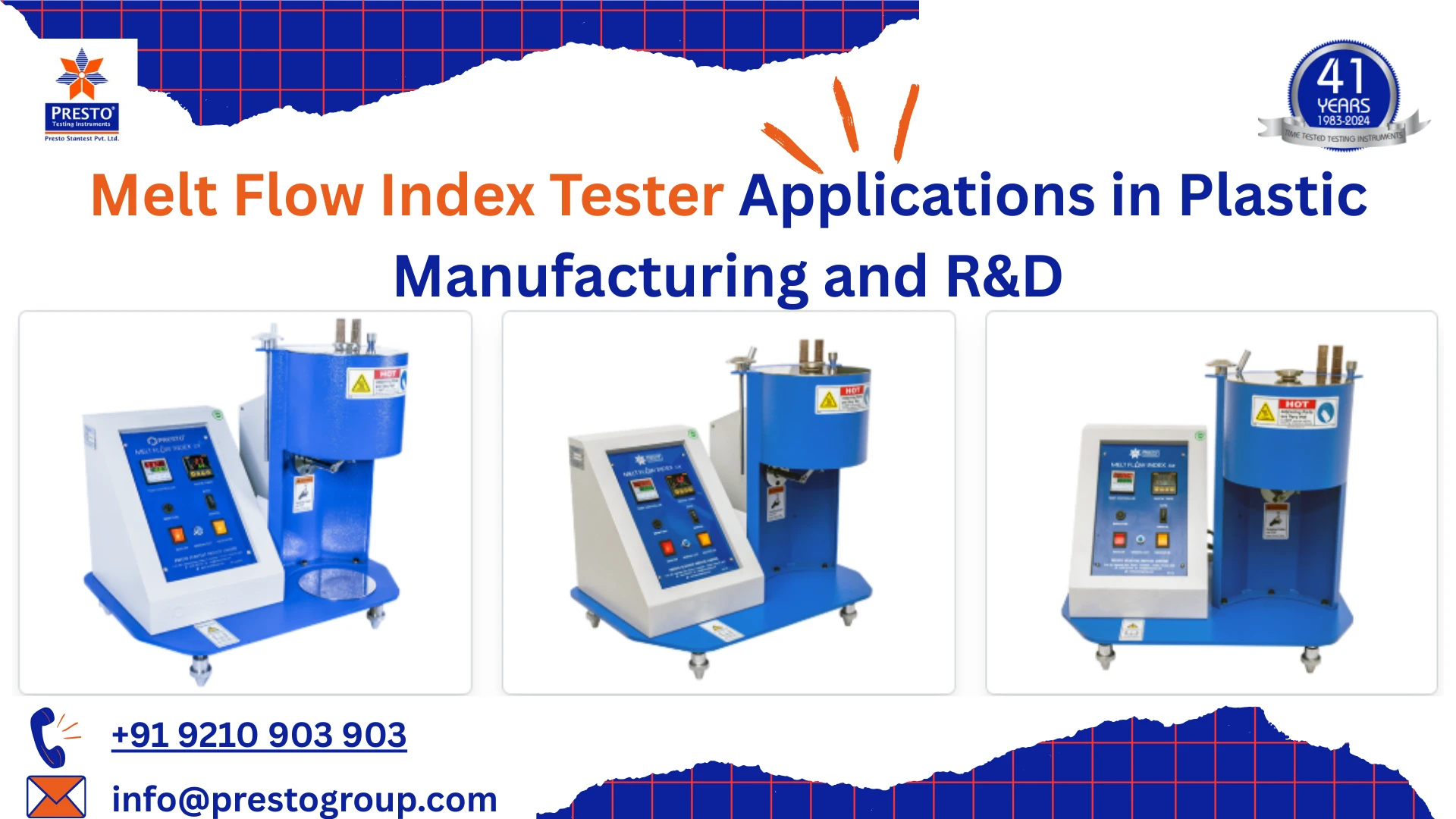
The melt flow index tester is used to measure the flow properties of thermoplastic materials. In packaging, it is critical for assessing the ease with which plastic materials, such as films or containers, can be processed. The tester measures the rate at which a material flows under controlled conditions of temperature and pressure.
By understanding the melt flow index of packaging materials, manufacturers can optimize the production process and improve the consistency and quality of the final product. This is particularly important for products like plastic containers, films, or bottles, where material consistency directly impacts packaging quality and product protection.
Conclusion
In the packaging industry, a combination of testing methods is required to ensure product and packaging performance. Tools like top load testers, torque testers, heat seal testers, vacuum leak testers, bursting strength testers, box compression testers, and melt flow index testers provide manufacturers with the data they need to enhance the strength, durability, and safety of their packaging. By using these testers, manufacturers can avoid product damage, improve consumer satisfaction, and ensure compliance with regulatory standards, ultimately leading to a more reliable and efficient production process.
Email :- [email protected]
Call Now: +919210903903





















Sign in to leave a comment.