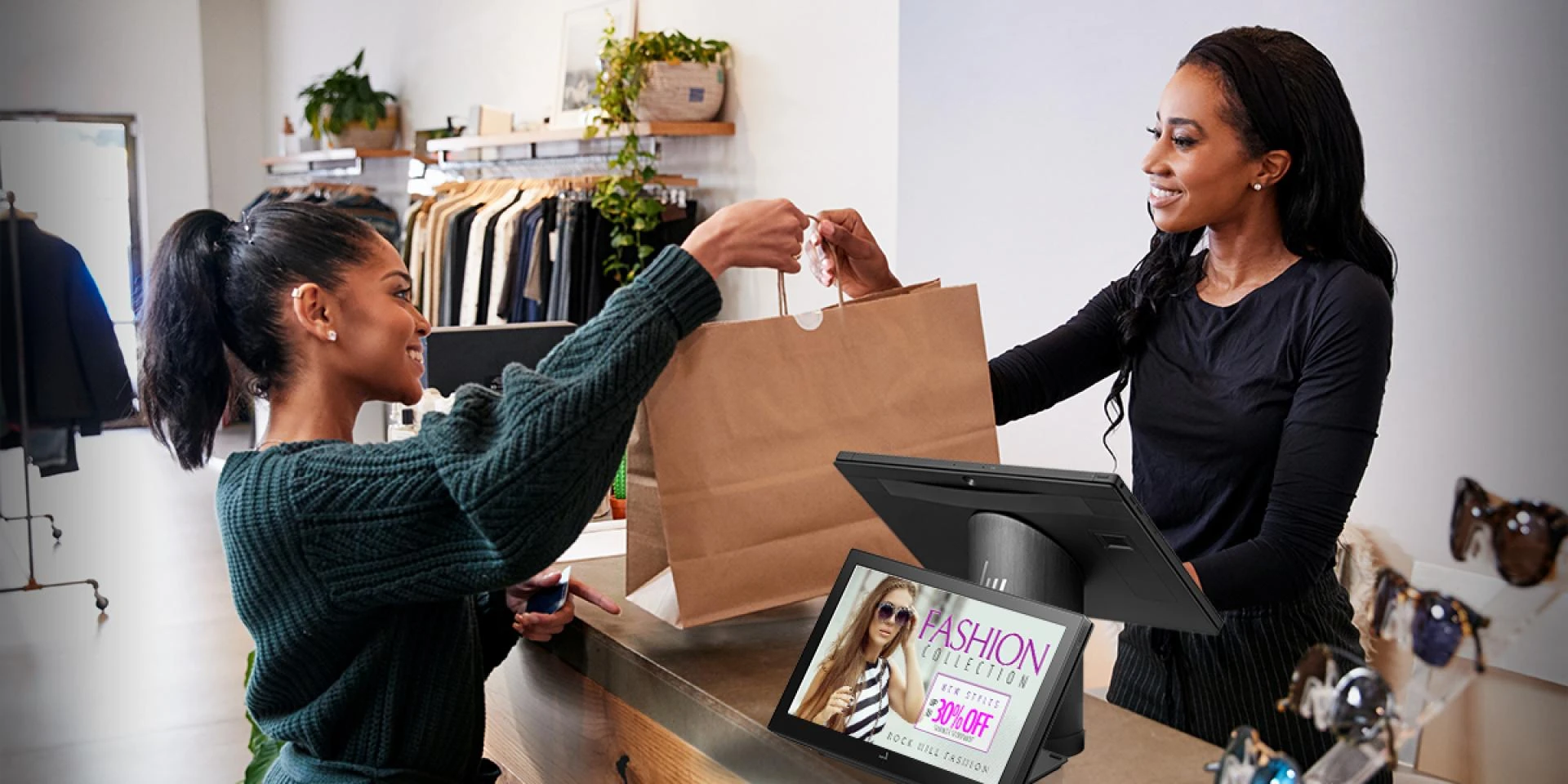

Have you ever wondered how your favorite retail store magically adds those complimentary gifts to your order?
Or have you wondered why Amazon’s ‘recommended purchases’ are always something you like?
This is the art of upselling. And it’s a marketing strategy that every retailer should be using. In a nutshell, upselling or suggestive selling, involves encouraging customers to add-on to their order at checkout. When done right, it can consistently add 10-30% to your average transaction value.
Ultimately, the key to upselling is personalization. And you can do that with a retail point of sale (POS) system that captures customer preferences.
In the retail industry, where hundreds of customers walk into your store daily, making every transaction count is crucial. It is also challenging to remember everyone’s preferences, but with the right POS tool, you can do it with ease.
This guide will explore the ins and outs of upselling, the benefits of upselling, techniques retailers can use, and real-life examples that show the power of a well-executed upselling strategy.
Key Benefits of Upselling in Retail
Upselling has always been a favorite choice of many retailers. And it offers significant advantages like:
Enhanced Revenue Streams
We need to understand that upselling isn’t just a sales tactic. If implemented correctly, it is a clever and readily available method that is a revenue booster!
It encourages customers to upgrade by suggesting complementary products and enhancing their shopping experience.
Advantages:
It increases the average transaction value It unlocks additional revenue streams for your business It can help you sell products that would have been difficult to sell (due to high prices) Most of the time, customers don’t explore new products; with upselling, they get a chance to upgrade to a new productImproved Customer Satisfaction
Upselling is a win-win! When customers' requirements align with your recommendations, they are more likely to leave satisfied, and chances are they will visit again!
Advantages:
Leaves a positive experience Improved chances of repeat business Fosters brand loyalty Word-of-mouth marketing (recommending you to others)Building Trust and Loyalty
Yes! Upselling does build trust. How so? When customers feel satisfied with your recommendations, they feel a sense of being ‘visible and heard'.
For them, in that instant, it becomes MORE than a shopping experience. Customers understand that your suggestions genuinely benefit them, establishing a sense of trust.
Advantages:
Long-term relationships It gives you an edge over other competitorsTypes of Upselling Programs: Focusing on Customer Needs
The most popular types of upselling programs are:
Add-Ons and Accessories
This form of upselling offers relevant add-ons or accessories. For example, when your customer wants to buy a laptop and you suggest a laptop bag or anti-virus.
P.S. Scroll down to find some real-life examples!
Product Upgrades
This is a classic upselling technique. A product upgrade is when you encourage customers to buy another product valued higher than their original purchase. This encourages customers to buy a higher-tier product or a premium version.
For example, you sign up for free software, but are encouraged to try premium.
Bundling Deals
This is a widespread practice for retailers (who want to sell products quickly and efficiently) and restaurants. When you walk into a restaurant to buy a burger, you might have seen, ‘Do you want to club it with a can of soda?’
OR when a retailer sells three pairs of socks together instead of one pair.
This boosts sales but also offers customers valued deals and savings.
Limited-Time Offers
‘Hurry! While Supplies Lasts!’ ‘Offer Valid Only till 25 December’
These banners create a sense of urgency by presenting limited time offers.
This technique is extremely helpful to loyal customers and those on holiday shopping. It includes heavy discounts or additional items WITHIN a specified time frame.
Real-Life Examples of Upsell Programs
Here are a few reasons why upselling is a great idea! Check out the real-life examples:
Amazon's "Frequently Bought Together"
Amazon always finds ways to engage its customers. Their upselling strategy seamlessly integrates with the customer's shopping experience. Their "Frequently Bought Together" section suggests products based on the customer's previous shopping history and selection, encouraging them to make additional purchases.
McDonald's "Would You Like to Add Coke or Fries with That?"
McDonald’s is an iconic example of upselling with its ‘Would you like something else with this option. Jim Sullivan, CEO of Sullivision, says, “Upselling works nearly 58 to 72% of the time.”
Apple's Product Ecosystem
Apple’s product ecosystem is the perfect example of upselling. For every purchase, the store executives suggest additional products like Apple watches, Air Pods, chargers, etc., creating a seamless and interactive user experience.
FedEx "Upgrade to Overnight Shipping"
FedEx is a prime example of upselling by allowing customers the option to select an overnight shipping process. This has helped increase the sales value and also enhances customer service.
What Is an Upsell Incentive Program?
It is a program that rewards employees for every upsell they make. This way, the employees are motivated to perform better, and your customers have a great shopping experience. It is a win-win situation!
For example, you are at a mobile store to buy an iPhone 14. Upselling can work in three ways:
The manager asks you for add-on features such as extended warranty Upgrade to a higher model at a discounted price Made additional purchases by including a charger or mobile coverWith an upsell incentive program, the employee would receive a percentage of the upselling revenue.
Implementing Upsell Incentive Programs: Motivating Your Team
Every upselling incentive program is incomplete without your team’s involvement. This encourages them to participate in the upselling programs and motivates them to interact with the customers to attain the strategic goal.
Recognition and Rewards
One of the biggest fears of every retail owner is their employees' need for more involvement. Recognition and rewards program encourages team members to get involved with the customers effectively. It creates a positive work environment and encourages others to follow suit.
Performance-Based Bonuses
A performance-based bonus includes a percentage of the sales value for each successful upsell. These types of bonuses are generally target-based programs.
For example, insurance agents earn commission on upsells.
Friendly Competitions
A healthy and friendly competition between team members helps them achieve their upselling goals with rewards for top performers.
Elevating the Retail Experience
An upsell incentive program goes beyond boosting sales numbers. It creates a unique retail experience that builds trust, engages customers, and fosters loyalty. It is an opportunity to address huge crowds and offers a valuable customer experience.
Writer’s Note: Remember, it's not just about selling more; it's about turning each customer interaction into a productive and delightful experience.























Sign in to leave a comment.