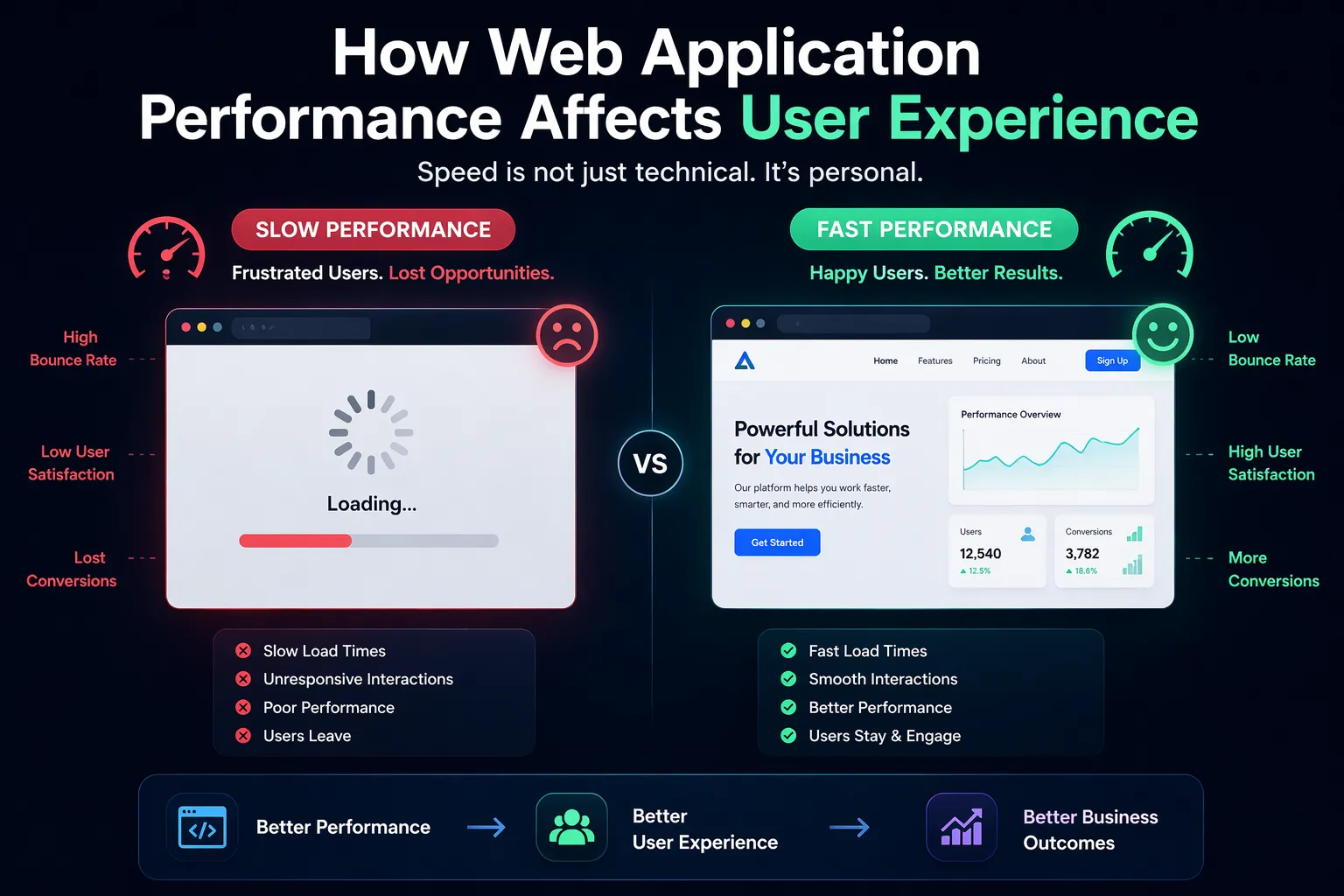

Last year, a colleague of mine built a pretty solid product. Months of work. Good design, clean features, real effort behind it. He launched it, shared it around, and got some early signups.
Two weeks later, he called me. People were signing up but not coming back. Not a single returning user after day three.
We looked at everything. The onboarding, the emails, the features. Then someone timed the actual app loading. Eleven seconds. On a decent connection.
That was it. That was the whole problem.
Speed Is the First Thing People Feel
Before someone reads what your app does, before they see the feature you spent three weeks building, before they scroll even once, they have already made a call. Stay or leave. Trust or don't.
That call happens in the first few seconds, and it is based on one thing only. How fast did something actually appear on their screen?
Three or four seconds of a blank page or a spinning loader, and people are not thinking "this is slow." They are thinking, "This is broken." And nobody gives a broken product a second chance. They close the tab, open Google, and find someone else.
The Numbers Are Hard to Ignore
Google has been tracking this for years. Load time goes from one second to three seconds — you lose 32% of users before they see a single thing. Push it to five seconds — that number hits 90%.
Nine out of ten people. Gone. Before your product had even one chance to make an impression.
An e-learning platform cut its load time from 6.2 seconds to 1.8 seconds. Same courses, same teachers, same price. Nothing else touched. Course completions went up 43% the very next month. Just from being faster. That is how much this one thing matters.
Slow Does Not Just Lose You Traffic. It Loses You Trust.
This is the part most people do not think about.
A slow app does not just make someone leave in that moment. It plants a doubt that sticks. When something takes too long to load, people start wondering — is this site even being maintained anymore? Is my card information safe here? Does this company actually know what they are doing?
Nobody thinks these things out loud. But they happen. And once that feeling is there, it is very hard to undo.
A fast product feels looked after. A slow one feels like nobody is home.
What Is Usually Behind It
Most performance problems come from the same few places. Which is actually good news because it means they are fixable.
Bad database queries are usually the first thing to look at. The app is pulling far more data than the page needs. Queries are running without indexes. One page load is somehow hitting the database forty or fifty times when a handful of proper queries would do the same job. One company found a single query firing forty-three times per page. They fixed that one thing and dropped load time from seven seconds to under two.
Too much happening on the front end is the other common one. JavaScript bundles that are way too large. Images that were never compressed are being served at full size on a small phone screen. Third-party scripts are loading at the worst possible moment. Each one adds seconds. Together, they just wreck the experience quietly.
And if caching is not set up at all, every single visit starts from scratch, redoing all the expensive work every time. A real estate platform added Redis caching to their property search and went from 4.1 seconds to 0.3 seconds overnight. Same data, same logic. They just stopped recalculating everything from zero on every request.
Mobile Is a Completely Different Animal
Most teams test on the office wifi, numbers look acceptable, and they ship. Real users are on their phones with a shaky signal in a moving car, a packed metro, or a busy mall.
One food delivery app ran fine on the desktop. On mobile, it was falling apart. Menus were not loading. Orders were timing out. People were leaving before they even saw what was available to order. Mobile revenue came in 40% below target, even though 68% of their users were on mobile.
Optimising for mobile is not just about making the layout fit a smaller screen. It means compressing every asset properly, setting up caching so returning users are not downloading everything fresh each time, and actually testing on a real device with a throttled connection. Not just shrinking a browser window and calling it done.
This Is Not Just an Engineering Problem
Performance is not something you hand off to the backend team and revisit later. It is part of the product itself. It is part of how users experience everything you built.
Every extra second of load time is real users you are losing. Every spinner that runs too long is a trust you are not building. Any serious web application development agency in the USA will tell you the same thing from working across dozens of different products — fixing performance almost always delivers better results than shipping the next feature.
Honest Summary
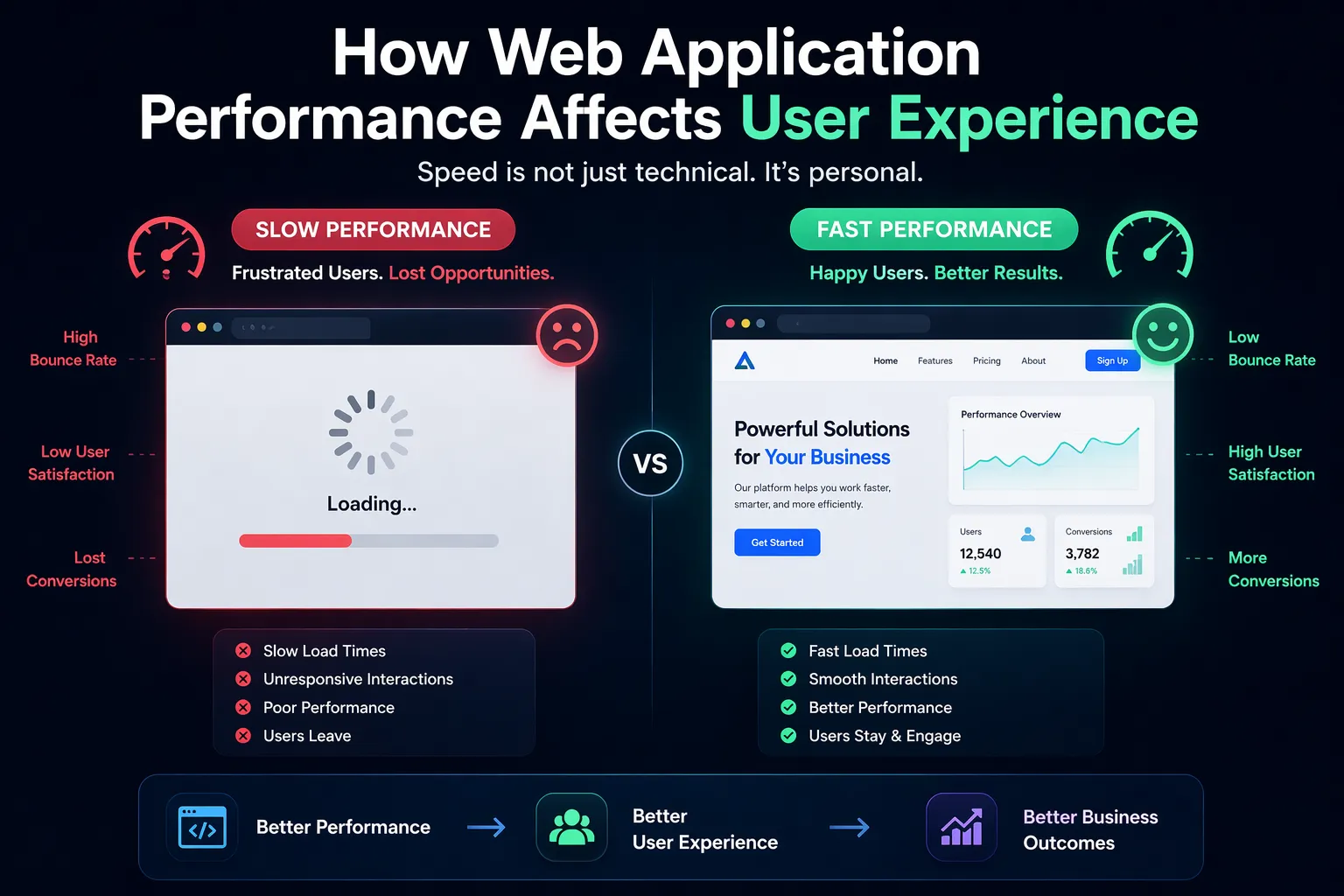
Fast app — people stay, trust you, come back, tell others.
Slow app — people leave, do not return, and pick someone faster.
You can have the best idea, the cleanest design, the most useful features. If the app feels broken in those first few seconds, none of it gets a chance to matter.






























Sign in to leave a comment.