
Artificial intelligence is transforming industries across the UK from fintech hubs in London to healthcare systems in Manchester and retail innovation in Birmingham.
Yet, despite rapid advancements in automation, one truth remains constant: human intelligence still plays a critical role in shaping reliable AI systems.
Human-in-the-loop (HITL) is not a fallback it’s a strategic advantage.
Why is human-in-the-loop essential for AI in the UK?
It combines human expertise with machine learning to improve accuracy, reduce bias, and ensure reliable, ethical AI systems across industries.
Key Takeaways
- Human-in-the-loop enhances AI accuracy and reliability
- Expert annotators provide context and reduce errors
- High-quality data is essential for effective AI performance
- HITL helps address bias and ethical concerns
- Combining human expertise with AI drives better business outcomes
The Human Edge in an AI-Driven UK Economy
Businesses across the United Kingdom are increasingly recognising that expert annotators are essential to building accurate, ethical, and scalable AI solutions.
What is Human-in-the-Loop in AI?
Human-in-the-loop refers to the integration of human expertise into AI training and decision-making processes.
While machine learning models can process vast datasets, they still rely on human input to understand nuance, context, and edge cases.
For example, a logistics firm in Leeds using AI for route optimisation still needs human validation to handle unexpected disruptions like road closures or weather conditions.
Similarly, a healthcare AI system in Edinburgh must rely on expert annotators to ensure patient data is labelled accurately and ethically.
Why Expert Annotators Still Lead
Contextual Understanding Beyond Algorithms
AI models struggle with ambiguity. Human annotators bring contextual awareness that machines cannot replicate.
Whether it’s understanding regional dialects in Glasgow or interpreting customer sentiment in Liverpool, human insight ensures data accuracy.
Higher Data Quality for Better Outcomes
AI is only as good as the data it learns from. Poorly annotated data leads to flawed predictions.
Expert annotators ensure high-quality datasets, improving model performance across applications such as image recognition, natural language processing, and predictive analytics.
Ethical and Bias-Free AI Development
Bias in AI is a growing concern in the UK. Human-in-the-loop systems help identify and correct biases during the training phase.
This is especially crucial in sectors like finance and healthcare, where decisions directly impact lives.
Continuous Learning and Improvement
Unlike static models, HITL systems evolve. Human feedback loops allow AI systems to learn from mistakes and adapt over time, making them more reliable and efficient.
Key Services Supporting Human-in-the-Loop AI
Data Annotation Services
High-quality data annotation is the foundation of effective AI.
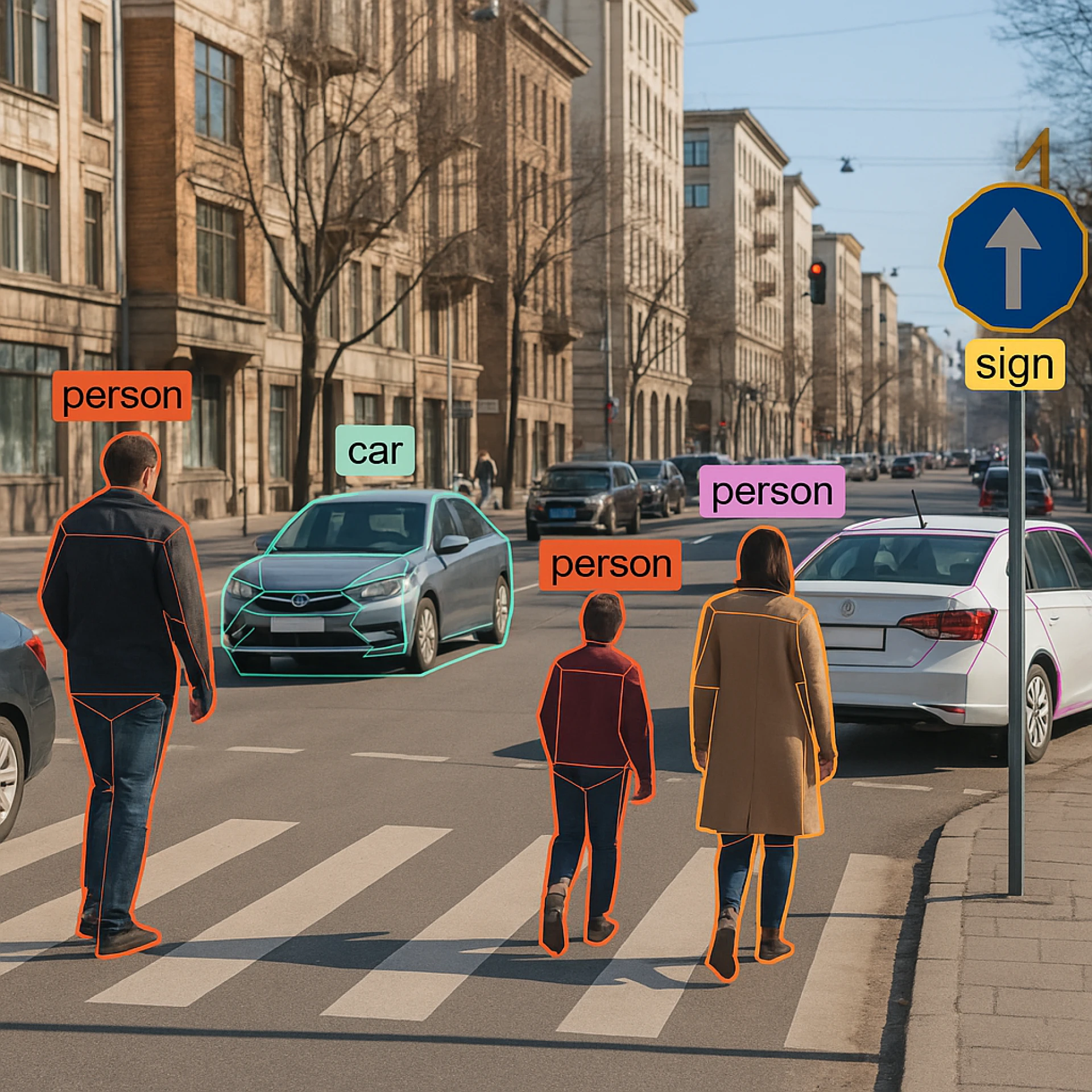
Services include image labelling, text annotation, video tagging, and audio transcription critical for industries such as autonomous vehicles and eCommerce.
AI Training Data Solutions
Curated datasets tailored to specific business needs ensure that AI models are trained effectively.
These solutions help companies in cities like Bristol and Cambridge accelerate AI deployment.
Quality Assurance and Validation
Human validation ensures that AI outputs meet accuracy standards. This is particularly important in regulated industries across the UK.
Custom AI Data Pipelines
End-to-end data pipeline solutions integrate annotation, validation, and model training, enabling seamless AI development and scalability.
Real-World Application in the UK
Consider a fintech company in London developing fraud detection systems.
While AI can flag suspicious transactions, human annotators are needed to validate patterns and reduce false positives. This combination improves customer trust and operational efficiency.
Similarly, a healthcare provider in Birmingham using AI for diagnostics relies on expert-labelled medical data to ensure accuracy.
Without human oversight, the risk of misinterpretation increases significantly.
How to Choose the Right HITL Partner
Selecting the right human-in-the-loop partner can define the success of your AI initiatives. UK businesses should look for:
- Domain expertise in relevant industries
- Scalable annotation capabilities
- Strong quality assurance processes
- Compliance with UK data protection regulations
- Proven experience with AI-driven projects
A reliable partner ensures that your AI systems are not only intelligent but also trustworthy.
Frequently Asked Questions
1. What is human-in-the-loop in AI?
Human-in-the-loop is a process where human experts assist in training, validating, and improving AI models to ensure accuracy and reliability.
2. Why are expert annotators important for AI?
They provide context, improve data quality, and help reduce bias, leading to better-performing AI systems.
3. Is human-in-the-loop necessary for all AI projects?
While not always mandatory, it is highly recommended for projects requiring high accuracy, ethical considerations, and continuous improvement.
Conclusion
AI may be transforming the UK business landscape, but it is human expertise that ensures its success.
Human-in-the-loop systems bridge the gap between machine efficiency and human intelligence, enabling organisations to build smarter, safer, and more effective AI solutions.
As industries across the United Kingdom continue to adopt AI, the role of expert annotators will only become more vital.
By investing in high-quality data annotation and human oversight, businesses can unlock the true potential of AI—without compromising on accuracy or ethics.




























Sign in to leave a comment.