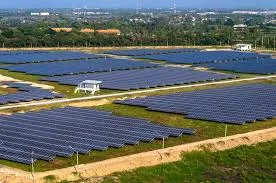

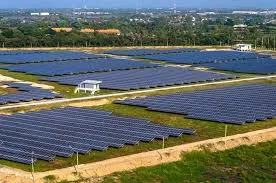
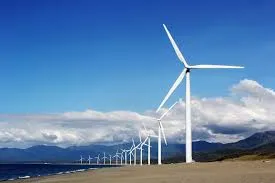
Ever stood near a wind farm on a calm afternoon? The blades just... sit there. Meanwhile the solar panels next to them are working flat out. Flip to a cloudy monsoon evening and it's the exact opposite- the sun's gone, but the wind is howling.
That little see-saw is the whole reason hybrid power plants exist.
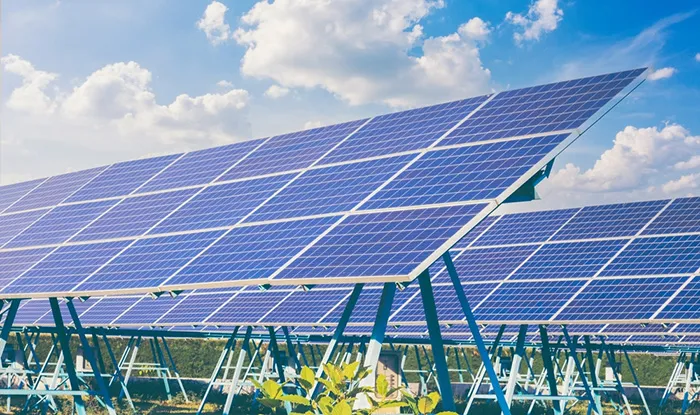
Here's the simple version. Solar works when the sun's up. Roughly eight or nine hours, then nothing. Wind is moodier- it often kicks in at night and runs strong through the monsoon, right when solar gives up. Each one has gaps. Put them together and they cover for each other.
So which generates more, more often? Hybrid. Easily.
And "more often" is the bit people miss. It's not just about total power- it's about how many hours of the day you're sending electricity to the grid at all. A solar-only plant goes quiet by sunset, which is exactly when everyone gets home and demand shoots up. Awkward timing.
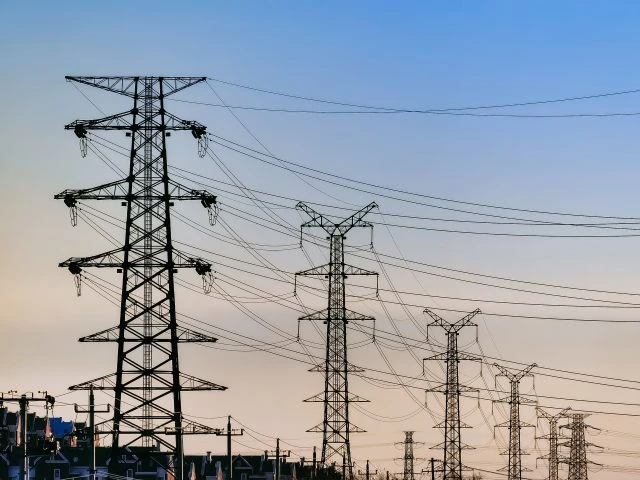
There's a sneakier advantage too. The priciest part of any plant is usually the grid connection- the wires and the substation. A standalone plant uses that costly line for a few hours a day, then leaves it idle. A hybrid pushes solar and wind through the same connection, so it stays busy far longer. Same setup, more output.
Quick reality check, though. A hybrid isn't just two plants stacked on one plot. You have to size the solar-to-wind ratio right, sometimes add batteries for round-the-clock supply, and that takes people who've built both before. Done carelessly, it underperforms.
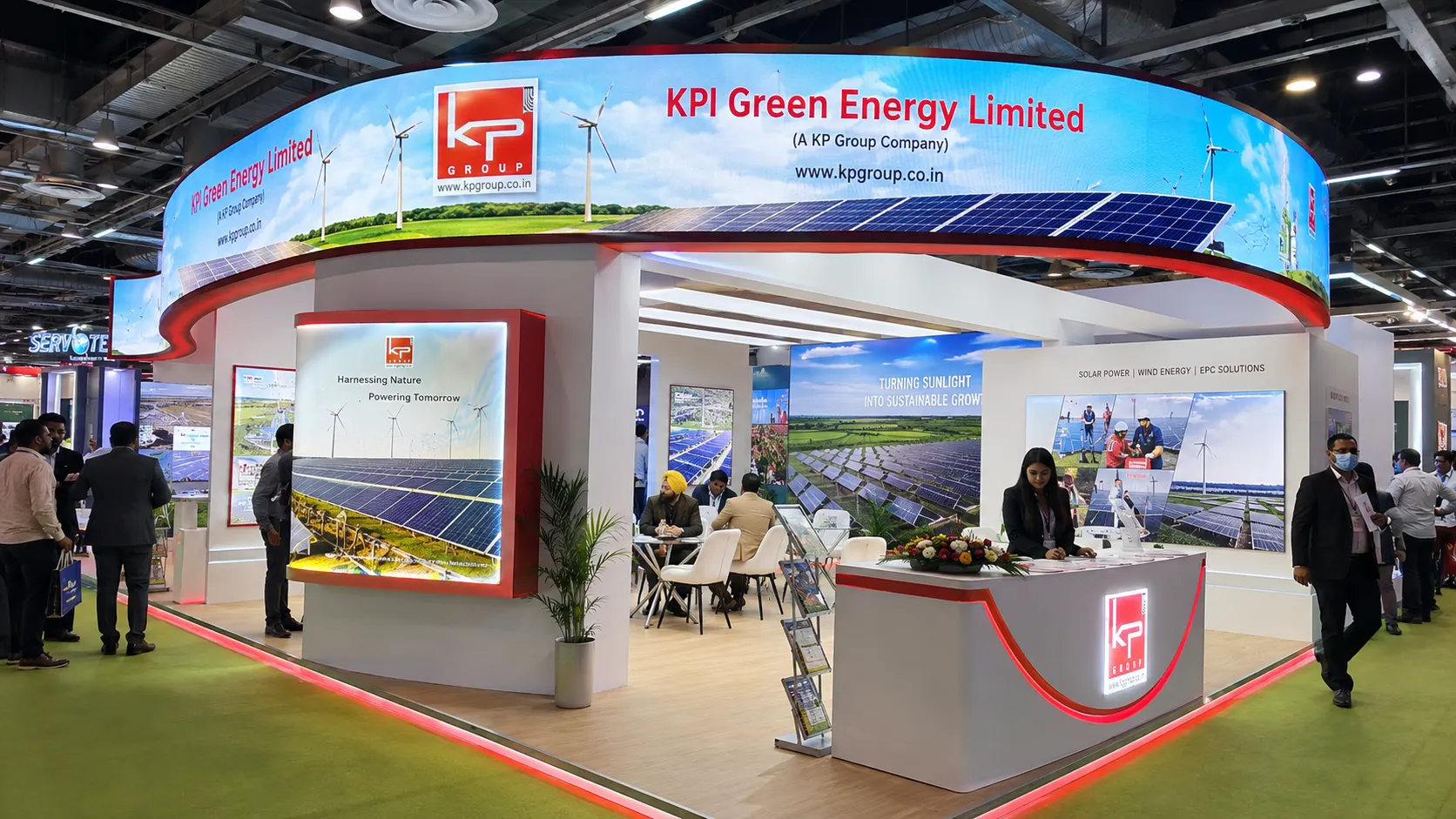
This is where Gujarat gets interesting. The state has some of India's best sunlight and strongest coastal wind, often on the same stretch of land- a rare pairing. That's the natural edge a Solar, Wind & Hybrid Energy Company in Gujarat is working with. Not marketing. Just geography doing the heavy lifting.The KP Group is a good example of such a company.
So if you're sizing up a project, don't only ask what a unit costs. Ask the better question: how many hours of the year will this thing really run?
For most sites, hybrid power plants give you the answer you're hoping for.

























Sign in to leave a comment.