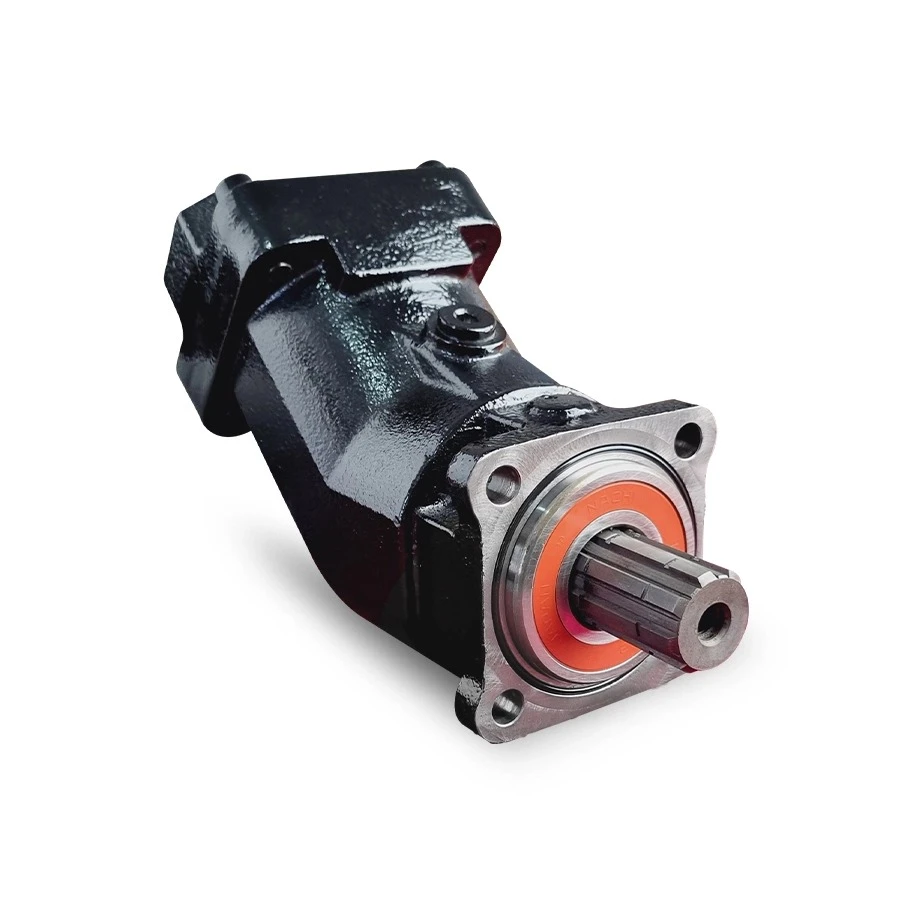

Hydraulic pumps are the beating heart of every hydraulic system, responsible for converting mechanical energy into hydraulic energy. Whether used in mobile equipment, industrial machinery, agricultural vehicles, or construction tools, hydraulic pumps enable controlled movement and force by generating the fluid flow that powers actuators, cylinders, and motors.
This article offers a comprehensive look at what hydraulic pumps are, how they work, their types, and why selecting the right one is essential for system performance.
What Is a Hydraulic Pump?
A hydraulic pump moves hydraulic fluid through a closed-loop system, creating the flow necessary to operate various components. It doesn't generate pressure by itself—pressure builds when flow meets resistance, such as in a hydraulic cylinder or motor.
The pump draws fluid from a reservoir and sends it through valves and lines to drive mechanical motion. This process is essential for everything from lifting and steering to pressing and powering machinery.
How Hydraulic Pumps Work
Hydraulic pumps operate in three main phases:
- Intake/Suction: As the pump rotates, a vacuum draws hydraulic fluid from the reservoir.
- Displacement: Fluid is captured between moving parts (gears, pistons, or vanes).
- Discharge: The fluid is pushed into the hydraulic system to create force or motion.
The amount of fluid moved per cycle is known as pump displacement. Pumps can be:
- Fixed Displacement – Consistent flow per rotation
- Variable Displacement – Adjustable flow to match demand
Main Types of Hydraulic Pumps
1. Gear Pumps
- External gear and internal gear designs
- Simple, cost-effective, and reliable
- Ideal for low- to medium-pressure systems
- Used in tractors, loaders, and light industrial machinery
2. Piston Pumps
- Available in axial and radial configurations
- High efficiency and pressure capacity (up to 6000 psi)
- Common in heavy-duty applications: excavators, hydraulic presses, aerospace systems
3. Vane Pumps
- Smooth and quiet operation
- Suitable for medium-pressure systems
- Often used in machine tools, automotive, and plastic molding machines
Benefits of Hydraulic Pumps
✅ High Power Density – Deliver significant force from a compact unit
✅ Precision – Accurate control of pressure and flow
✅ Efficiency – Especially with variable displacement pumps
✅ Durability – Built for rugged and continuous-duty environments
✅ Versatility – Adaptable to a wide range of machinery and industries
Where Are Hydraulic Pumps Used?
Hydraulic pumps are used in nearly every industry that requires force or motion. Common applications include:
- Agriculture – Tractors, harvesters, and irrigation systems
- Construction – Excavators, bulldozers, skid steers
- Industrial Manufacturing – Presses, CNC machines, injection molding
- Aerospace & Defense – Landing gear, flight control systems
- Marine – Hydraulic steering and deck machinery
- Automotive & Transport – Power steering and suspension systems
Choosing the Right Hydraulic Pump
When selecting a hydraulic pump, consider the following factors:
- Flow Rate (L/min or GPM) – Determines system speed and actuator responsiveness
- Operating Pressure (bar or psi) – Must match system demands without overloading components
- System Type – Open-loop or closed-loop systems may require different pump designs
- Fluid Compatibility – Ensure seals and materials match the fluid used
- Size and Weight – Especially important in mobile and space-limited systems
- Noise Level and Efficiency – Critical in sensitive or energy-conscious environments
Consulting with a hydraulic expert can help match the right pump to your system’s requirements.
Conclusion
Hydraulic pumps are the foundation of fluid power, enabling powerful and precise operations across industries. Choosing the right pump ensures optimal performance, efficiency, and reliability in your system.



























Sign in to leave a comment.