
Recovery is one of the most overlooked yet crucial aspects of athletic performance and overall wellness. In recent years, ice baths—also known as cold water immersion—have become a go-to recovery tool for athletes, fitness enthusiasts, and even those seeking relief from chronic inflammation. But what does science actually say about ice baths and their effect on inflammation? Let’s take a closer look.
The Basics of Inflammation
Inflammation is the body’s natural response to stress, injury, or infection. It serves as a protective mechanism, signaling the immune system to start repairing damaged tissues. In the short term, inflammation is beneficial. However, when it becomes excessive or chronic, it can hinder recovery and contribute to long-term health issues such as joint pain, cardiovascular disease, or autoimmune conditions.
For athletes and active individuals, inflammation often shows up in the form of muscle soreness, swelling, and reduced range of motion after intense exercise. Managing this response effectively can mean faster recovery times and better performance in the long run.
How Ice Baths Work
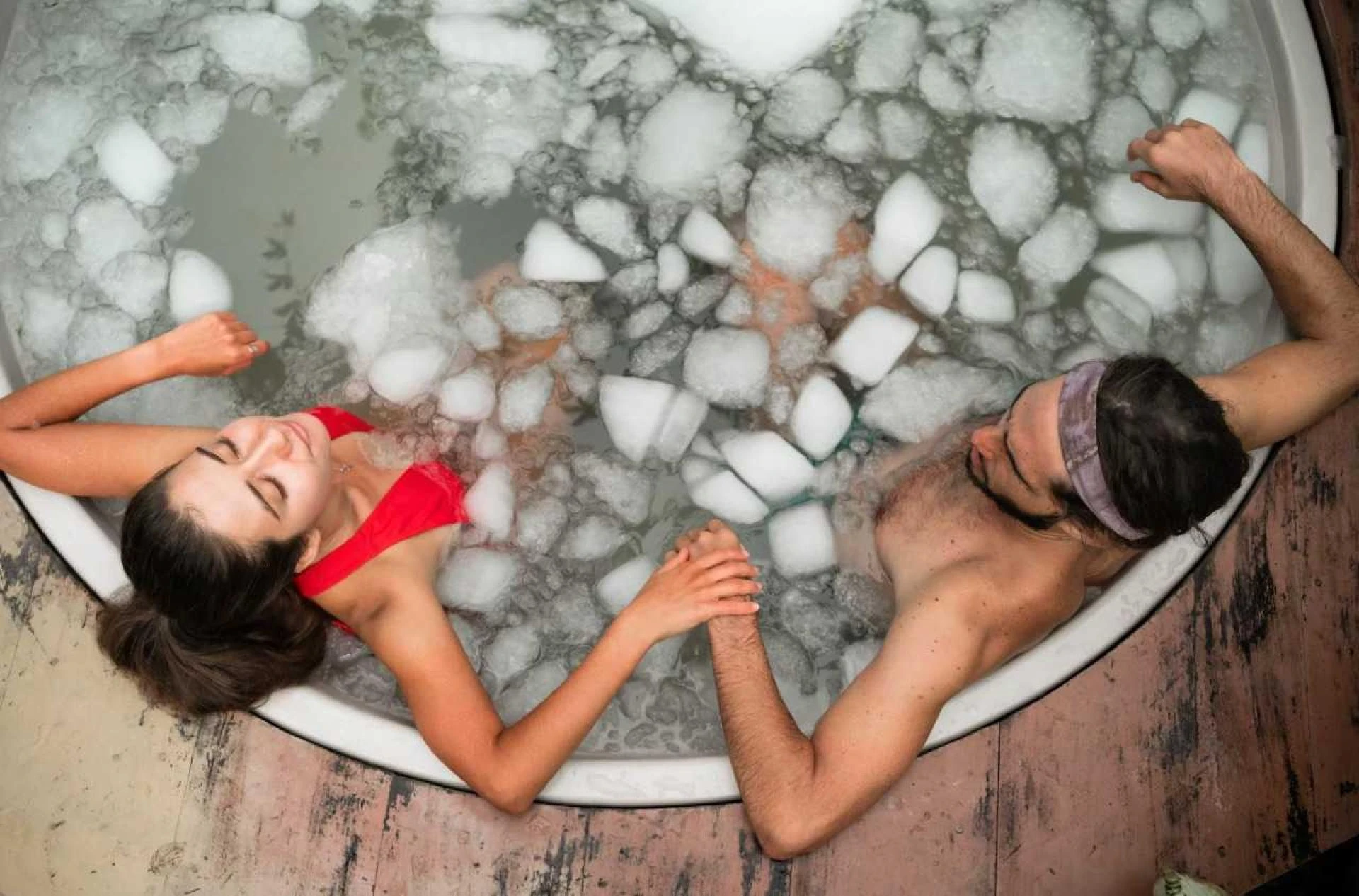
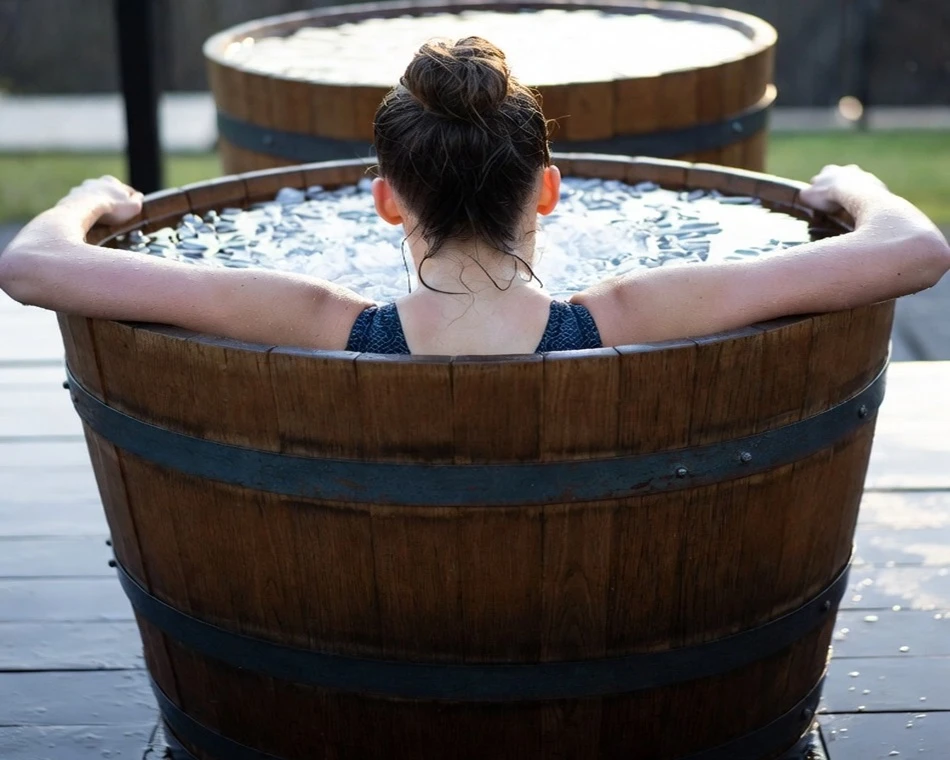
Ice baths involve immersing the body in cold water, usually between 10–15°C (50–59°F), for around 10–15 minutes. The cold exposure is thought to:
- Constrict blood vessels: This reduces blood flow to muscles and joints, limiting swelling and tissue breakdown.
- Reduce metabolic activity: Cooler temperatures slow down cellular processes, which may decrease inflammation at the microscopic level.
- Numb nerve endings: Cold acts as a natural analgesic, temporarily reducing pain perception.
- Trigger hormetic stress: Repeated cold exposure stimulates adaptive responses, strengthening resilience over time.
What the Research Says
The evidence around ice baths and inflammation is mixed, but several key findings stand out:
1. Reduced Muscle Soreness
Multiple studies show that ice baths can reduce delayed-onset muscle soreness (DOMS) in the 24–48 hours following intense exercise. This is particularly useful for athletes training multiple times per week, as it allows them to bounce back faster.
2. Impact on Inflammatory Markers
Some research indicates that cold water immersion lowers levels of C-reactive protein (CRP) and interleukin-6 (IL-6)—biomarkers of inflammation in the body. However, results vary depending on the duration, temperature, and timing of the ice bath.
3. Long-Term Adaptation
Interestingly, while ice baths help in the short term, some studies suggest they might blunt certain long-term training adaptations. For example, resistance training paired with frequent cold exposure could slightly reduce muscle growth compared to passive recovery. This doesn’t mean ice baths are harmful, but they may be best used strategically rather than after every workout.
4. Benefits Beyond Exercise
Beyond sports recovery, ice baths may benefit people dealing with chronic inflammation from conditions such as arthritis, autoimmune disorders, or stress-related inflammation. Cold exposure activates the vagus nerve and the parasympathetic nervous system, promoting relaxation and lowering systemic inflammation.
Best Practices for Ice Baths
If you’re considering incorporating ice baths into your recovery routine, here are some science-backed guidelines:
- Temperature: Aim for 10–15°C (50–59°F). Anything colder may increase discomfort without added benefits.
- Duration: 10–15 minutes is ideal. Longer isn’t always better and may cause excessive stress on the body.
- Timing: Post-workout sessions work best for reducing soreness. For building resilience, morning or non-training days are a good option.
- Frequency: Use them strategically—after especially intense sessions or competitions, rather than after every workout.
The Bottom Line
The science suggests that ice baths can be an effective tool for reducing inflammation, alleviating soreness, and speeding up recovery in the short term. While they may slightly dampen long-term muscle adaptation if overused, they remain a powerful recovery method when applied strategically.
For athletes, weekend warriors, or anyone looking to manage inflammation and enhance overall well-being, cold water immersion is more than just a trend—it’s a practice with real, science-backed benefits.
A Smarter Way to Take the Plunge
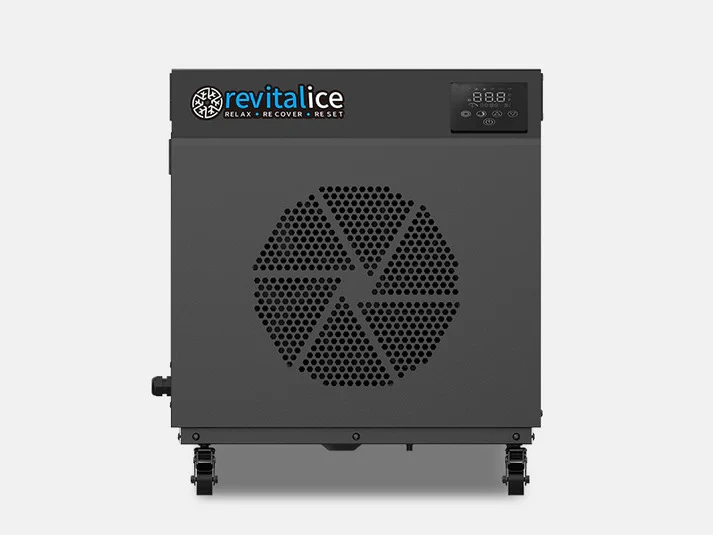
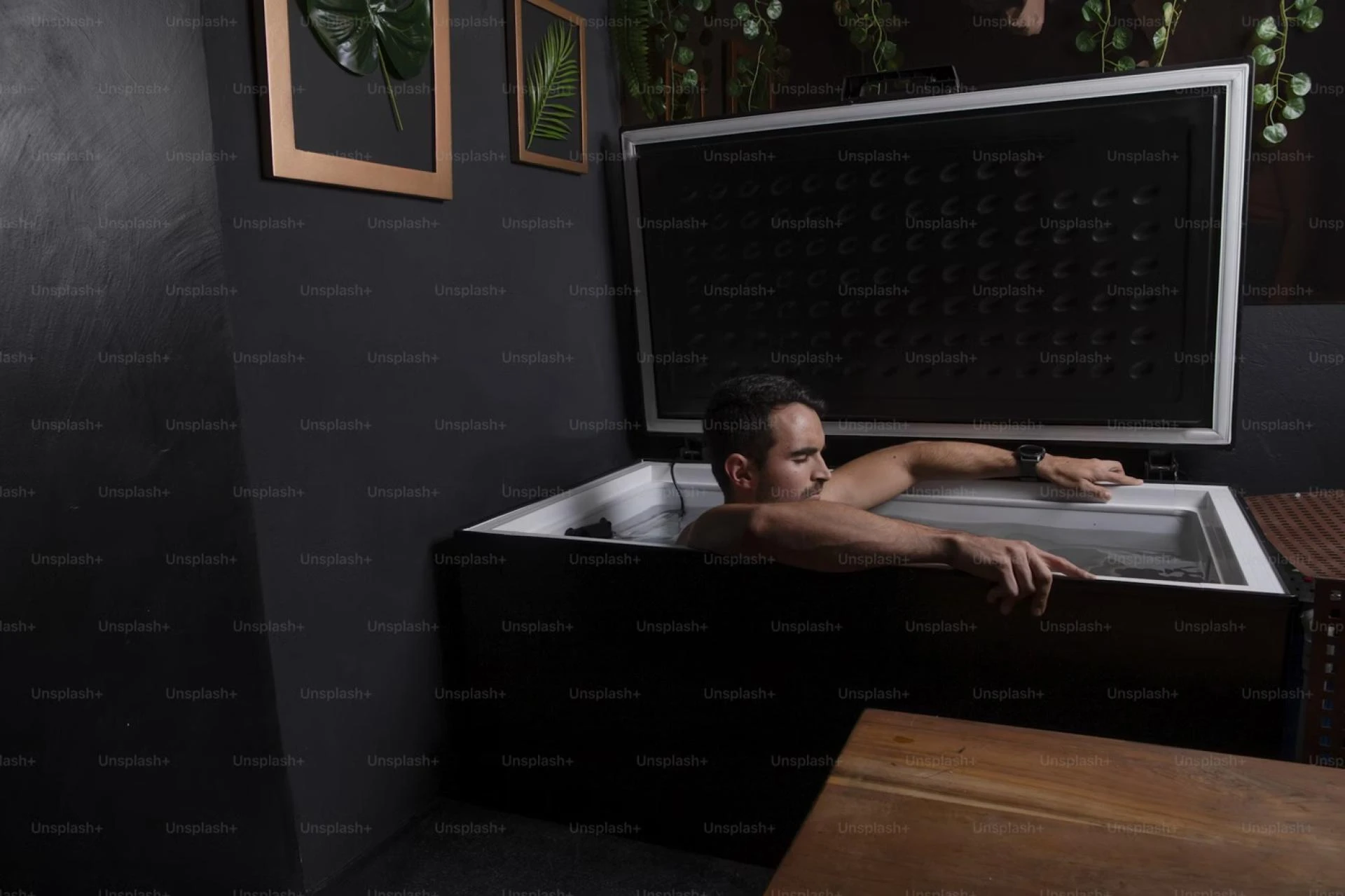
If you want to make ice baths a consistent part of your recovery routine, investing in the right equipment can make all the difference. Rather than relying on bags of ice or makeshift tubs, consider the Revitalice Ice Bath Chiller. It provides precise temperature control, consistent cooling, and the convenience of at-home recovery whenever you need it.
With the right setup and smart use, ice baths can be a game-changer in your fight against inflammation.





















Sign in to leave a comment.