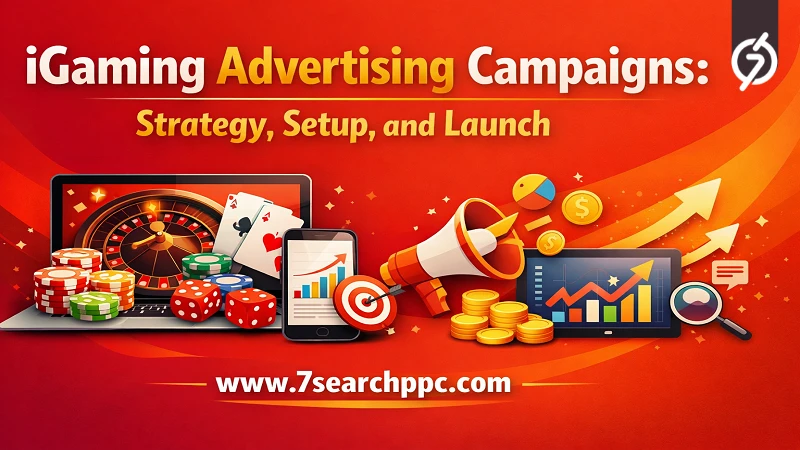

The iGaming industry is expected to reach $127.3 billion by 2027, but here's the kicker: most operators are still burning budget on generic ad strategies that worked five years ago. The platform may have changed, but the fundamental mistake hasn't—advertisers are still treating iGaming Advertising like any other vertical, and that's exactly where they lose.
If you've been in this space long enough, you know the pain. You launch a campaign with solid creatives, decent targeting, and a respectable budget. Week one looks promising. Week two, your CPA climbs. By week three, you're hemorrhaging money on clicks that don't convert, and your compliance team is flagging half your creatives. Sound familiar?
Here's what most advertisers miss: iGaming isn't just regulated—it's hyper-competitive, audience-saturated, and creatively restricted all at once. You're not just competing for attention; you're fighting for trust in a space where consumers have seen every trick in the book. The platforms offering iGaming Advertising know this, which is why specialized networks have become less of a luxury and more of a necessity for serious operators.
The solution isn't louder ads or bigger budgets. It's smarter positioning, tighter targeting, and creative that doesn't scream "casino" but still converts like one. Let's break down how to actually build campaigns that work in 2025.
Create Your Own Winning iGaming Ad Campaign
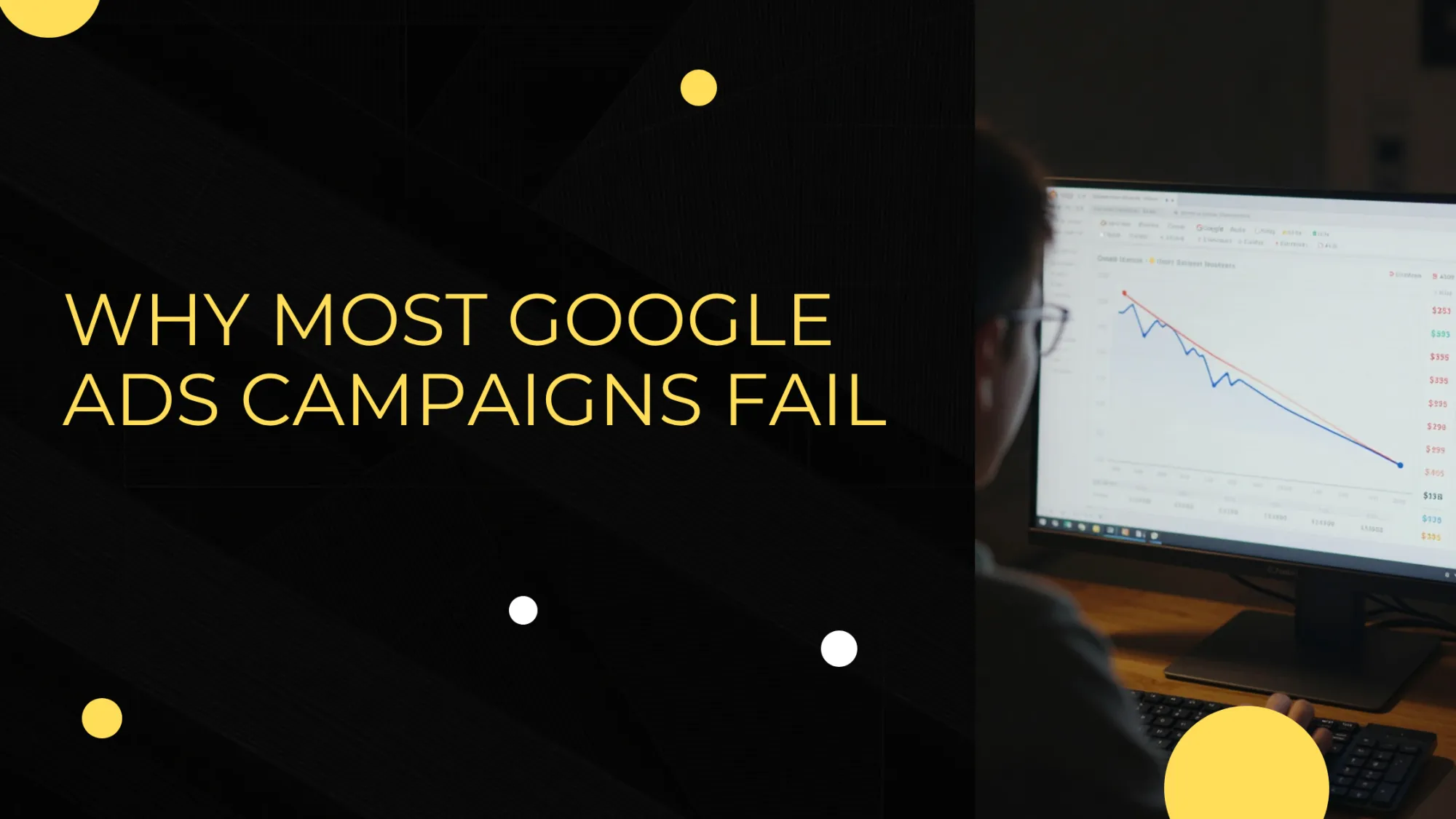
Why Most iGaming Advertising Campaigns Fail Before They Start
Let's be honest—most iGaming Advertising Campaign strategies are built on assumptions rather than data. Advertisers assume their audience behaves like retail shoppers, or worse, like sports bettors from 2019. Neither is true anymore.
The average iGaming user today is browsing on mobile, has ad blockers enabled half the time, and has probably signed up (and churned) from at least three competitors already. They're not looking for the flashiest bonus; they're looking for reasons to trust you. And trust doesn't come from a 200% welcome offer plastered across a banner ad.
Here's where it gets interesting: the best iGaming ads don't actually look like gambling ads. They look like entertainment, sports commentary, or even lifestyle content. They blend into the feed, spark curiosity, and then deliver value before the hard sell. That's not by accident—it's by design.
Building Campaigns That Actually Convert
Let's start with what works. Strategy in iGaming advertising is about layering intent, not chasing volume. You need to understand where your audience is in their decision journey and meet them there with the right message.
Audience Segmentation That Matters
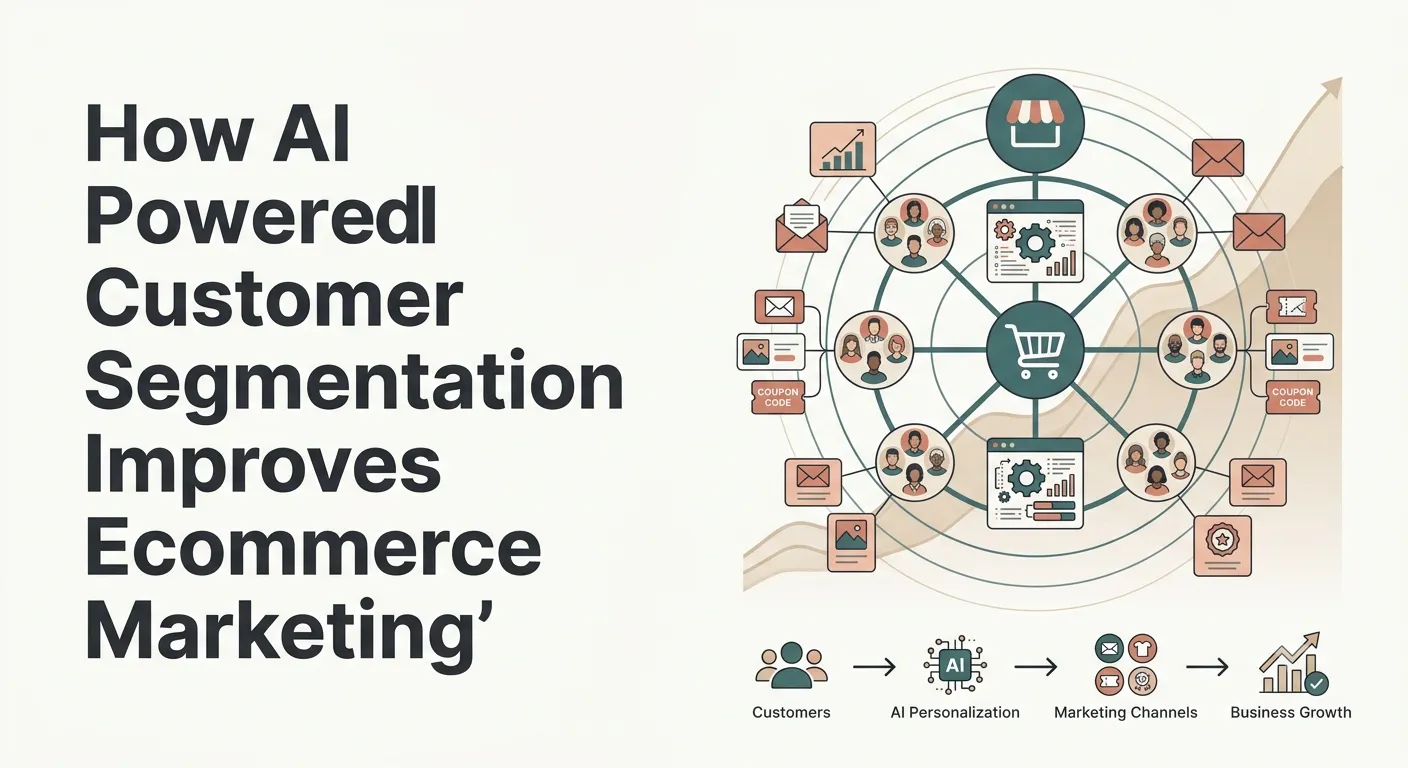
Forget broad demographics. In Online iGaming Advertising, you need to segment by behavior: first-time depositors vs. high rollers, sports bettors vs. casino players, mobile-first users vs. desktop loyalists. Each segment needs a different creative approach, landing page, and offer structure.
For example, a first-time depositor isn't going to respond to a VIP loyalty program ad. They need education, reassurance, and a low-friction entry point. Meanwhile, a high roller wants exclusivity, faster withdrawals, and personalized service. Same vertical, completely different campaigns.
Creative That Breaks Through (Without Breaking Rules)
This is where most teams get stuck. Compliance restrictions limit what you can say, how you can say it, and where you can show it. But constraints breed creativity—if you know how to work with them.
Creative iGaming Ads today lean into storytelling, social proof, and emotion. Think user testimonials, behind-the-scenes looks at how the platform works, or even educational content about responsible gaming. Yes, you can make compliance sexy if you frame it right.
One underrated tactic: ads for iGaming that don't mention gambling at all in the first three seconds. Start with a hook related to entertainment, sports, or community, then transition into your offer. The best creatives feel native to the platform they're on—because they are.
Platform Selection and Budget Allocation
Not all platforms are created equal for iGaming. While Google and Meta dominate general advertising, they come with heavy restrictions and rising CPMs for gambling-related content. This is where specialized networks shine—they're built for this vertical, with pre-vetted traffic sources, compliance-friendly formats, and audiences already primed for iGaming Advertisement content.
When planning iGaming Advertising Services, consider splitting your budget: 40% to brand awareness on traditional channels, 40% to conversion-focused campaigns on specialized networks, and 20% to testing new creatives and angles. This keeps your funnel balanced while giving you room to innovate.
The Technical Side Nobody Talks About
Here's where campaigns live or die, and most advertisers don't even realize it. Setup isn't just about uploading creatives and hitting "launch." It's about tracking, attribution, and making sure your data actually tells you what's working.
Tracking and Attribution in a Privacy-First World
With iOS privacy updates and cookie restrictions, traditional tracking is broken. If you're still relying on last-click attribution, you're blind to 60% of your funnel. You need probabilistic modeling, server-side tracking, and a solid understanding of incrementality testing.
The good news? Platforms that specialize in ads iGaming often have this built in. They've adapted to privacy changes faster than general networks because they had to. When evaluating a platform, ask about their attribution model, how they handle iOS traffic, and what kind of reporting granularity they offer.
Landing Page Optimization
Your ad can be perfect, but if your landing page is slow, confusing, or doesn't match the ad's promise, you've already lost. In iGaming, you have about three seconds to prove legitimacy before a user bounces.
Best practices: mobile-first design, trust signals above the fold (licenses, security badges, payment options), and a single clear CTA. Don't overwhelm users with 10 different games or offers—guide them to one action that matches their intent.
Budget Pacing and Bid Strategy
iGaming is competitive, which means CPMs and CPCs fluctuate wildly depending on time of day, day of week, and even sporting events. If you're running iGaming PPC campaigns, automated bidding can burn through your budget in hours during peak times.
Manual bid adjustments, dayparting, and geo-based pacing give you more control. Start conservative, gather data for 7-10 days, then scale what's working. Don't try to win every auction—try to win the profitable ones.
Going Live Without Going Broke
Launch day is exciting, but it's also where most mistakes happen. You've built the strategy, set up the tracking, and your creatives are approved. Now what?
Phased Rollout vs. Full Send
If you're testing a new market or creative angle, don't dump your entire budget on day one. Start with 20-30% of your planned spend, monitor performance closely, and scale only when you hit your target KPIs. This approach lets you catch issues early—whether it's a broken tracking pixel, non-converting traffic sources, or creative fatigue.
For established campaigns, you can be more aggressive, but even then, keep a reserve budget for optimizations and pivots.
Monitoring and Optimization
The first 48 hours will tell you a lot. Watch your CPM, CTR, conversion rate, and most importantly, your CPA by traffic source. If a specific placement or demographic isn't converting, cut it. If something's working better than expected, increase its budget immediately.
Don't wait for weekly reports to make changes. In iGaming, momentum matters, and 72 hours of bad spend can kill an entire month's profitability.
When to Scale vs. When to Pause
Scaling isn't just about adding budget. It's about adding budget to what's working while maintaining efficiency. If your CPA is on target at $100/day, increasing to $1,000/day might not give you 10x the results—it might just drive up your costs.
Test incremental scaling (20-30% increases weekly) and watch for performance drops. If your CPA increases by more than 15% after a budget increase, you've hit a ceiling. Time to diversify into new creatives, audiences, or platforms instead.
Ready to put this into action? You can launch your iGaming ad campaign today with the right tools and strategy in place. The platform you choose matters as much as the creative you run—make sure it's built for this vertical from the ground up.
What Actually Works in 2025
Let's cut through the theory and talk about what's driving results right now. Video ads with storytelling hooks, native placements that don't feel like ads, and retargeting campaigns focused on deposit friction points. These aren't revolutionary tactics, but they're consistently outperforming traditional banner and display ads.
Another underrated play: content-driven campaigns. Instead of pushing a bonus code, push a piece of content (blog, video, quiz) that educates and entertains, then retarget engaged users with your offer. It's a longer funnel, but the conversion rates and LTV are significantly higher.
If you're looking to refine your approach with online iGaming ads, the key is testing, iteration, and not being afraid to kill what's not working—even if you spent three weeks building it.
Wrapping It Up
Look, iGaming advertising isn't easy, and anyone who tells you it is probably hasn't run a campaign in the last two years. It's competitive, regulated, and constantly evolving. But that's also what makes it interesting. The operators who win aren't the ones with the biggest budgets—they're the ones who adapt fastest, test smartest, and actually listen to what their data is telling them.
You don't need to reinvent the wheel here. You just need to stop using the same wheel everyone else is using and expect different results. Build campaigns that respect your audience's intelligence, track everything, and optimize relentlessly. Do that, and you'll be ahead of 80% of your competition.
Now go run some ads.
Frequently Asked Questions (FAQs)
What makes iGaming advertising different from other verticals?
Ans. Strict compliance regulations, high competition, and audience skepticism require more trust-building and creative nuance than most industries. You can't rely on aggressive tactics alone.
How much budget do I need to test an iGaming ad campaign?
Ans. Start with at least $2,000-$5,000 for a meaningful test. Anything less won't give you enough data to optimize effectively, especially in competitive markets.
What's the best platform for iGaming ads in 2025?
Ans. It depends on your goals. Specialized iGaming ad networks offer better compliance support and pre-qualified traffic, while traditional platforms give you scale once you've dialed in your creative and targeting.
How do I improve my iGaming ad conversion rates?
Ans. Focus on landing page speed, trust signals, and matching your ad's promise to your landing page experience. Also, segment your audience properly—don't send everyone to the same generic page.
Can I run iGaming ads on Facebook and Google?
Ans. Yes, but with heavy restrictions. You'll need proper licenses, geo-targeting compliance, and approved ad accounts. Many advertisers find specialized networks easier to work with, especially when starting out.






















Sign in to leave a comment.