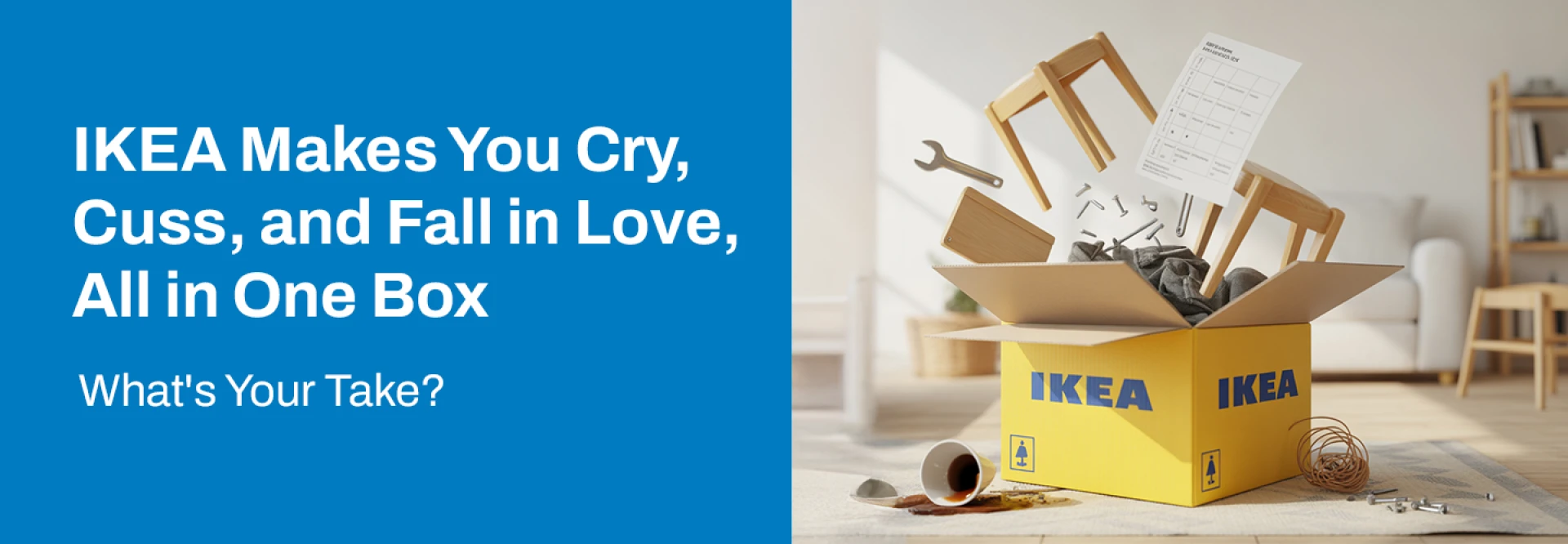

There’s something about IKEA that goes far beyond its flat-packed boxes and Scandinavian designs. Maybe it’s the hours spent decoding the instruction manual, or the sense of achievement that comes with completing a piece of furniture. But for many, IKEA is more than just a store — it’s an experience that stays with you long after the assembly is done.
To understand what IKEA truly means to people, The Panel Station conducted a survey across seven countries: India, Australia, the USA, KSA, UAE, South Africa, and the UK. The responses revealed a fascinating mix of emotions, habits, and cultural connections.
IKEA as a Cultural Experience
In India, IKEA represents a new wave of modern living — simple, stylish, and accessible. The young urban crowd sees it as a gateway to global aesthetics. In the UK, it’s tradition; entire generations have grown up flipping through IKEA catalogs. The USA views it as a practical solution, Australia sees it as part of a lifestyle, while regions like South Africa and the UAE value its combination of affordability and status appeal.
Across all markets, one thing remains consistent: an IKEA trip feels symbolic. Whether it’s your first apartment or a new family home, shopping for IKEA products often marks a milestone. It’s the moment you realize you’re officially an adult — assembling your own wardrobe instead of relying on your parents.
Why People Choose IKEA
When respondents were asked why they prefer IKEA products, the answers echoed a familiar theme: affordability, convenience, and stylish design. But beneath these practical reasons lies a deeper emotional connection.
Buying IKEA isn’t just acquiring a piece of furniture — it’s choosing a color, a design, a vibe, and then bringing it to life. There’s an undeniable thrill in the process, even when it involves deciphering graphics that resemble ancient hieroglyphics. From the cinnamon-roll aroma in the store to the mock apartments that spark home-decor dreams, IKEA creates an entire sensory experience.
And yes, the Swedish meatballs are part of the ritual too.
The Emotional Influence of IKEA DIY
One of the most interesting insights from the survey revolves around IKEA DIY assembly. When people were asked how they felt about building their furniture, reactions ranged from excitement to exhaustion. Yet, a single word stood out across countries — accomplished.
Psychologists call this the IKEA Effect: the tendency to value things more when we’ve invested time and effort into making them. For many, assembling IKEA products becomes a personal memory — a couple building a bookshelf together or a family assembling a dining table that becomes part of daily life.
Still, not everyone loves the DIY part. A segment of respondents admitted they would happily pay extra for pre-assembled furniture. Convenience matters, especially in busy modern lifestyles. But overall, people said the DIY process adds character and meaning.
Would IKEA Be the Same Without DIY?
This question sparked mixed reactions. Many respondents said they would still buy IKEA products for their affordability and design. However, a significant portion admitted that without the DIY experience, IKEA would lose part of its charm. The satisfaction of saying “I built this myself” is central to the brand’s emotional appeal.
Others, particularly those traumatized by a complex MALM dresser, confessed they would prefer pre-assembled options — but they were clearly in the minority.
Why People Keep Coming Back
Despite occasional frustration, the majority keep returning to IKEA. The store layout, modern designs, affordability, and hands-on interaction make it hard to resist. Walking through the store feels like stepping into a new version of your own life — each display whispering, “This could be your home.”
People love IKEA products not only because they’re practical but because they’re adaptable. They suit apartments, dorms, family homes, and constantly changing lifestyles.
Final Thought
IKEA holds a unique place in the modern home. It blends convenience with creativity, affordability with style, and effort with reward. The DIY element, whether loved or dreaded, fosters emotional ownership. And maybe that’s why people continue returning, even after losing a screw or spending hours on assembly.
Because deep down, we know this: good things — even IKEA furniture — often come in pieces. And when we build them ourselves, they become more meaningful.























Sign in to leave a comment.