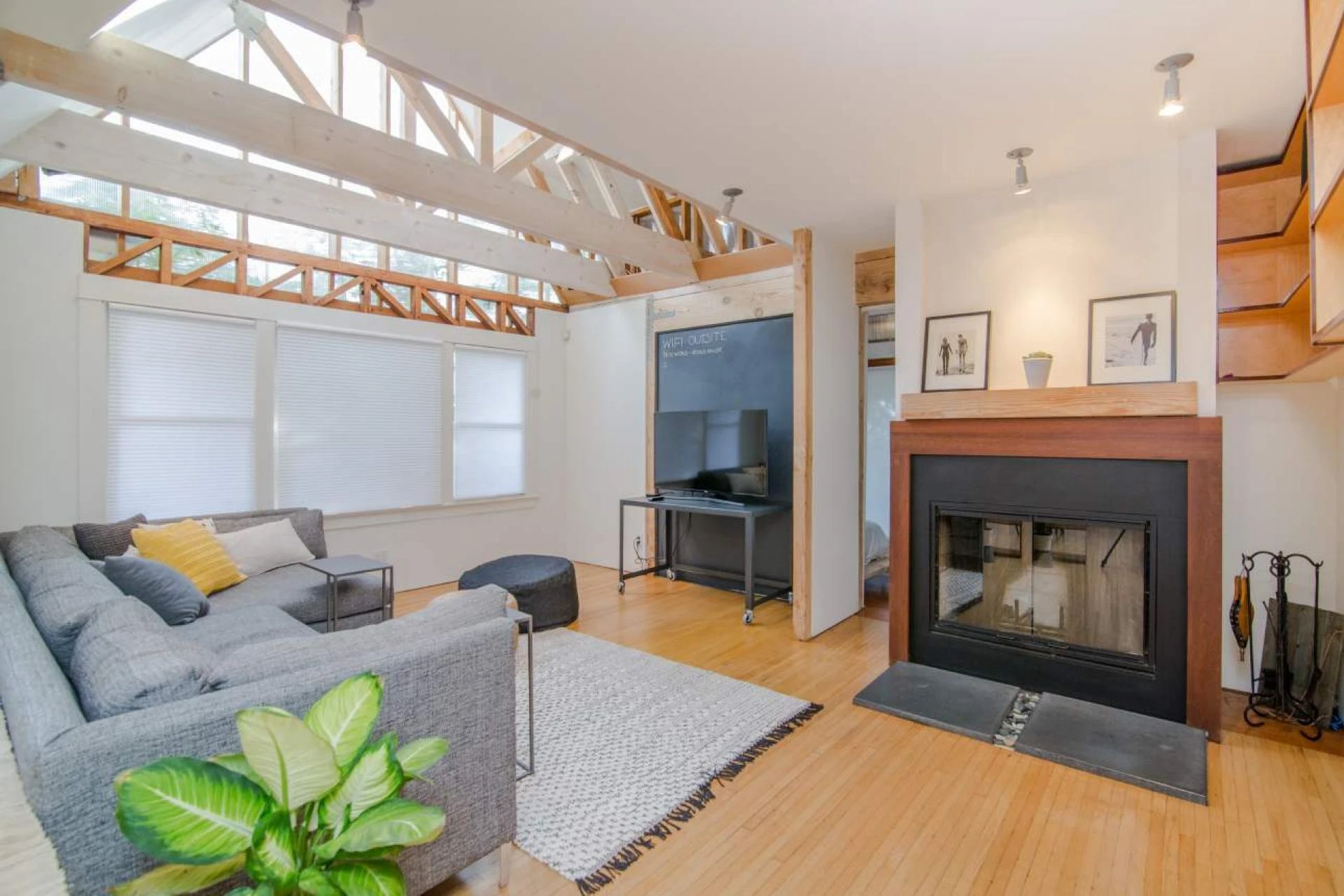

In an era where climate change and environmental degradation have become pressing global concerns, the concept of sustainable living has gained significant attention. As individuals, we have the power to make conscious choices that positively impact the environment, and one such choice is opting for a sustainable home. Sustainable homes, also known as green homes or eco-friendly homes, are designed to minimise their environmental footprint while providing comfortable and healthy living spaces. The impact of a sustainable home on the environment is far-reaching and can contribute to a more sustainable future for all.
Energy EfficiencyOne of the fundamental aspects of sustainable homes is their focus on energy efficiency. These homes are designed and constructed to reduce energy consumption and reliance on fossil fuels. They employ various strategies, such as incorporating effective insulation, utilising energy-efficient appliances and lighting, and maximising natural light and ventilation. By reducing energy demand, sustainable homes help lower greenhouse gas emissions and mitigate the adverse effects of climate change.
Renewable Energy SourcesSustainable homes often integrate renewable energy systems, such as solar panels or wind turbines, to generate clean and renewable energy on-site. These systems harness the power of the sun or wind and convert it into electricity, reducing the reliance on traditional energy sources. By utilising renewable energy, sustainable homes significantly reduce carbon emissions and promote the transition to a greener and more sustainable energy landscape.
Water ConservationAnother critical aspect of sustainable homes is their focus on water conservation. These homes employ water-saving fixtures and technologies, such as low-flow toilets, efficient irrigation systems, and rainwater harvesting systems. By reducing water consumption and maximising water efficiency, sustainable homes help alleviate the strain on water resources and promote responsible water management.
Materials and ConstructionSustainable homes prioritise the use of environmentally friendly materials and construction techniques. They often incorporate recycled or reclaimed materials, such as reclaimed wood or recycled plastic, to minimise the demand for new resources and reduce waste. Furthermore, sustainable homes promote responsible construction practices that minimise the environmental impact, such as using eco-friendly building materials, implementing proper waste management systems, and considering the life cycle of the materials used.
Indoor Air QualityApart from their positive impact on the external environment, sustainable homes also prioritise the health and well-being of their occupants. They focus on improving indoor air quality using non-toxic building materials, proper ventilation systems, and maintaining healthy humidity levels. By minimising the presence of harmful pollutants and allergens, sustainable homes provide a healthier living environment for the residents.
Sustainable CommunityThe impact of a sustainable home extends beyond its individual benefits. Sustainable homes often form part of larger sustainable communities, promoting a holistic approach to environmental stewardship. These communities often feature shared green spaces, community gardens, and alternative transportation options, encouraging sustainable living practices and fostering community engagement.
The cumulative effect of sustainable homes on the environment is substantial. By reducing energy consumption, utilising renewable energy, conserving water, employing eco-friendly materials, and prioritising indoor air quality, sustainable homes contribute to mitigating climate change, conserving natural resources, and protecting the environment.
As individuals, we can make a difference by choosing sustainable homes that align with our values and contribute to a greener future. Whether through building a new sustainable home or retrofitting an existing one, each sustainable housing choice brings us one step closer to a more sustainable and resilient planet. So, let us embrace the concept of sustainable living and pave the way for a healthier, greener, and more harmonious relationship with our environment.
By adopting sustainable homes, we reduce our ecological footprint and inspire others to follow suit. The impact goes beyond our immediate surroundings and has far-reaching implications for the planet.
One of the significant benefits of sustainable homes is their potential to reduce greenhouse gas emissions. Residential buildings are responsible for a considerable portion of global energy consumption and carbon dioxide emissions. Sustainable homes can significantly decrease their carbon footprint by implementing energy-efficient technologies and renewable energy systems. This reduction in emissions helps combat climate change, a pressing issue that requires collective action from individuals, communities, and governments.
Moreover, sustainable homes serve as exemplars of environmentally conscious living. They provide tangible examples of how a more sustainable lifestyle is not only possible but also practical and comfortable. When friends, family, and neighbours witness the benefits of sustainable homes, they become more inclined to consider eco-friendly practices in their own lives. Thus, sustainable homes act as catalysts for positive change, promoting a ripple effect that extends beyond their immediate impact.
The impact of sustainable homes is not limited to their operational phase. Traditionally associated with significant resource consumption and waste generation, the construction industry can benefit from sustainable practices. Sustainable homes encourage using eco-friendly building materials, such as recycled or locally sourced materials, which reduces the demand for virgin resources. Additionally, sustainable construction practices prioritise waste reduction and proper disposal, minimising the environmental impact of the building process.
Sustainable homes also have the potential to enhance the resilience of communities in the face of environmental challenges. As we witness the increasing frequency and intensity of natural disasters, resilient housing becomes crucial. Sustainable homes are designed to withstand and adapt to these challenges, incorporating features such as storm-resistant materials, backup power systems, and rainwater management techniques. By investing in sustainable homes, communities can enhance their ability to withstand and recover from adverse events, reducing the overall environmental and social impact.
Furthermore, sustainable homes contribute to the preservation of natural resources. By minimising energy consumption and using renewable energy sources, sustainable homes help reduce the need for extracting and depleting finite resources, such as fossil fuels. Additionally, sustainable homes promote responsible water usage and conservation, which is crucial in regions experiencing water scarcity. By embracing sustainable practices, we can protect vital ecosystems, preserve biodiversity, and ensure the availability of resources for future generations.
In conclusion, the impact of a sustainable home on the environment is multi-faceted and profound. Sustainable homes provide numerous environmental benefits by prioritising energy efficiency, renewable energy sources, water conservation, eco-friendly materials, and indoor air quality. They contribute to reducing greenhouse gas emissions, promote responsible resource usage, and inspire others to adopt sustainable practices. Moreover, sustainable homes play a vital role in creating resilient communities that can withstand environmental challenges. By choosing sustainable homes, individuals become agents of positive change, working towards a more sustainable and environmentally conscious future. Let us embrace the opportunities presented by sustainable homes and make a lasting impact on the well-being of our planet.

























Sign in to leave a comment.