
As cryptocurrency adoption continues to grow, security has become one of the most important concerns for investors and digital asset holders. Unlike traditional financial systems where banks manage and protect funds, cryptocurrency users are responsible for securing their own assets. This means choosing reliable tools and storage methods that reduce the risk of hacking, phishing, and unauthorized access.
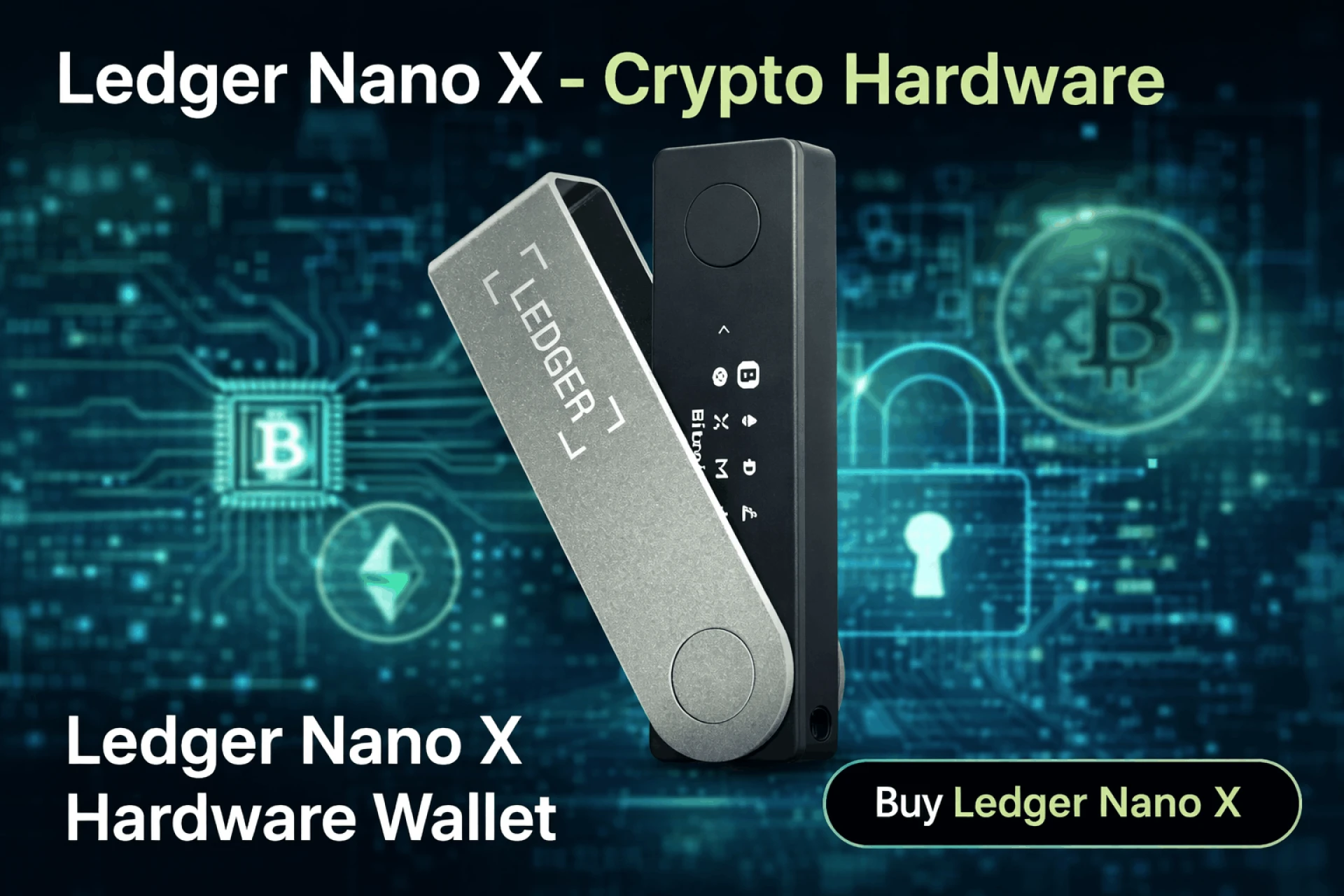
One of the most widely used solutions for protecting cryptocurrency is a hardware wallet. Hardware wallets are designed to store private keys offline, keeping them away from internet-based threats. Among these devices, Ledger Nano X Hardware Wallet has become a popular choice for users who want both strong security and convenient crypto management.
Understanding the key security features behind this device helps explain why hardware wallets are often recommended for safeguarding digital assets.
Offline Private Key Storage
One of the most important security features of the Ledger Nano X Hardware Wallet is its ability to store private keys offline. Private keys are the cryptographic credentials that allow users to access and transfer their cryptocurrency. If someone gains access to these keys, they can move funds without permission.
Many online wallets store private keys on devices connected to the internet. This can expose them to cyber threats such as malware, hacking attempts, or phishing attacks.
Hardware wallets solve this problem by generating and storing private keys within the device itself. Because the keys never leave the device, they remain protected from most online threats.
This offline storage method, commonly referred to as cold storage, significantly improves the overall security of digital assets.
Secure Element Chip Protection
Another important security feature found in the Ledger Nano X Hardware Wallet is the secure element chip. This specialized chip is designed to protect sensitive data in a highly secure environment.
Secure element chips are used in technologies that require strong protection, including credit cards, electronic passports, and identity verification systems. These chips are designed to resist tampering and unauthorized access.
Within the hardware wallet, the secure element stores private keys and performs the cryptographic operations required to sign transactions. Because these operations occur inside the secure chip, private keys are never exposed to external software.
This design provides an additional layer of protection for cryptocurrency holdings.
Physical Transaction Verification
One of the major advantages of hardware wallets is the requirement for physical confirmation of transactions. Whenever a user wants to send cryptocurrency, the hardware wallet displays the transaction details on its screen.
The user must review the recipient address and transaction amount before approving the transaction using the device buttons. This ensures that the transaction cannot proceed without the owner's direct confirmation.
This security feature protects users from malware that might attempt to modify transaction details on a computer or smartphone. Even if the connected device is compromised, the hardware wallet ensures that the final decision remains under the user's control.
Protection Against Malware Attacks
Malware is one of the most common threats faced by cryptocurrency users. Attackers often use malicious software to steal private keys or manipulate transactions.
Because hardware wallets store private keys internally, malware on a connected computer cannot directly access them. The device acts as a secure barrier between the internet and the sensitive data required to access cryptocurrency.
When using Ledger Nano X Hardware Wallet, transactions are signed within the device itself. This means the private key never leaves the secure environment of the wallet, even during the transaction process.
This architecture significantly reduces the effectiveness of many malware-based attacks.
PIN Code Security
Another layer of protection provided by the Ledger Nano X Hardware Wallet is the PIN code system. When the device is first set up, users create a PIN code that must be entered to unlock the wallet.
If someone gains physical access to the device, the PIN prevents them from immediately accessing the stored cryptocurrency. Without the correct PIN, the wallet remains locked.
This feature helps protect assets in case the device is lost or stolen.
Users are encouraged to choose a strong and unique PIN code to maximize security.
Recovery Phrase Backup
During the setup process, the hardware wallet generates a recovery phrase that acts as a backup for the wallet. This phrase usually consists of a sequence of words that can be used to restore access to the wallet if the device is lost or damaged.
The recovery phrase is extremely important because it allows users to recover their funds even if the original device becomes unavailable.
However, the recovery phrase must always be kept private and stored securely. Anyone who gains access to the phrase can control the wallet and its associated assets.
For this reason, users are advised to write the phrase down and store it in a secure physical location.
Support for Multiple Cryptocurrencies
Another feature that adds convenience while maintaining security is support for multiple cryptocurrencies. Many investors hold different digital assets rather than focusing on a single cryptocurrency.
Hardware wallets allow users to manage several cryptocurrencies within one secure device. By installing different applications, users can interact with various blockchain networks while keeping their private keys protected.
This feature simplifies portfolio management while maintaining strong security standards.
Long-Term Asset Protection
Hardware wallets are often used for long-term storage of cryptocurrency. Investors who plan to hold their assets for extended periods prefer storage methods that minimize exposure to online threats.
Keeping large amounts of cryptocurrency on exchanges can increase the risk of hacking incidents. Hardware wallets provide a safer environment because private keys remain offline and under the user's control.
Using Ledger Nano X Hardware Wallet, investors can protect their digital assets while maintaining the ability to access them whenever needed.
Conclusion
As cryptocurrency continues to gain popularity, protecting digital assets has become increasingly important. Private keys represent the ownership of crypto funds, and keeping them secure is essential for preventing unauthorized access.
Hardware wallets offer one of the most reliable ways to safeguard these keys. Through features such as offline storage, secure element technology, physical transaction verification, and PIN protection, hardware wallets provide multiple layers of security.
For individuals seeking a secure method of managing their digital assets, the Ledger Nano X Hardware Wallet offers a practical combination of strong security features and user-friendly functionality.





























Sign in to leave a comment.