
In today's fast-paced digital world, visual communication is more important than ever. Businesses, event organizers, educators, and marketers all rely on advanced display technologies to grab attention and convey information clearly. One of the most popular and powerful solutions for indoor visual display is the Indoor SMD Screen.
Whether it's a shopping mall, a corporate lobby, a control room, or a stage backdrop, indoor SMD screens are redefining how digital content is delivered in enclosed environments. This article will provide an in-depth look at what indoor SMD screens are, how they work, their features, advantages, applications, installation process, and more.
What is an Indoor SMD Screen?
An Indoor SMD Screen is a high-definition LED display made using Surface-Mounted Device (SMD) technology. Unlike traditional LED displays where diodes are mounted separately, SMD technology places red, green, and blue diodes directly onto the surface of a circuit board in a compact unit. This results in sharper visuals, better color accuracy, and a more seamless viewing experience—ideal for indoor settings where clarity and quality are essential.
Key Features of Indoor SMD Screens
Indoor SMD screens are packed with advanced features that make them suitable for a wide range of applications:
✅ High Resolution
- Tight pixel pitch ensures crystal-clear image quality.
- Ideal for close-up viewing in indoor settings.
✅ Slim & Lightweight Design
- Sleek profiles for easy wall mounting or hanging.
- Minimal space consumption.
✅ Seamless Display
- No visible gaps between panels.
- Provides a fluid and immersive experience.
✅ Wide Viewing Angle
- Uniform brightness and color from various angles.
- Perfect for large audiences and wide rooms.
✅ High Refresh Rate
- Reduces flickering in video playback.
- Supports smooth animations and transitions.
✅ Adjustable Brightness
- Optimized for indoor lighting conditions.
- Reduces eye strain while maintaining visibility.
Technical Specifications
While specs may vary by brand or model, here are some standard specs of indoor SMD screen:
Types of Indoor SMD Screens
Indoor SMD screens are categorized based on pixel pitch and usage:
1. Fine Pitch SMD Screens (P1.2–P2.5)
- Ultra-clear visuals.
- Ideal for corporate boardrooms, museums, and studios.
2. Medium Pitch SMD Screens (P3–P4)
- Best for retail stores, shopping malls, and airports.
3. Custom/Cabinet Type SMD Screens
- Modular and scalable designs.
- Used in events, exhibitions, and public venues.
Benefits of Indoor SMD Screens
✔ Exceptional Image Quality
- Delivers sharp images and true-to-life colors.
- Ensures a memorable viewing experience.
✔ Flexibility in Design
- Can be mounted on walls, hung from ceilings, or installed on movable stands.
- Supports creative display layouts.
✔ Real-Time Content Control
- Easily controlled via software or cloud-based systems.
- Schedule content updates, ads, or announcements.
✔ Low Maintenance
- Durable modules with minimal need for replacement.
- Easy front or rear access for repairs.
✔ Energy Efficient
- Advanced LEDs reduce power consumption.
- Lower operating costs in the long term.
Applications of Indoor SMD Screens
Indoor SMD screens are used across a wide range of industries and environments:
🏬 Retail Stores & Shopping Malls
- Promote products with bright visuals and videos.
- Attract customers through engaging content.
🏢 Corporate Offices
- Display welcome messages, dashboards, or branding visuals.
- Improve internal communication and aesthetics.
🎤 Events & Stage Backdrops
- Provide dynamic stage visuals, animations, and presentations.
- Make live events more interactive and impressive.
✈️ Airports & Transit Stations
- Timely updates for schedules, announcements, and ads.
- Enhanced passenger experience.
🎓 Education & Training
- Use in auditoriums or classrooms.
- Ideal for displaying slides, videos, or interactive lessons.
🏥 Hospitals & Clinics
- Guide patients using digital signage.
- Broadcast health tips, announcements, or wait times.
Installation Process
Installing an indoor SMD screen involves several important steps:
🛠 Step-by-Step Process:
- Site Assessment
- Measure dimensions, lighting, power supply, and viewing angles.
- Structural Support
- Install wall frames or ceiling hangers based on screen size.
- Module Assembly
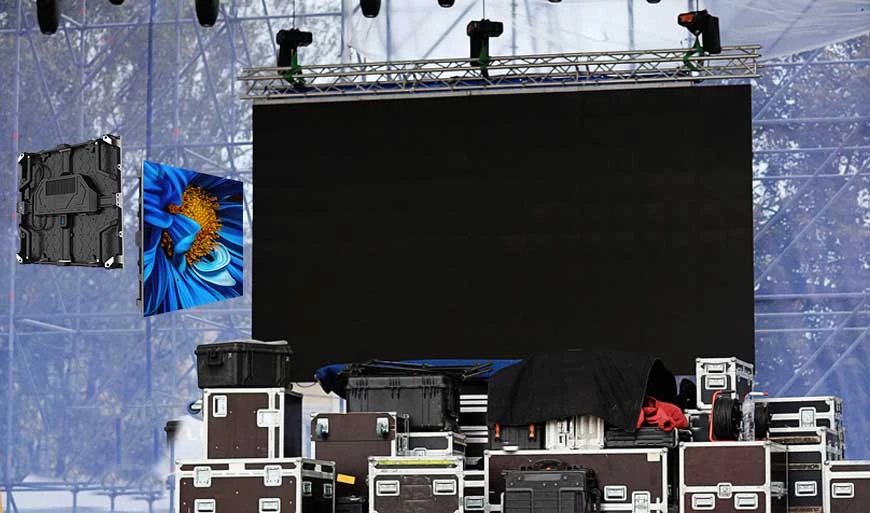
- Connect SMD panels to form the complete screen.
- Power & Signal Integration
- Wire the screen with power and data cables.
- Calibration
- Adjust brightness, color, and alignment.
- Testing & Activation
- Final check to ensure performance and image clarity.
Software & Content Management
SMD screens are compatible with various content management systems (CMS):
🎛 Key Features of CMS:
- Real-time content updates.
- Remote access from PC or cloud.
- Multi-screen control.
- Scheduled playback and playlist creation.
Popular content includes:
- Videos
- Slide shows
- Text tickers
- Social media feeds
- Live data dashboards
Maintenance Tips for Longevity
✅ Best Practices:
- Clean the surface with soft microfiber cloths.
- Ensure stable power supply.
- Keep software updated.
- Perform regular inspections for loose cables or dead pixels.
❌ What to Avoid:
- Exposing the screen to moisture or extreme heat.
- Using sharp tools for cleaning or repairs.
- Overloading power circuits.
Conclusion
An Indoor SMD screen is more than just a display—it's a powerful communication tool that can transform indoor environments into high-impact digital platforms. With their sharp resolution, seamless design, flexibility, and vibrant visuals, SMD screens have become a preferred choice for organizations that demand top-tier performance and aesthetics.
Whether you're a retailer aiming to attract foot traffic, a corporate executive enhancing your office lobby, or an event manager creating unforgettable stage backdrops, indoor SMD screens provide the quality, control, and impact you need.
Investing in the right indoor SMD display is not just a technology upgrade—it's a long-term asset for engagement, visibility, and branding.



























Sign in to leave a comment.