

Industrial leasing is an increasingly popular solution for companies seeking flexible and cost effective space without the long term commitment of ownership. For growing businesses, industrial leasing provides access to strategically located facilities that support manufacturing, warehousing, logistics, and distribution needs while preserving capital for core operations. As markets evolve and operational demands change, leasing allows businesses to scale efficiently and remain competitive.
This article explains industrial leasing in detail and highlights the key benefits it offers to expanding businesses. From financial flexibility to operational adaptability, industrial leasing can play a vital role in sustainable growth.
Understanding Industrial Leasing
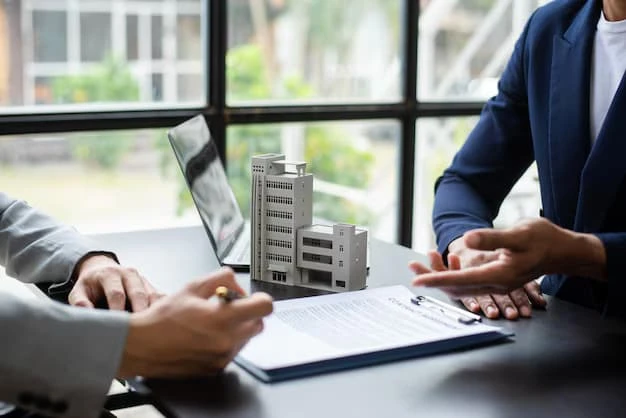
Industrial leasing involves renting industrial space such as warehouses, factories, or distribution centers for a specified period under agreed terms. Instead of purchasing property, businesses enter into lease agreements that define rent, duration, responsibilities, and usage conditions.
Types of Industrial Leases
Industrial leases can vary based on business needs. Common structures include short term leases for flexibility and long term leases for stability. Some agreements place maintenance and operating costs on the tenant, while others include these costs in the rent. Understanding lease structures helps businesses choose arrangements that align with their financial and operational goals.
Common Uses of Leased Industrial Space
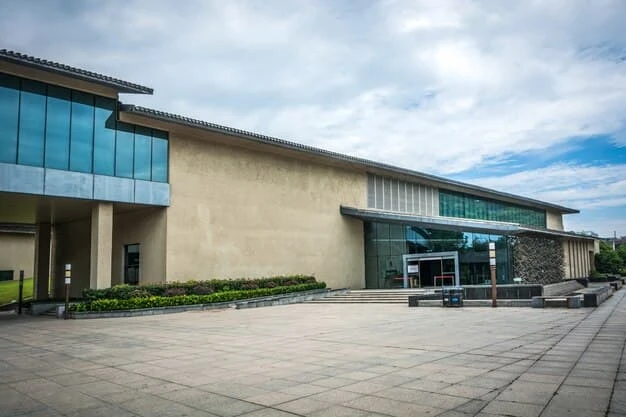
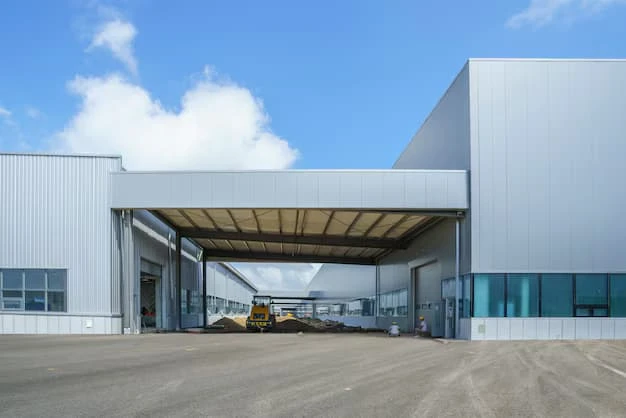
Leased industrial properties are used for storage, assembly, manufacturing, research, and logistics operations. The versatility of industrial leasing makes it suitable for startups, expanding companies, and established firms entering new markets.
Financial Advantages for Growing Businesses
One of the primary reasons businesses choose industrial leasing is the financial flexibility it provides.
Lower Upfront Capital Requirements
Leasing eliminates the need for a large upfront investment required to purchase property. This allows businesses to allocate capital toward equipment, technology, staffing, and product development instead of tying funds up in real estate.
Predictable Operating Costs
Lease agreements often provide predictable monthly expenses, making budgeting easier. Businesses can plan cash flow more effectively without worrying about unexpected property ownership costs such as major structural repairs.
Flexibility and Scalability
Growth often comes with uncertainty, and industrial leasing offers the adaptability businesses need during expansion.
Ability to Scale Operations
Leasing allows businesses to increase or reduce space as operational needs change. Companies experiencing rapid growth can move into larger facilities, while those adjusting strategies can downsize without the burden of selling property.
Easier Market Entry
For businesses expanding into new regions, leasing provides a low risk way to establish operations. Companies can test new markets without committing to permanent ownership.
Strategic Location Benefits
Location plays a crucial role in industrial operations, and leasing expands access to prime areas.
Access to Key Transportation Hubs
Leased facilities are often available near highways, ports, rail lines, and urban centers. These locations support efficient logistics, faster deliveries, and reduced transportation costs.
Proximity to Workforce and Suppliers
Industrial leasing enables businesses to choose locations close to skilled labor pools and supply chain partners. This proximity improves operational efficiency and collaboration.
Operational Efficiency and Modern Facilities
Leased industrial spaces often offer features that support efficient operations.
Modern Infrastructure and Design
Many leased facilities include high ceilings, efficient loading areas, and updated utilities. These features support modern workflows and reduce the need for costly upgrades.
Reduced Maintenance Burden
Depending on the lease structure, property maintenance may be handled by the landlord. This allows businesses to focus on operations rather than facility management.
Risk Management and Business Agility
Industrial leasing helps businesses manage risk in a changing economic environment.
Protection From Market Fluctuations
Leasing reduces exposure to property value fluctuations. Businesses are not affected by changes in real estate prices, which can be especially beneficial during uncertain economic periods.
Easier Exit Options
At the end of a lease term, businesses can relocate, renew, or adjust space requirements. This agility supports strategic decision making as business conditions evolve.
Customization and Use Flexibility
Leased industrial spaces can often be adapted to meet specific operational needs.
Tenant Improvements
Many landlords allow or contribute to tenant improvements such as layout modifications or equipment installation. These changes help businesses tailor the space without owning the property.
Variety of Space Options
Industrial leasing offers access to a wide range of property types and sizes. Businesses can choose facilities that best match their current stage of growth and operational focus.
Compliance and Regulatory Simplicity
Managing compliance is often simpler in leased facilities.
Shared Responsibility for Regulations
In many cases, landlords handle building code compliance and major regulatory requirements. This reduces administrative burden and compliance risk for tenants.
Faster Occupancy Timelines
Leased properties are often move in ready or require minimal preparation. This enables businesses to begin operations quickly and respond faster to market opportunities.
Long Term Strategic Benefits
While leasing may seem short term, it also supports long term business strategy.
Focus on Core Business Growth
By avoiding property ownership responsibilities, businesses can concentrate on innovation, customer service, and expansion. Leasing supports growth without distraction.
Enhanced Financial Flexibility
Preserving capital and maintaining liquidity strengthens a company’s financial position. This flexibility supports future investments and resilience during economic shifts.
Conclusion
Industrial leasing offers a practical and strategic solution for growing businesses seeking flexibility, efficiency, and financial control. By reducing upfront costs, supporting scalability, and providing access to well located and modern facilities, leasing helps companies adapt to changing demands and pursue growth opportunities with confidence. For businesses focused on expansion and agility, industrial leasing is not just a space solution but a key component of long term success.





























Sign in to leave a comment.