

Ensuring effective odour removal from wastewater is essential for industrial facilities aiming to maintain environmental standards and minimize community impact. Wastewater treatment plants face significant challenges managing the foul gases generated during biological treatment processes, especially within ETP and STP setups. Employing advanced odour control technologies enhances both the plant’s sustainability and operational efficiency.
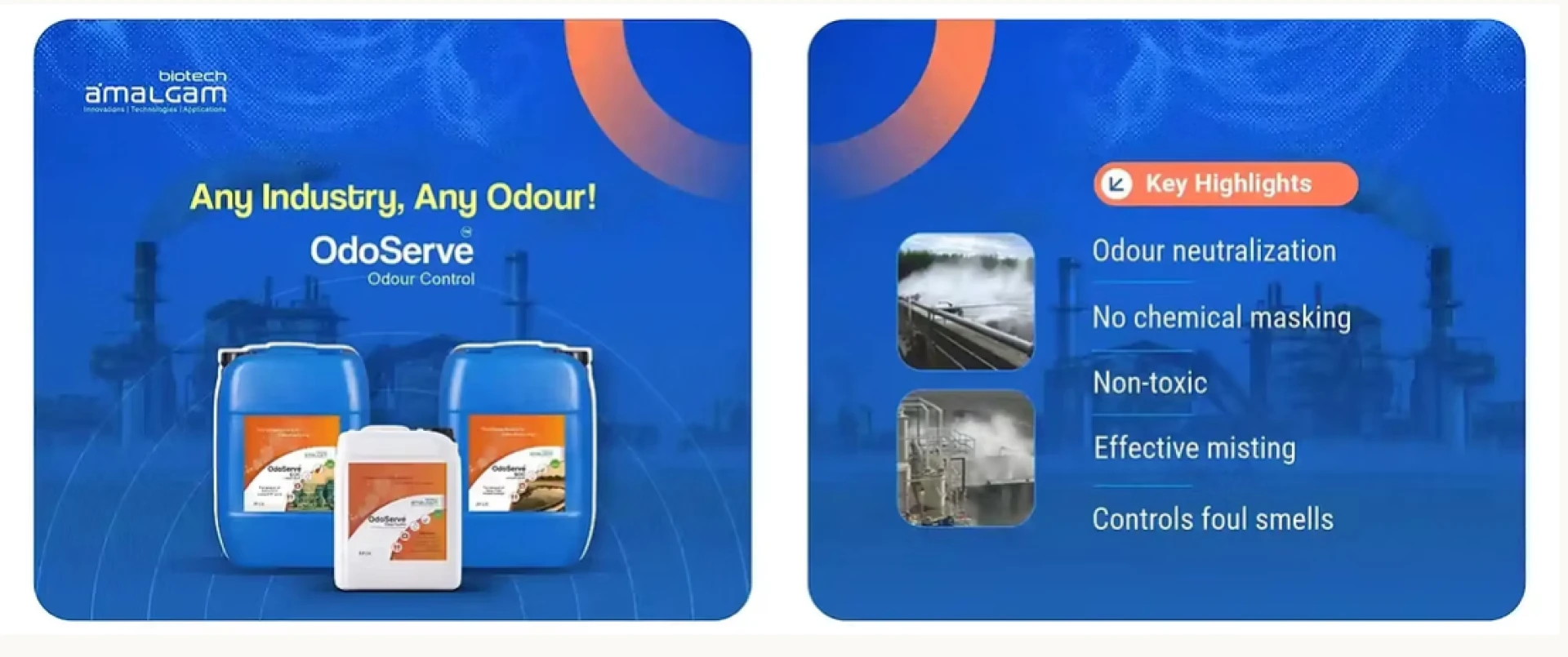
Understanding Odour Sources in Wastewater Systems
Odour emanates primarily from anaerobic decomposition of organic matter in sludge and wastewater streams, producing compounds such as hydrogen sulfide and ammonia. Addressing these emissions requires:
- Optimized aeration strategies to promote aerobic degradation
- Use of chemical oxidants and neutralizing agents to reduce odor-causing molecules
- Deployment of microbial consortia tailored to biodegrade specific odorous compounds
- Implementation of enclosed treatment areas and gas capture systems to prevent dispersion
These methods collectively help control offensive smells and improve air quality around treatment facilities.
Leveraging Expert Insights for Odour Control Solutions
For wastewater professionals looking to refine their odour management approaches, accessing authoritative sources with practical expertise can be highly advantageous. Technical blogs and environmental engineering articles often highlight breakthrough biodegradation solutions, innovative sludge management tactics, and case studies targeting smell abatement in complex industrial effluents.
A well-rounded understanding of these biological and chemical control measures will equip plant operators to design customized strategies that address site-specific odour challenges efficiently. Exploring curated resource hubs that emphasize sustainable odour mitigation technologies can provide valuable, actionable knowledge.
Best Practices in Odour Neutralization for Wastewater Treatment Plants
Integrating multiple odour control techniques is vital to achieving long-term emission reductions. Key considerations include:
- Regular monitoring of volatile compounds to identify odour hot spots
- Enhancing sludge digestion processes to minimize anaerobic gas production
- Incorporating biofilters or bioscrubbers to biologically degrade odorous gases
- Selecting chemicals that balance odour neutralization without harming microbial flora
Sustaining a holistic focus on aeration, biodegradation, and industrial chemical applications leads to improved environmental outcomes and regulatory compliance.























Sign in to leave a comment.