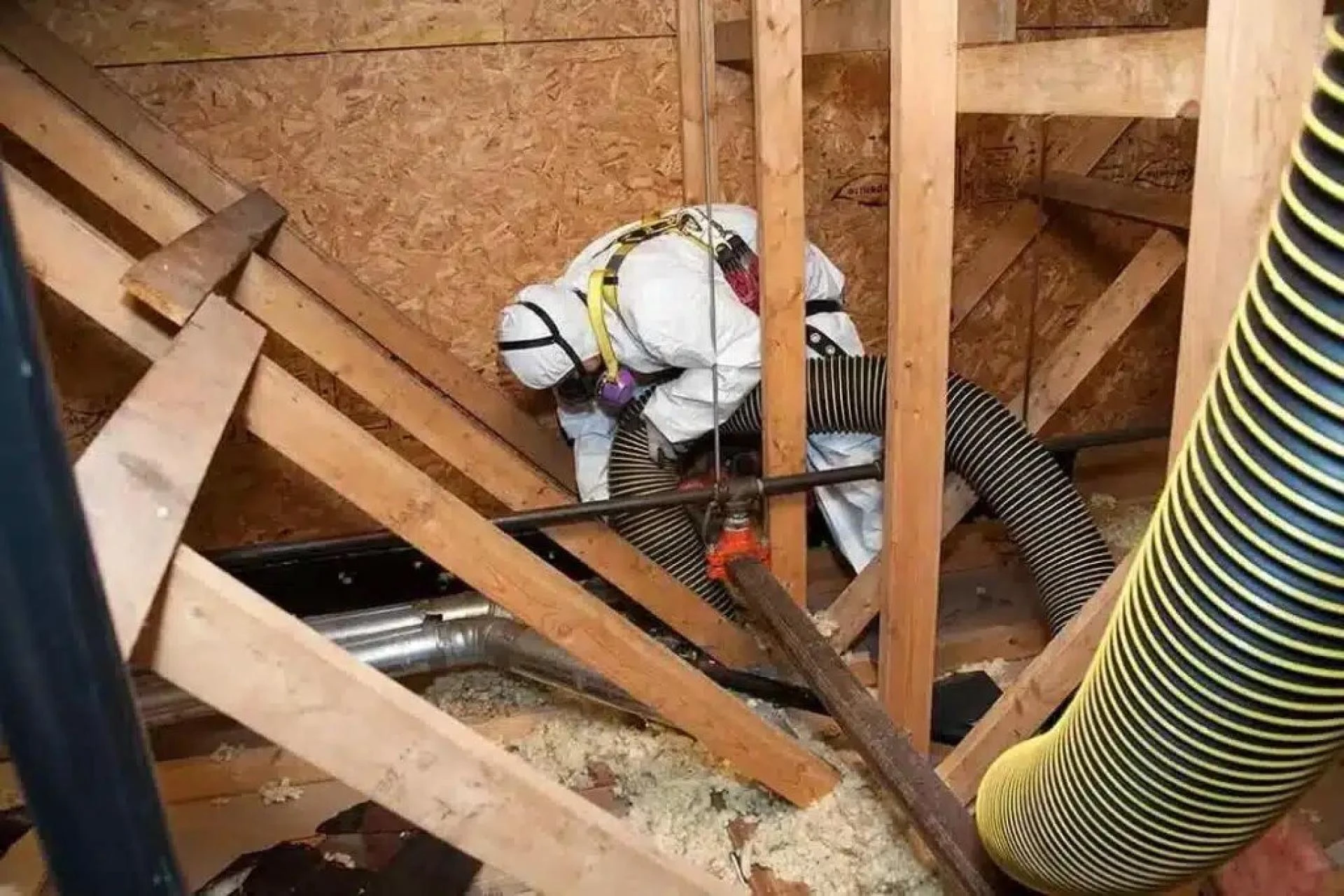

When homeowners decide to upgrade their insulation, they often focus on the cost of the new material. However, if there's old insulation that needs to come out first, the removal process is a separate and significant expense. The cost of insulation removal isn't a simple, one-size-fits-all figure. It is determined by several key factors, primarily the type and amount of insulation, the accessibility of the space, the condition of the material, and whether any hazardous substances like asbestos are present. Each of these elements can dramatically influence the labor, equipment, and safety measures required for the job.
Understanding what drives these costs helps homeowners budget more accurately and evaluate quotes from contractors with confidence. This guide, based on insights from experienced insulation professionals, breaks down the main variables that determine the final price of professional insulation removal—ensuring old materials are properly and safely taken out of the home.
The Type and Amount of Insulation
The material currently in your attic or crawl space is the starting point for any cost estimate. Different types of insulation require different removal techniques and levels of effort.
Blown-In vs. Batt Insulation
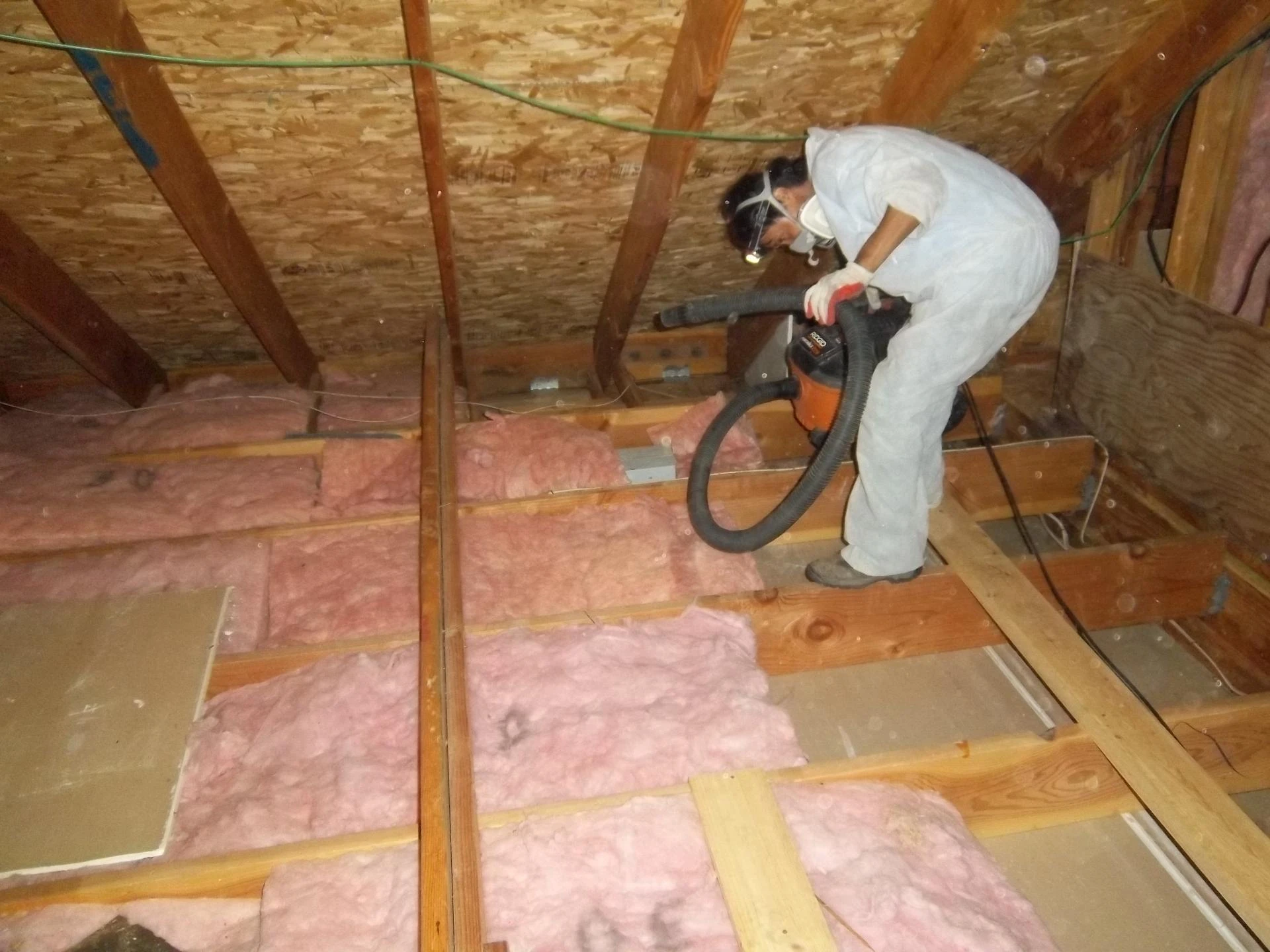
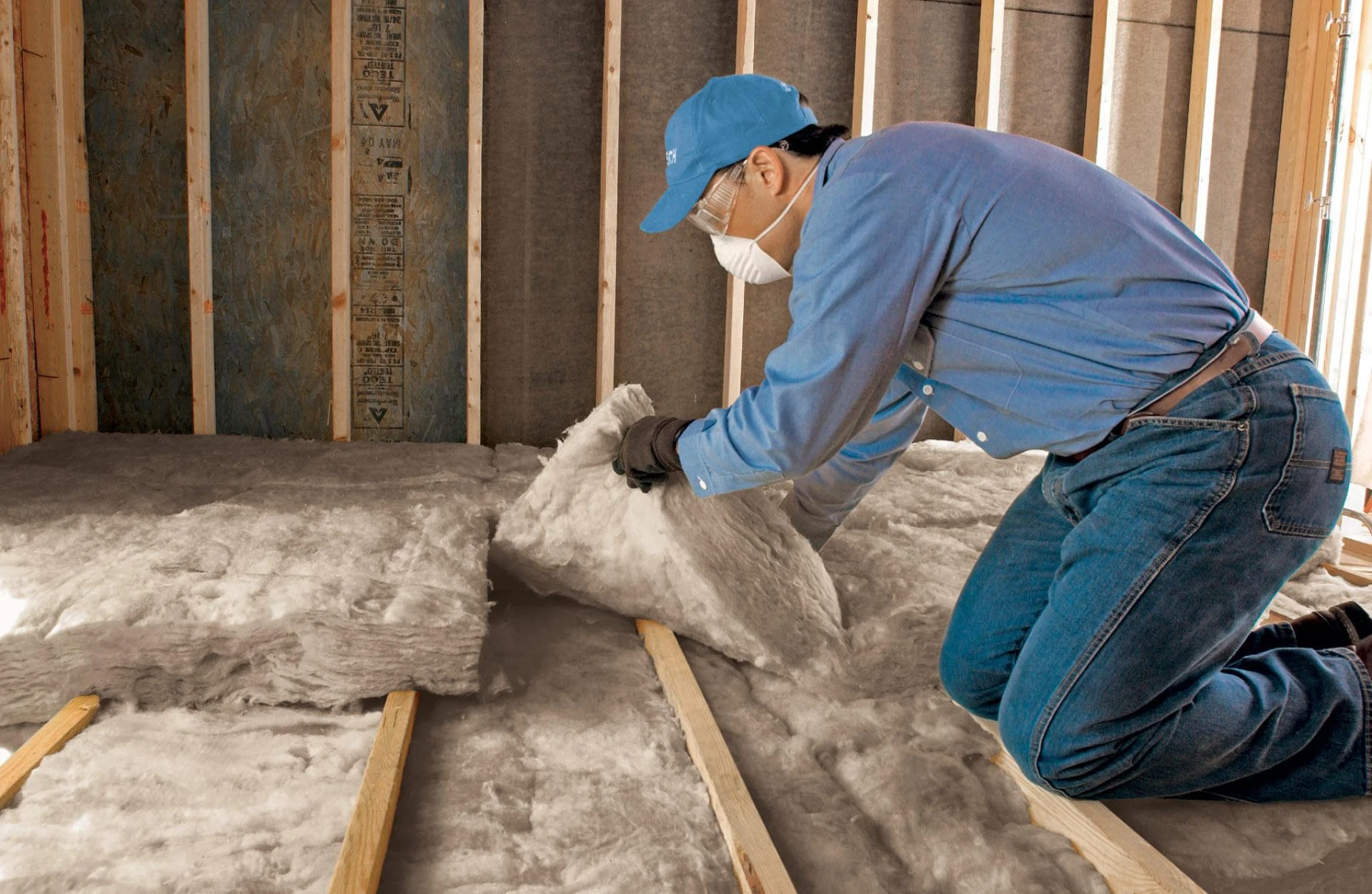
Removing old fiberglass or rock wool batts is relatively straightforward. The material is bundled together, making it easy to roll up and bag. Blown-in insulation, such as loose-fill fiberglass or cellulose, is a different story. This material is like a thick layer of dust or shredded paper spread across the entire attic floor. It must be removed using a high-powered vacuum system, which is a much more labor-intensive and time-consuming process. Consequently, removing blown-in insulation is almost always more expensive than removing batts.
The Total Area and Depth
Insulation removal is typically priced per square foot. The larger the attic or crawl space, the higher the total cost will be. The depth of the insulation also matters, especially with loose-fill types. An attic with 12 inches of old cellulose will take longer and cost more to clear out than one with only 4 inches.
Accessibility of the Work Area
How easy or difficult it is for a crew to get into and move around in space is a major cost factor. Time is money, and difficult access adds a lot of time to a job.
An attic with a high-pitched roof, a large access hatch, and an open floor plan is the ideal scenario. Workers can stand up and move freely, making the job faster and more efficient. In contrast, a crawl space with very low clearance or an attic with a complex roof structure, extensive HVAC ductwork to work around, and a small scuttle hole for access presents significant challenges. In these tight spaces, the work is slower, more physically demanding, and requires more care, all of which increases labor costs.
- Bonus Tip: Before getting quotes, clear a path to the attic hatch or crawl space entrance. Making it easy for contractors to access the area for an inspection can lead to a more accurate and sometimes more favorable quote.
The Condition of the Existing Insulation
The state of the old insulation can turn a standard removal job into a more complex and costly project. Clean, dry insulation is the baseline. Any contamination adds layers of work and expense.
Contamination from Pests
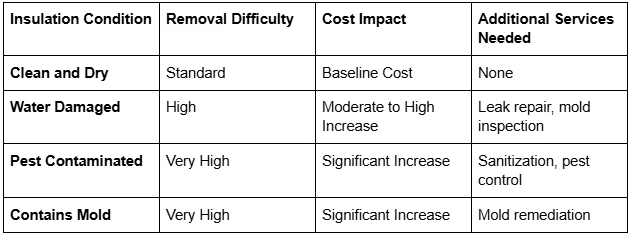
If the insulation is infested with droppings from rodents, bats, or other pests, it is considered a biohazard. This material can’t just be vacuumed up and thrown away. The crew must wear specialized personal protective equipment (PPE), and the contaminated insulation requires careful handling and specific disposal methods. After the removal, the area will likely need to be sanitized and deodorized, which is an additional service and cost.
Water Damage
Insulation that has been soaked from a roof leak is another problem. Wet cellulose or fiberglass becomes extremely heavy and compacted. It can't be removed effectively with a vacuum and often has to be shoveled out by hand. This manual labor is slow and difficult, driving up the cost. Furthermore, wet conditions are a breeding ground for mold, which introduces its own set of health risks and remediation costs.
The table below illustrates how different insulation conditions can impact project difficulty and cost.
Presence of Hazardous Materials
The discovery of certain hazardous materials can have the biggest impact on the cost of insulation removal.
Asbestos
Some older homes, particularly those built before the 1980s, may have vermiculite insulation, which could contain asbestos. If asbestos is suspected, the material must be tested by a certified lab. If it tests positive, the removal cannot be done by a standard insulation contractor. It requires a licensed asbestos abatement company that follows strict federal and state regulations for containment, removal, and disposal. This is a highly specialized and expensive process, often costing several times more than a standard insulation removal job.
Mold
If significant mold growth is found in the insulation, it needs to be handled by professionals trained in mold remediation. This involves setting up containment barriers to prevent spores from spreading to the rest of the house, using HEPA air scrubbers, and applying antimicrobial treatments. These necessary safety measures add to the overall project cost.
- Bonus Tip: If your home was built before 1990 and has loose-fill insulation that looks like small gray pebbles, it’s wise to assume it could be asbestos-containing vermiculite and have it tested before you get removal quotes.
To help clarify the process further, here are answers to some common questions homeowners have about insulation removal.
Questions About Insulation Removal Costs
Here are answers to a few frequently asked questions.
Is insulation removal a DIY project?
While it might seem like a way to save money, removing insulation yourself is generally not recommended. It's a messy, physically demanding job that can expose you to dust, allergens, and potentially hazardous materials. Professionals have the right equipment (like commercial-grade vacuums) and safety gear to do the job efficiently and safely.
How is the old insulation disposed of?
Professional contractors will bag the old insulation and transport it to an approved landfill. The cost of disposal, including landfill tipping fees, is typically included in their quote. Contaminated or hazardous materials have specific, and more costly, disposal requirements.
Does the quoted price usually include installing new insulation?
No. Insulation removal and installation are almost always quoted as two separate line items. This allows homeowners to see the distinct costs for each service and to choose different materials or companies for each part of the job if they wish.
How long does an insulation removal project take?
For an average-sized attic with blown-in insulation, the removal process usually takes a full day. Larger homes, or those with difficult access or contamination issues, can take two days or more.
What is a typical cost range per square foot?
The cost can vary widely, from as low as $1 per square foot for easily removed batts to over $5 per square foot for difficult jobs involving contaminated loose-fill insulation. If asbestos is present, the cost can be much higher. The only way to get an accurate number is to get a direct quote for your specific situation.
Getting an Accurate Quote for Your Home
Removing old insulation is often a necessary first step toward creating a more energy-efficient and healthy home. Since the cost is directly tied to the specific challenges your home presents, the best approach is to get a professional, on-site assessment. By understanding the factors that influence the price, you can have more productive conversations with contractors and better prepare your budget.
A company that handles both removal and installation, such as H&R Spray Foam Insulation, can provide a complete and accurate estimate for the entire project. Their team can inspect the area, identify any potential issues, and give you a clear breakdown of the costs involved. To schedule an inspection or to ask questions, they can be reached at [email protected] or by calling (512)862-9637.
Author: With 15 years of banking experience and five years managing H&R Spray Foam Insulation, Edith is passionate about building strong relationships with customers. Her favorite part of the role is connecting with clients and ensuring their needs are met as she works alongside them to improve the health, comfort, and energy efficiency of their homes.
Reviewer: With 7 years in the spray foam insulation business, Ella Adams offered useful feedback on this post, helping make sure the tips were both realistic and easy to apply.

























Sign in to leave a comment.