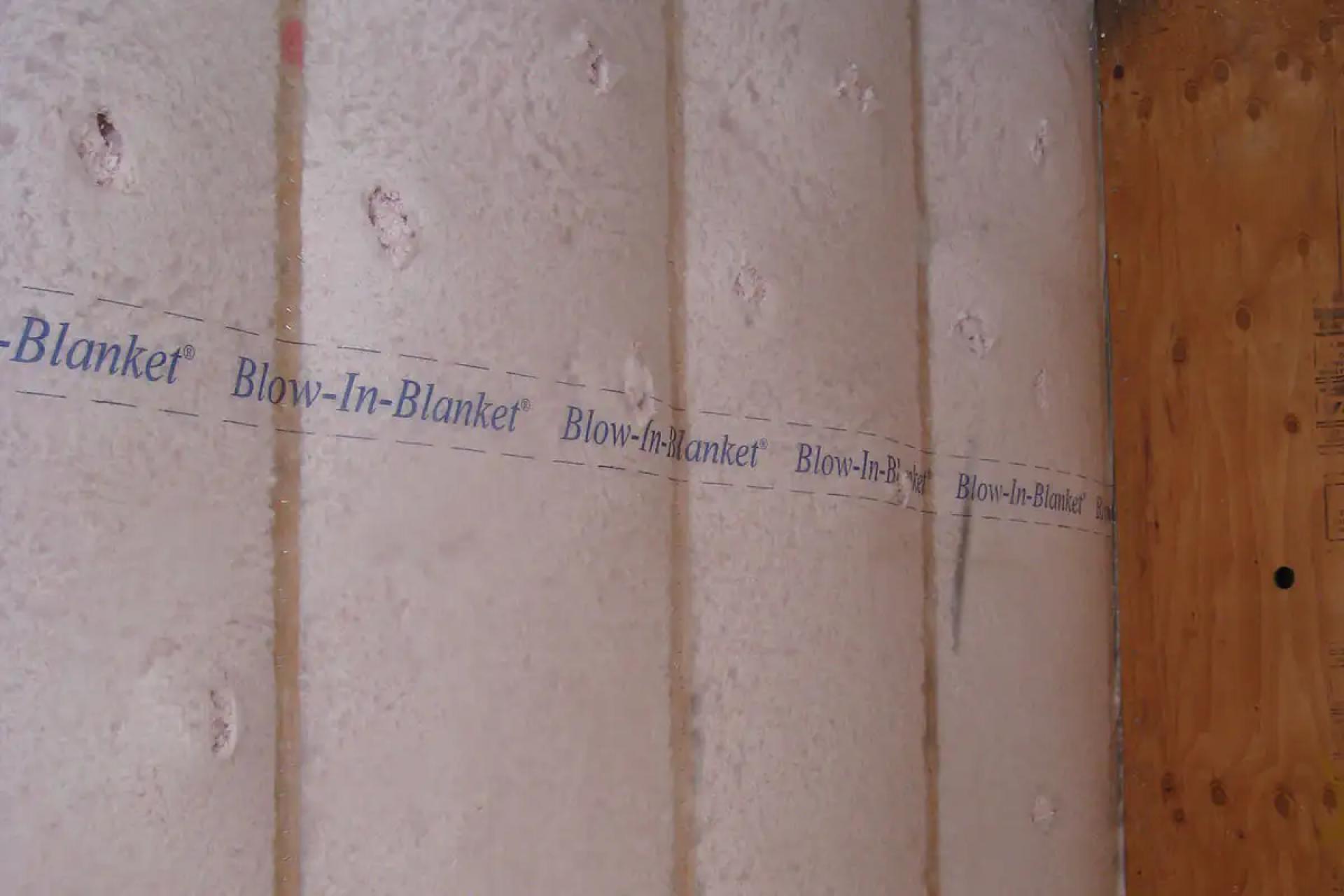
The Blown-In Blanket System, commonly known as BIBS, is a high-performance insulation method that often gets misunderstood. Several persistent myths cause confusion for homeowners and builders, with the most common being that the insulation will settle over time, that it's messy, and that it's no better than standard loose-fill insulation. These ideas are incorrect, however. In reality, BIBS is a specialized system that uses dense-packing to create a seamless, custom-fit insulation cavity that will not settle, provides superior thermal performance, and offers exceptional sound control.
Unlike insulation simply blown into an open attic, the Blown-In Blanket Insulation is a contained process used primarily for walls, floors, and ceilings. This guide, drawing from extensive industry experience, will address these common myths head-on. By explaining how the system actually works, we can clear up the misconceptions and show why it’s a premium choice for creating a comfortable and energy-efficient home.
Understanding the Blown-In Blanket System
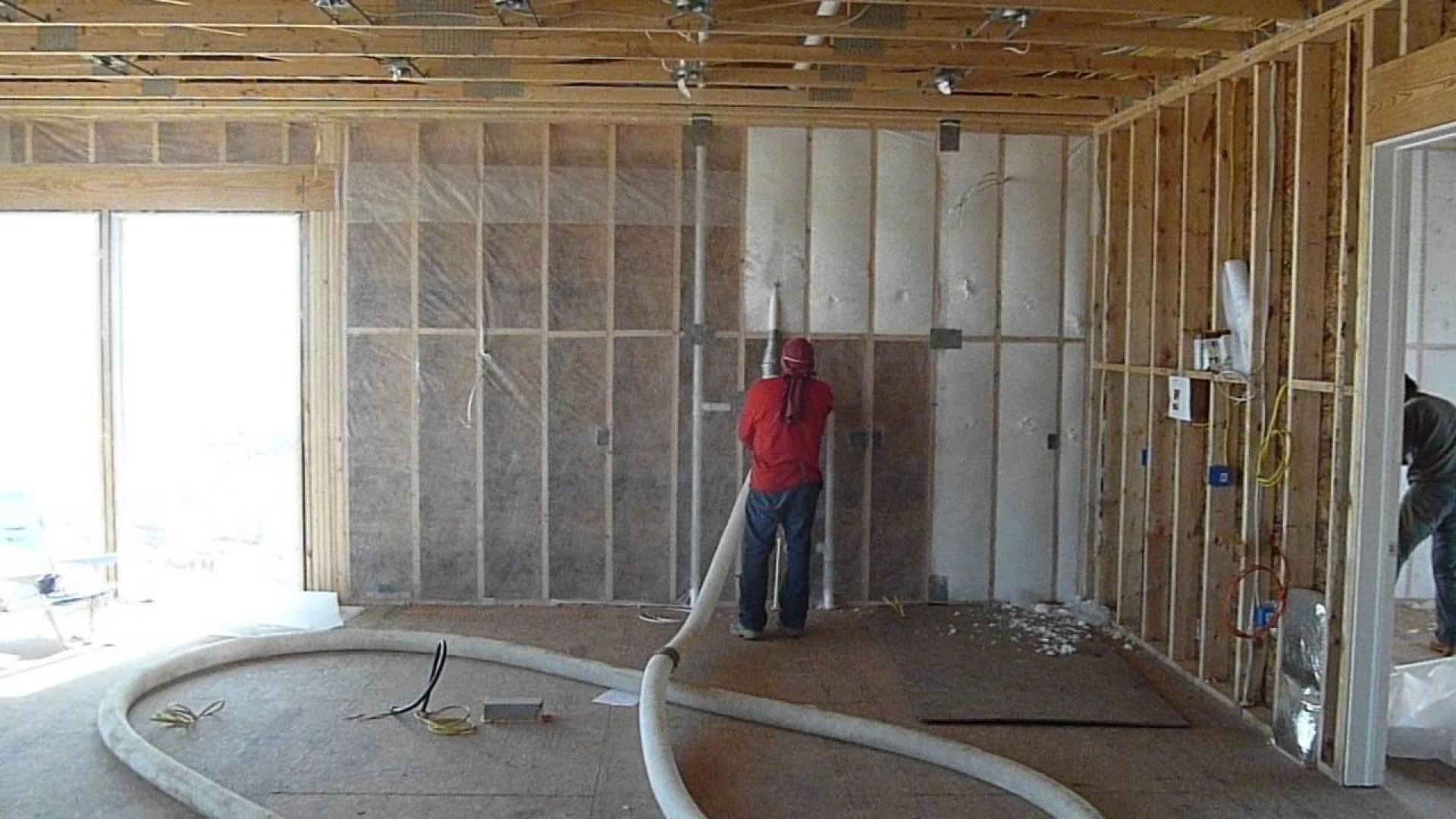
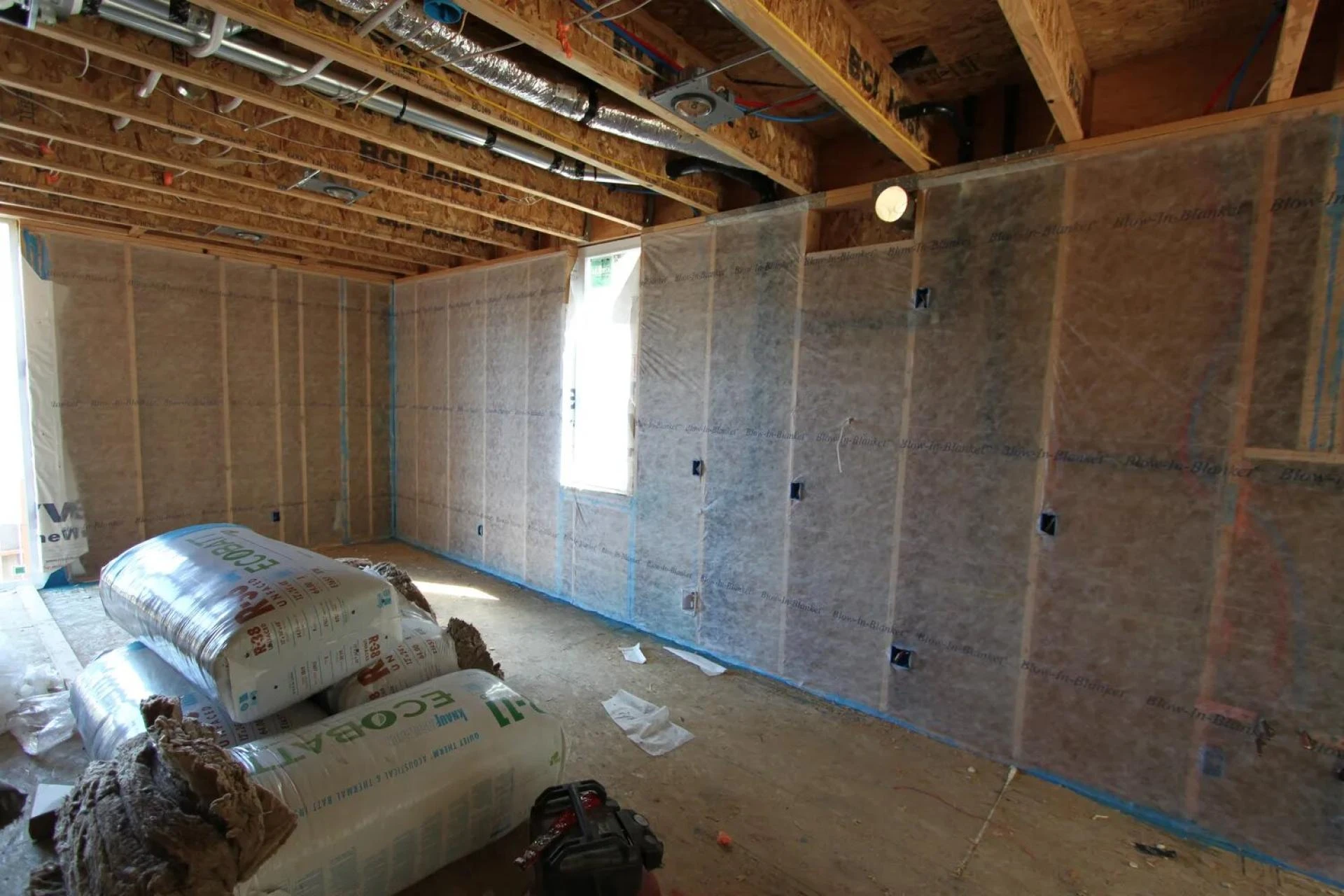
Before debunking the myths, it's helpful to understand what BIBS is. It’s a specific, patented process, not just a type of insulation. The installation involves three main steps:
- A breathable, mesh-like fabric is stapled across the face of open wall studs, floor joists, or ceiling rafters.
- A small hole is made in the fabric, and a hose is inserted.
- Specially designed fiberglass insulation is blown into the cavity behind the fabric at a precise density. This dense-packing process ensures the entire cavity is filled, from top to bottom and around any pipes or wiring.
The result is a wall cavity filled with a solid, seamless blanket of insulation that is held securely in place. It's this unique application method that gives BIBS its name and its high-performance characteristics.
Myth 1 The Insulation Will Settle Over Time
This is the most widespread myth, and it comes from a misunderstanding of how the system works. People picture loose insulation in an attic and assume the same thing will happen in a wall.
The Reality: The Blown-In Blanket System is specifically engineered to eliminate settling. The insulation is installed at a specified density, typically around 1.8 pounds per cubic foot for walls. At this density, the fiberglass fibers interlock and support each other, making it physically impossible for the insulation to settle or sag. The fabric liner provides additional support, ensuring the insulation stays exactly where it was installed for the life of the home. This is a tested and certified system, and a key requirement of that certification is its proven resistance to settling.
Bonus Tip: Always work with a BIBS-certified installer. They are trained to use the correct equipment and techniques to ensure the insulation is packed to the manufacturer's required density, which guarantees performance.
Myth 2 The Installation Process is Extremely Messy
The thought of blowing loose fibers into a home can conjure images of a dusty, messy job site. While any construction process creates some debris, BIBS is a surprisingly clean and contained method when handled by professionals.
The Reality: The fabric netting is the key to containing the insulation. It keeps the fibers within the wall cavity during the installation. Professional crews are also trained to manage the process efficiently. They typically work from a truck outside, running a single hose into the house. The hole made in the fabric is small, and any minor overspill is easily cleaned up. It's a far cleaner process than some other insulation methods and is designed for use in both new construction and major remodels.
Myth 3 It Isn't Any Better Than Standard Fiberglass Batts
Since both BIBS and batts use fiberglass, some people assume their performance is the same. This overlooks the massive impact of the installation method.
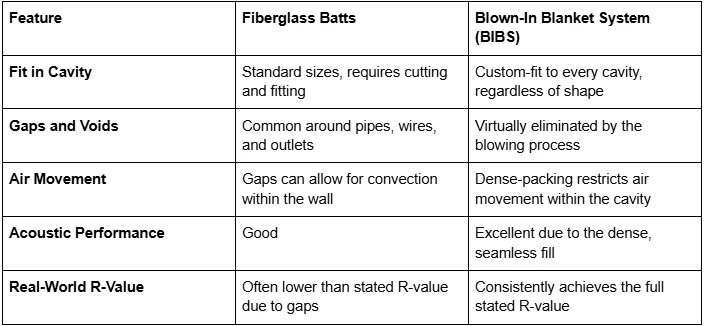
The Reality: BIBS provides superior real-world performance because it eliminates the gaps and voids that are almost always present with batt insulation. Batts have to be cut to fit around electrical boxes, wiring, and plumbing, a process that is never perfect. These small gaps and compressed areas create thermal bridges where heat can easily pass through. Building science studies have shown that these installation flaws can reduce the effective R-value of a wall by 30% or more.
BIBS solves this problem. The blown-in application flows around all obstacles, filling every space for a truly custom, gap-free fit. This leads to a much more effective thermal barrier.
Here's a comparison of the typical installation quality.
Myth 4 It's Prone to Moisture and Mold Problems
Any discussion of wall insulation eventually turns to moisture. The concern is that if the insulation gets wet, it will lead to mold.
The Reality: Fiberglass insulation is made from sand and glass, which are inorganic materials. As such, fiberglass itself does not support mold growth. It is also naturally resistant to absorbing moisture. If it does get wet from a leak, it is able to dry out without losing its thermal properties. This is a significant advantage over organic insulation materials like cellulose, which can absorb water and become a food source for mold if they remain damp.
Bonus Tip: A properly constructed wall assembly should always include a weather-resistant barrier on the exterior to prevent water from getting into the wall in the first place. The insulation is the second line of defense, not the first.
Things to Consider Before Making a Decision
Before choosing BIBS for your project, it’s helpful to think about a few things:
- Project Type: BIBS is ideal for new construction or major renovations where the wall cavities are open. It can be used in some retrofit situations, but the process is different and more complex.
- Performance Goals: If your main goals are achieving a high R-value with no gaps and excellent sound control, BIBS is one of the best options available.
- Installer Certification: The performance of the system is entirely dependent on the quality of the installation. It is essential to hire a contractor who is a certified BIBS installer, as they will have the proper training and equipment.
- Air Sealing: While BIBS does a great job of restricting air movement within the wall cavity, it is not an air barrier. A complete wall system should still include proper air sealing at points like the top and bottom plates and around window openings.
Questions About the Blown-In Blanket System
How does BIBS compare to spray foam?
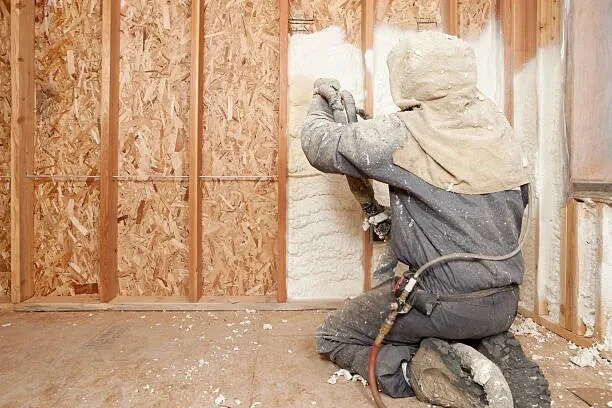
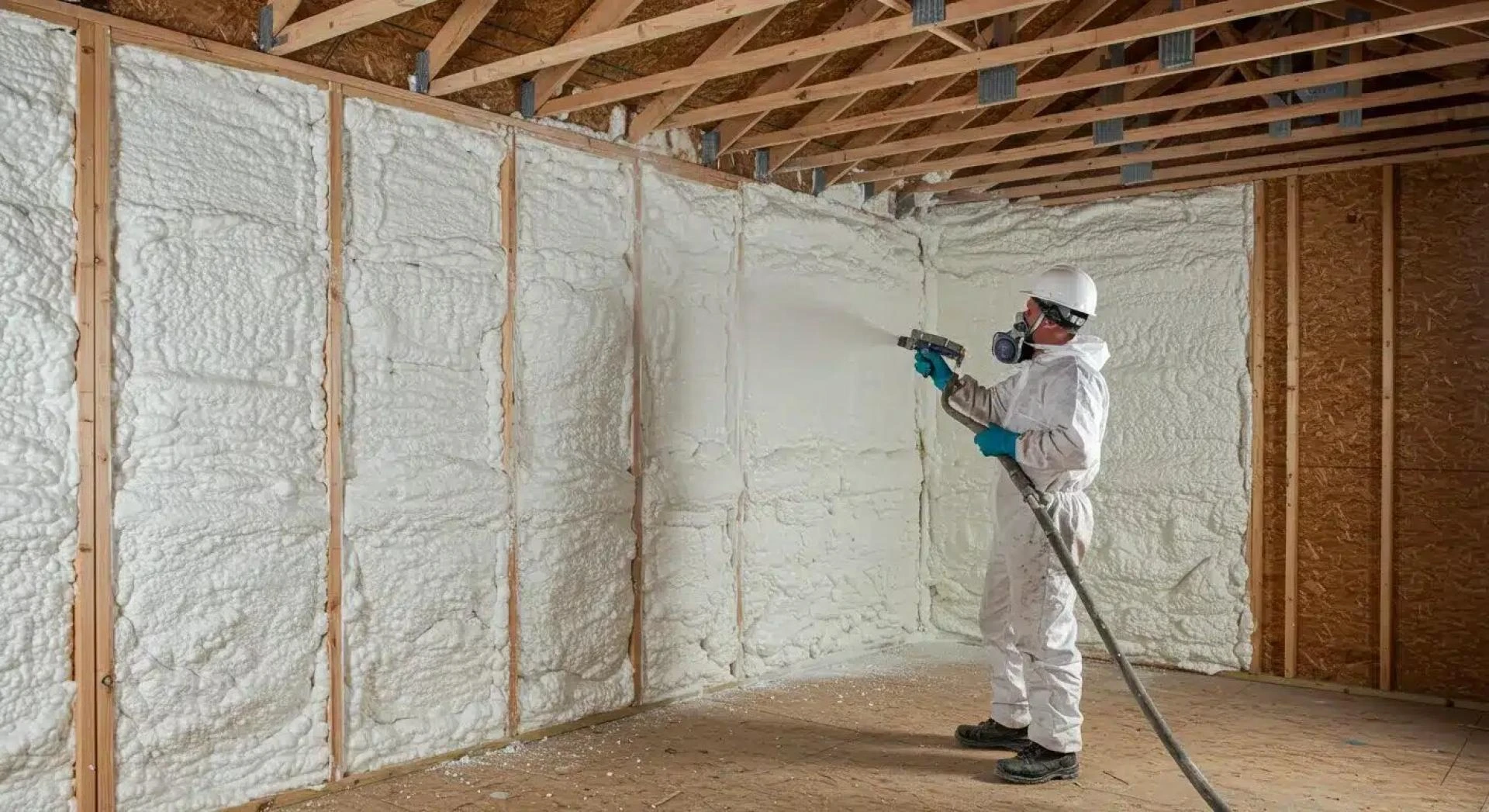
BIBS is generally less expensive than closed-cell spray foam and provides excellent thermal and acoustic insulation. Spray foam, however, also acts as an air and vapor barrier, which BIBS does not. The best choice depends on the specific project goals and budget.
Can BIBS be used in an attic?
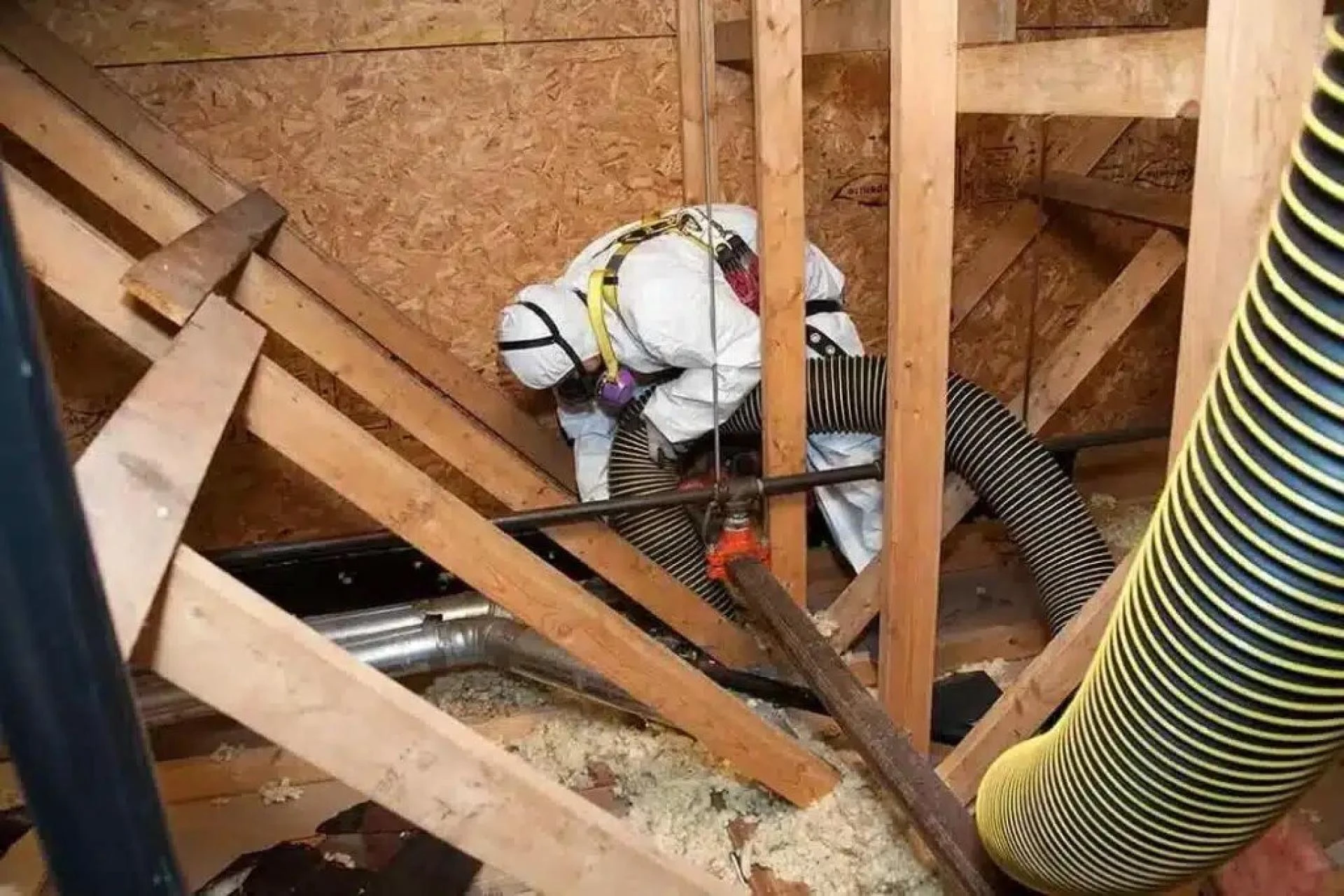
No, BIBS is a system for enclosed cavities like walls and floors. For an open attic, a standard loose-fill blown-in insulation application is used.
Is the Blown-In Blanket System eco-friendly?
Yes. The fiberglass used in BIBS typically contains a high percentage of recycled glass content (often 50% or more), and its effectiveness at insulating a home reduces energy consumption over the building's lifetime.
What R-values can be achieved with BIBS?
BIBS can easily meet and exceed building code requirements. It can achieve an R-15 in a standard 2x4 wall and an R-23 in a 2x6 wall.
Is the fabric liner strong enough to hold the insulation?
Absolutely. The fabric is a durable, non-woven material specifically designed to hold the weight and pressure of the dense-packed insulation without tearing or stretching.
A Superior Method for Insulating Cavities
When you look past the common myths, the Blown-In Blanket System reveals itself as a sophisticated and highly effective method for insulating a home. Its ability to create a seamless, dense, and permanent thermal blanket in wall cavities makes it a top-tier choice for builders and homeowners focused on quality, comfort, and long-term energy performance.
Finding a Certified BIBS Installer
Because the quality of the installation is so important, it's essential to work with a team that is certified to install the Blown-In Blanket System. A certified professional can explain the process, answer your questions, and ensure the job is done right.
For those considering this system for their home, companies like H&R Spray Foam Insulation have certified technicians who specialize in high-performance insulation solutions, including BIBS. To discuss a project or get a professional opinion, their team can be reached by phone at (512)862-9637 or by email at [email protected].
Author: With 15 years of banking experience and five years managing H&R Spray Foam Insulation, Edith is passionate about building strong relationships with customers. Her favorite part of the role is connecting with clients and ensuring their needs are met as she works alongside them to improve the health, comfort, and energy efficiency of their homes.
Reviewer: With 7 years in the spray foam insulation business, Ella Adams offered useful feedback on this post, helping make sure the tips were both realistic and easy to apply.


























Sign in to leave a comment.