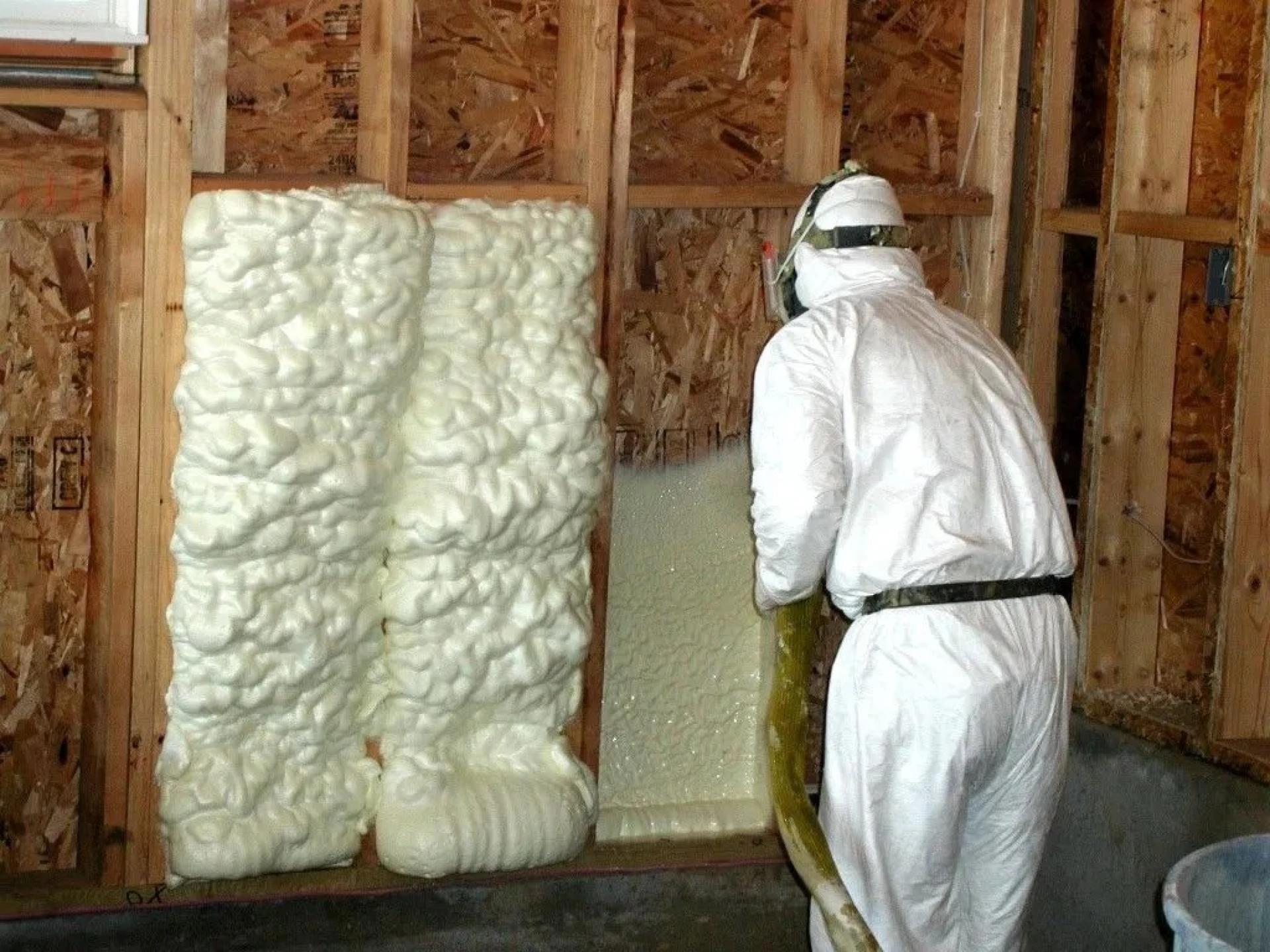

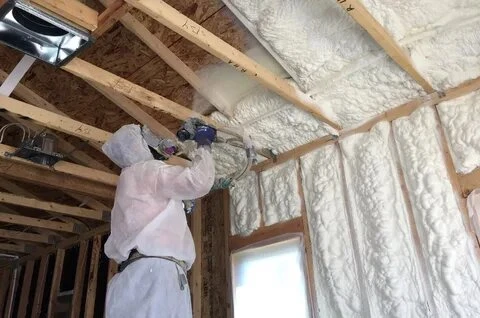
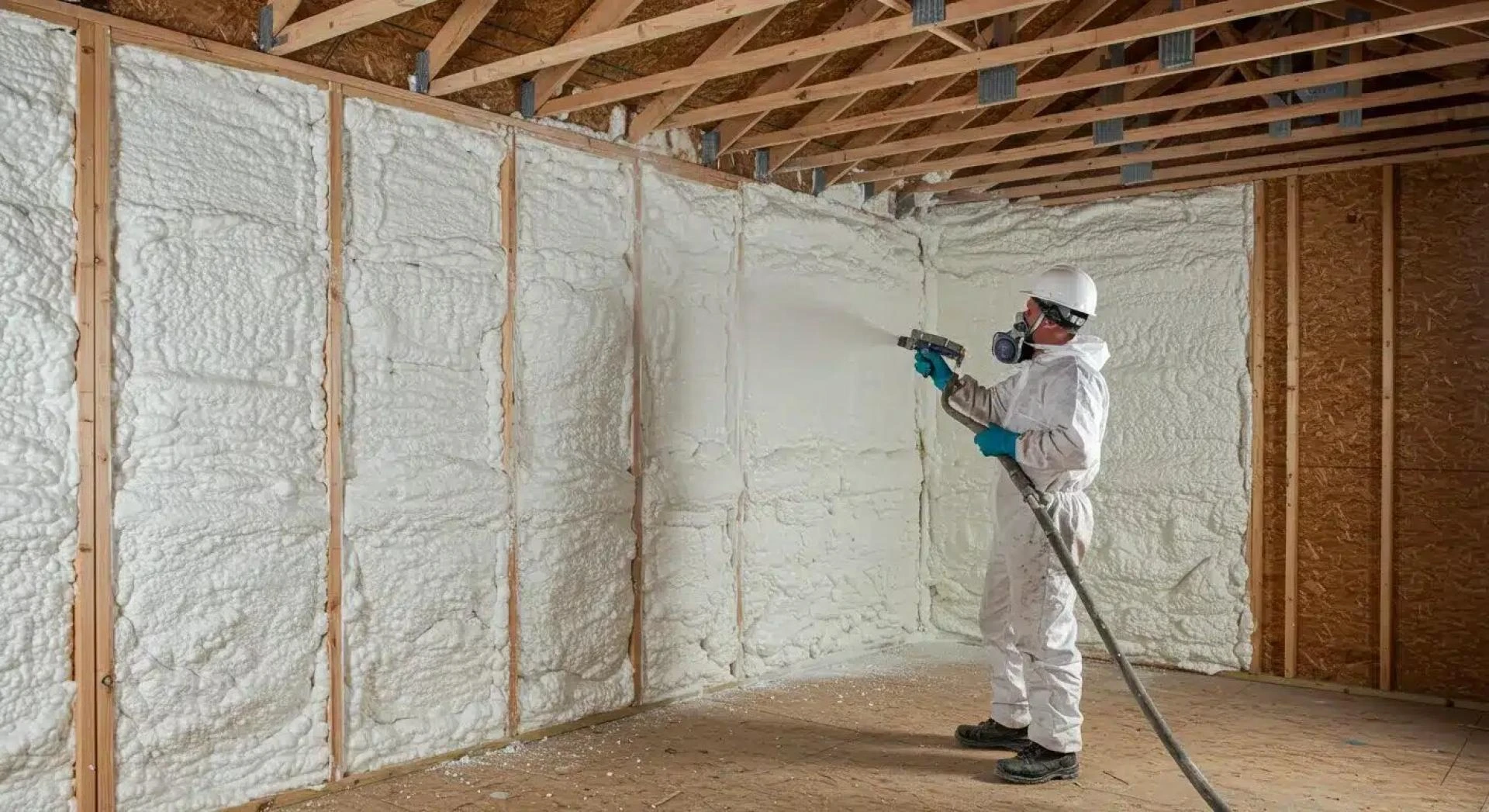
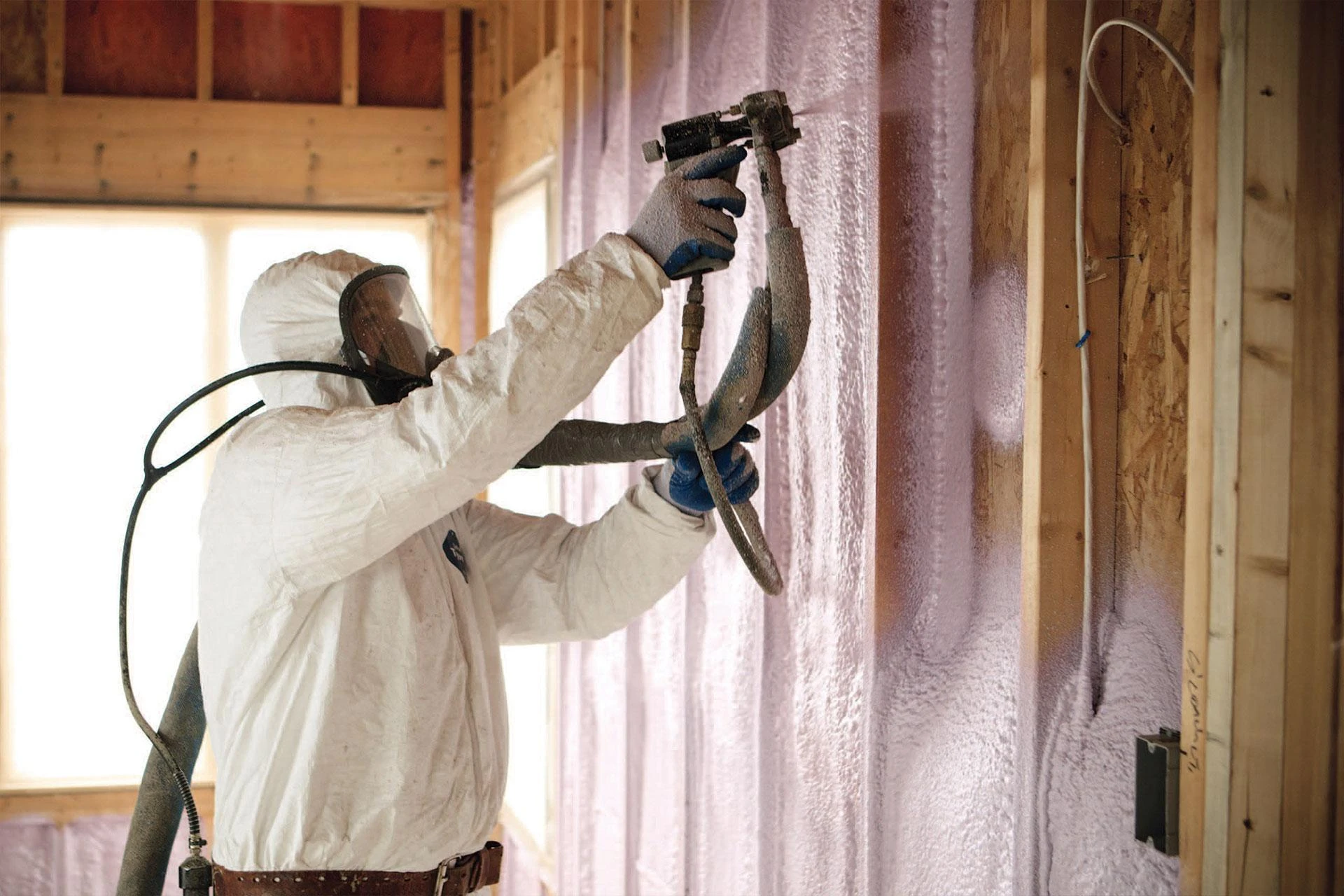
Spray foam insulation creates a complete seal through a unique chemical reaction and physical transformation. It starts as a two-part liquid that, when sprayed, rapidly expands to over 30 times its original volume. This controlled expansion forces the foam into every crack, gap, and imperfection of a building's structure, no matter how small or irregularly shaped. As it expands, it adheres tenaciously to wood, metal, and concrete, curing into a solid, continuous barrier. This process creates a monolithic layer that is both an insulator and an air barrier, effectively stopping air leakage in a way that pre-cut insulation materials simply cannot.
Understanding the science behind this expansion reveals how it forms such a perfect barrier and why that seal is so effective at improving a home’s energy efficiency, comfort, and durability. The information here is based on the principles of building science and the hands-on experience of certified insulation installers, making it clear why choosing professional spray foam insulation in Austin is one of the best investments for long-term performance and comfort.
The Science Behind the Expansion
The process begins when two separate liquid components, a polyol resin and an isocyanate, are pumped through heated hoses to a spray gun. When they mix at the tip of the gun, an immediate exothermic chemical reaction starts. This reaction creates the polyurethane foam and releases a gas that acts as a blowing agent. It’s this blowing agent that forms tiny bubbles within the material, causing it to expand.
The extent of the expansion depends on the type of foam:
- Open-cell spray foam is a lower-density material. It has a high expansion rate, often swelling to 100 times its initial volume. The cells within the foam are left open, which makes it soft, flexible, and excellent for sound absorption.
- Closed-cell spray foam is a denser, more rigid material. It expands less, typically around 30 to 40 times its volume. The cells are closed and packed tightly together, making it a very effective insulator and also resistant to moisture.
Bonus Tip: Professional installers carefully monitor the temperature of the chemicals and the surface they are spraying. The substrate temperature and ambient humidity are critical variables that affect how the foam reacts, expands, and adheres. This is a key reason why professional application is so important.
From Liquid to Solid A Monolithic Barrier
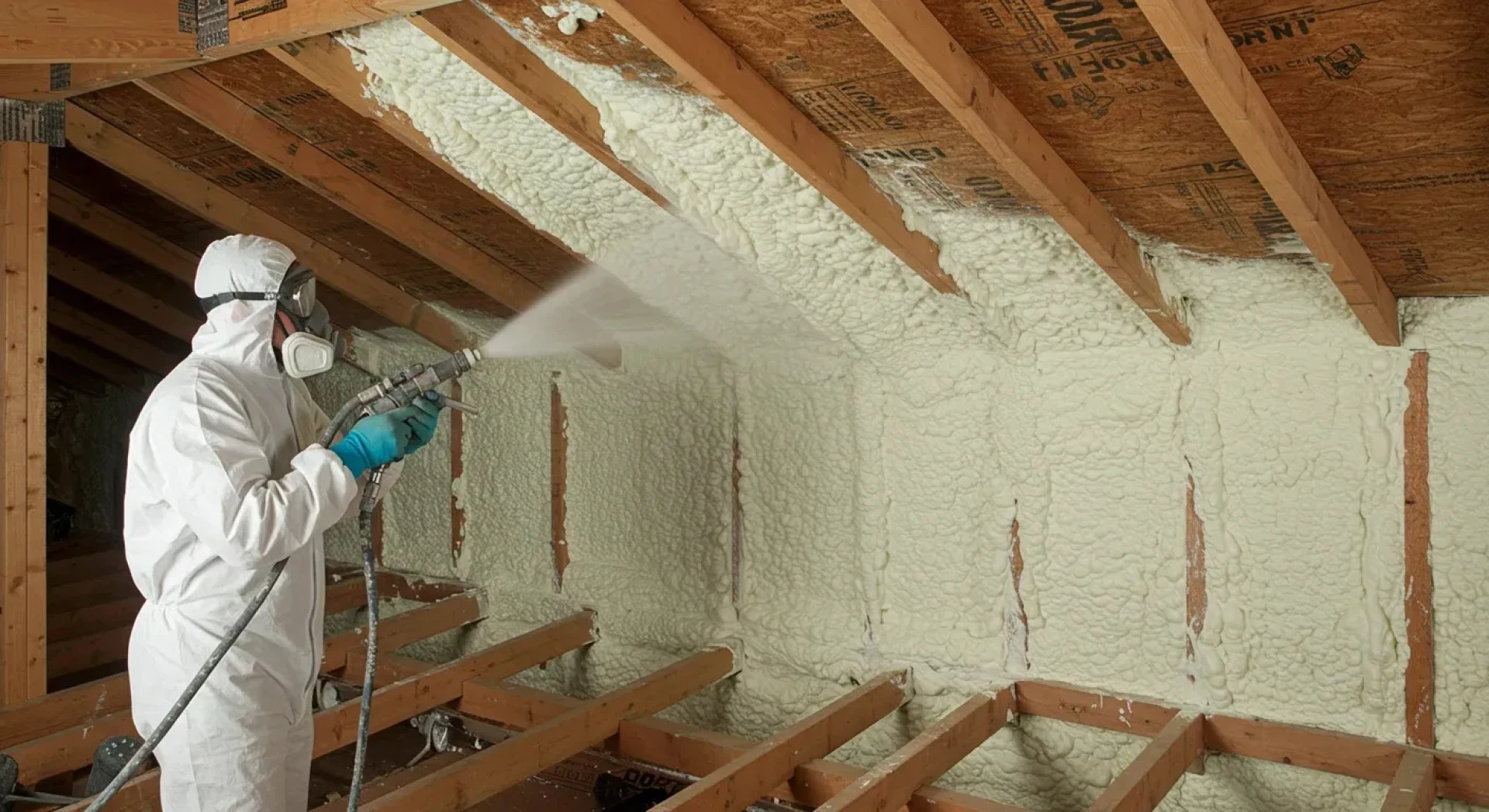
Unlike traditional insulation like fiberglass batts, which come in pre-cut shapes and sizes, spray foam is applied as a liquid. This allows it to conform perfectly to any space it fills. The foam’s initial liquid state lets it coat every surface within a wall cavity or attic rafter bay.
As it expands in the seconds after being sprayed, it pushes into the smallest nooks and crannies. It seals the tiny gaps around electrical wiring, plumbing pipes, and junction boxes. It fills the imperfections in lumber and the space where different building materials meet. Once the expansion is complete, the foam cures into a solid, durable mass that is fully bonded to the structure. This creates a single, solid piece of insulation with no seams, gaps, or joints. It won't sag, settle, or shrink over time, meaning the complete seal it creates on day one will last for the life of the building.
Air Sealing The Key to Energy Efficiency
The complete seal created by expanding foam serves a dual purpose. It insulates against heat transfer (conduction), but just as importantly, it stops air leakage (convection). According to building science experts, uncontrolled air leakage can account for up to 40% of the energy used to heat and cool a typical home. Every small crack and gap acts as a pathway for conditioned air to escape and outside air to infiltrate.
Spray foam addresses this problem directly by functioning as an air barrier. By sealing the entire building envelope, it dramatically reduces this air exchange. This has several major benefits:
- Lower Energy Bills: The HVAC system doesn't have to work as hard to maintain the desired temperature, leading to significant energy savings.
- Improved Comfort: The drafts that cause cold spots in the winter and hot spots in the summer are eliminated.
- Better Indoor Air Quality: The seal prevents dust, pollen, and other outdoor pollutants from entering the home.
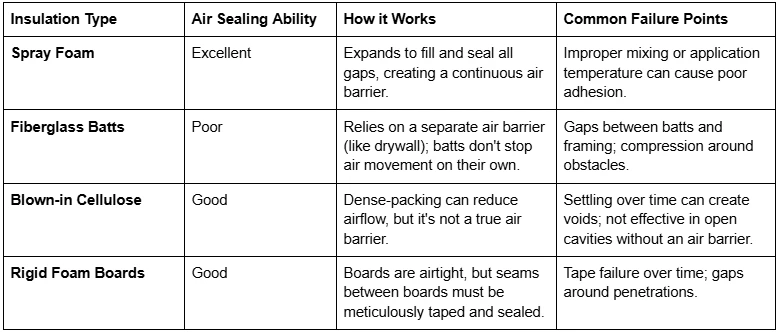
How Different Insulators Handle Air Sealing
The Dual Role of Closed-Cell Foam A Moisture Barrier
For homes in humid climates, such as those in Central Texas, the seal from closed-cell spray foam offers another critical advantage: it's a moisture barrier. The closed, gas-filled cell structure of this foam makes it impermeable to water and water vapor. When applied to walls, crawl spaces, or the underside of a roof deck, it prevents humid outdoor air from infiltrating the building assembly.
This is extremely important for preventing condensation within walls, which can lead to mold, mildew, and wood rot. By creating a seal that blocks both air and moisture, closed-cell foam helps protect the home's structural integrity while also contributing to healthier indoor air. Open-cell foam, in contrast, is vapor-permeable, meaning it allows moisture to pass through it. This can be a useful property in certain wall designs, but it does not provide the same level of moisture protection as its closed-cell counterpart.
Bonus Tip: In crawl space applications, applying closed-cell spray foam to the foundation walls and rim joists can create a conditioned space, protecting pipes from freezing and preventing musty, damp air from rising into the home.
Things to Consider Before Making a Decision
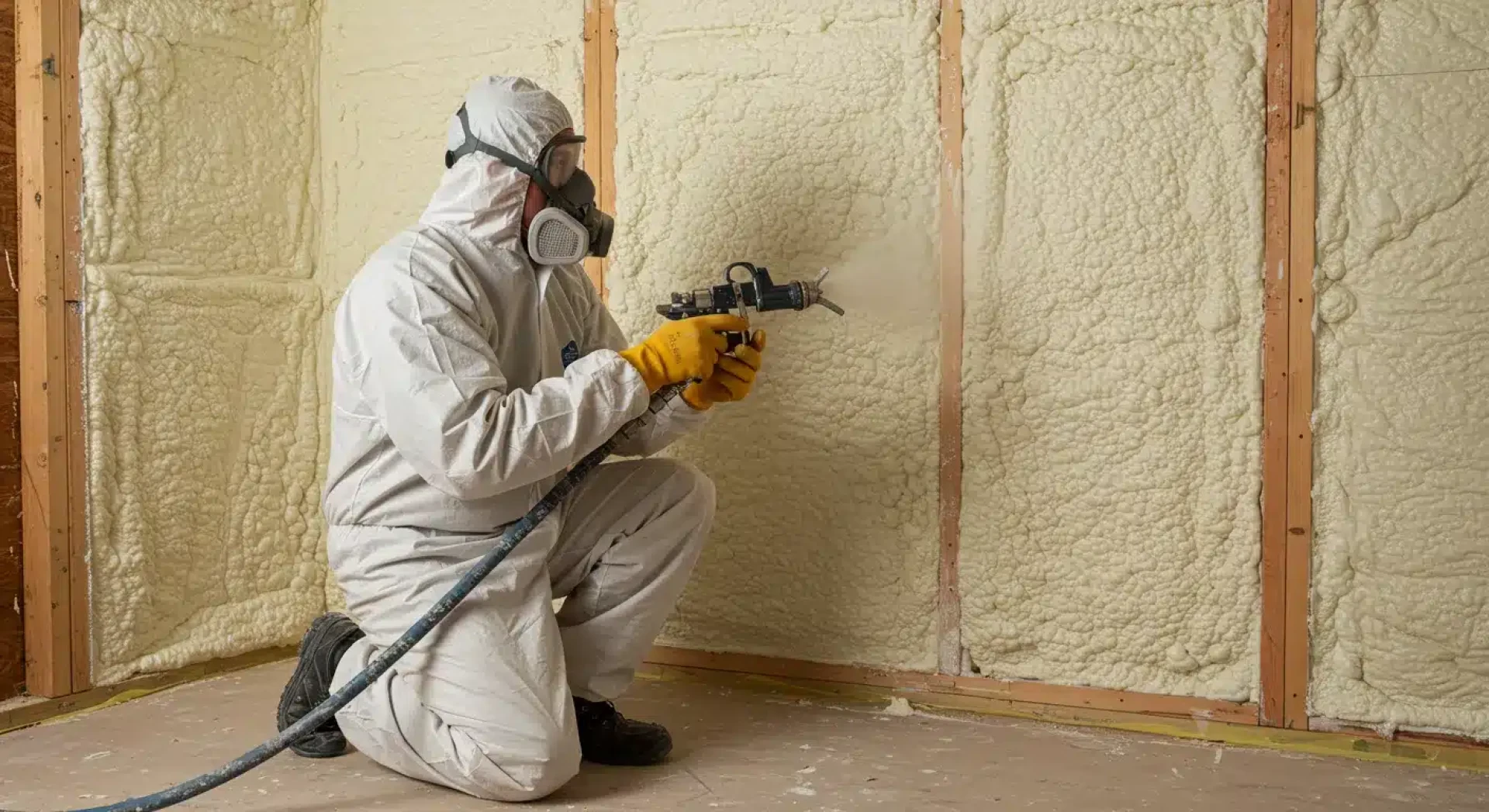
While these benefits are significant, the effectiveness of the spray foam seal is entirely dependent on the quality of the application. Here are a few things to keep in mind:
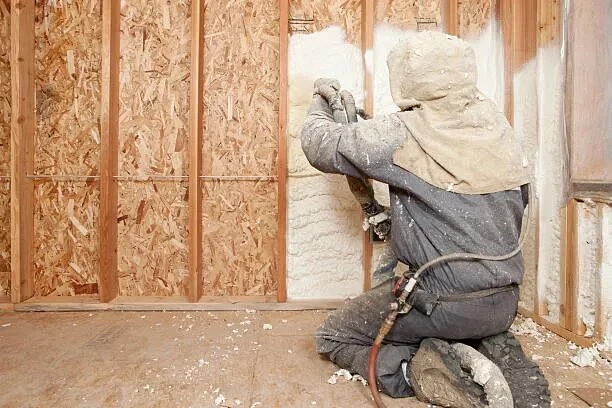
- Professional Application is Essential: The chemical reaction that creates the foam requires precise control of temperature, pressure, and mix ratios. This is not a DIY product; it must be installed by trained and certified professionals.
- Choose the Right Foam: Open-cell and closed-cell foams have different properties and are suited for different applications. A knowledgeable contractor can help you decide which is best for your walls, attic, or crawl space.
- Plan for Ventilation: Because spray foam creates such a tight seal, it can reduce a home's natural air exchange rate. In some cases, mechanical ventilation may be needed to ensure a steady supply of fresh air.
- Surface Preparation: The areas to be sprayed must be clean, dry, and free of dust or oils. Proper preparation ensures the foam achieves a strong, permanent bond with the structure.
Questions About the Application Process
- Does the expansion pressure damage walls?
- When applied correctly by a professional, no. Installers apply the foam in thin layers, or "lifts," allowing each layer to expand and partially cure before applying the next. This controls the pressure and prevents any damage to drywall or sheathing.
- How long does spray foam take to cure?
- It becomes tack-free within seconds or minutes of being applied. However, it takes about 24 hours to fully cure and off-gas. Professionals will ventilate the area during this time.
- Can it be installed in an existing home?
- Yes. Spray foam is an excellent choice for retrofitting existing homes. It can be injected into empty wall cavities or sprayed into open attics and crawl spaces to create a seal that was missing in the original construction.
Questions About Performance and Durability
Can spray foam be used in an old, drafty house?
Yes, it's one of the best solutions for older homes. The expansion allows it to seal the irregular framing and numerous small cracks that are common in older construction, dramatically improving comfort and energy efficiency.
Does the foam shrink or pull away over time?
When professionally installed using high-quality materials, spray foam is dimensionally stable. It will not shrink, settle, or pull away from the studs, maintaining its complete seal for the life of the home.
Can you spray foam directly over old insulation?
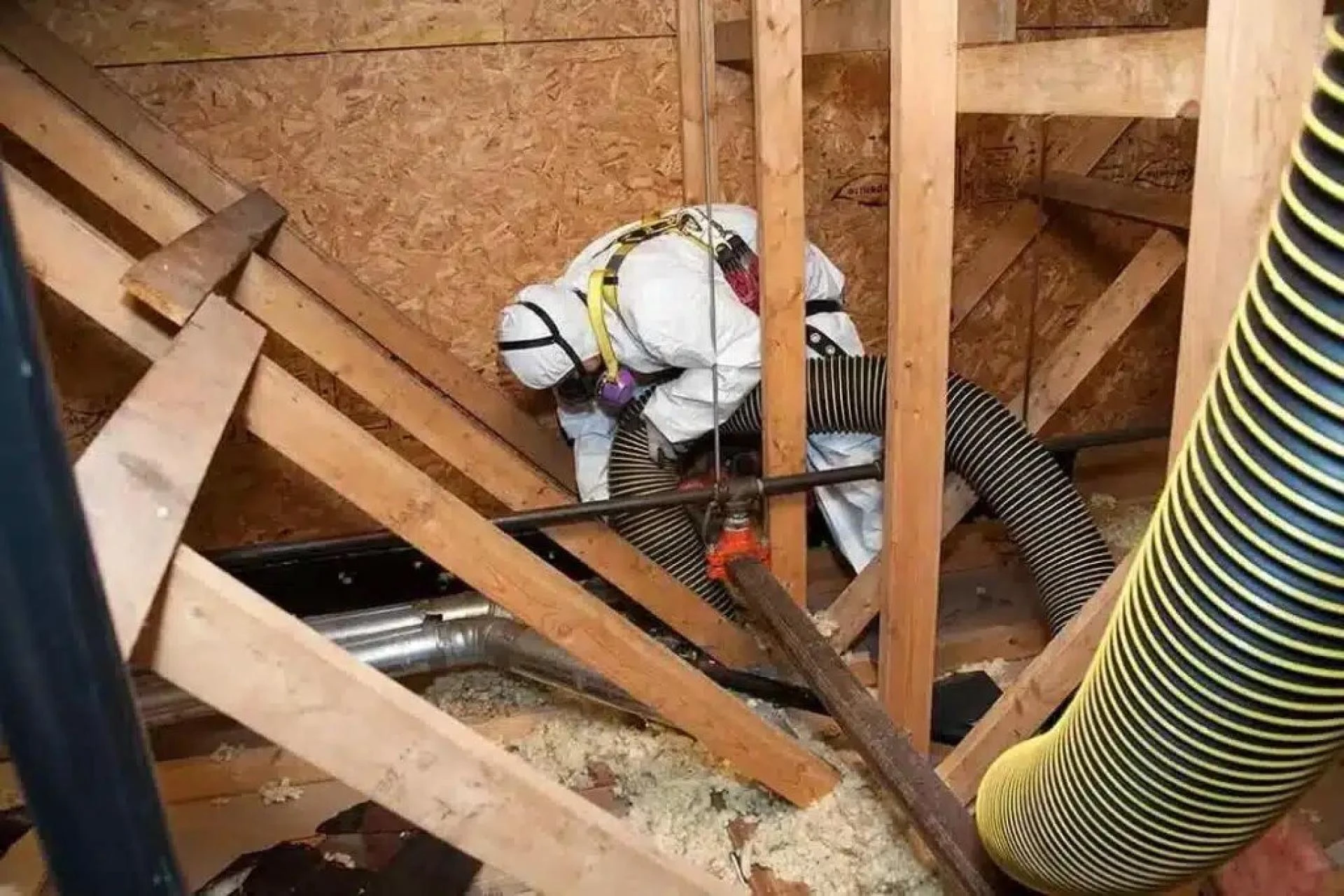
No, this is not recommended. For the foam to adhere properly and create a complete air seal, the cavity must be clean and empty. Any existing insulation should be removed first.
What happens if closed-cell spray foam gets wet?
Closed-cell foam is waterproof. It will not absorb water, and its structure and insulating properties will not be affected by leaks or moisture exposure. This makes it an excellent choice for foundation walls and flood-prone areas.
Does the seal from spray foam add structural strength to a house?
Yes, closed-cell spray foam does. Its rigid structure and strong adhesion to the framing can add significant racking strength to walls, making the entire assembly stronger and more durable.
The Result A High-Performance Building Envelope
The way expanding spray foam creates a complete seal is what sets it apart from all other types of insulation. It doesn't just fill a space; it custom-fits and bonds to it, creating a single, continuous barrier against energy loss. This monolithic seal addresses heat transfer, air leakage, and moisture intrusion all in one application. For homeowners looking to make a substantial and lasting improvement to their home's performance, understanding this process is the key to making an informed decision.
Learn More About Spray Foam Sealing
To see how spray foam's unique sealing properties could benefit your specific home, the best next step is a professional consultation. An experienced installer can assess your property and explain the options available. For homeowners in the Austin area, a company like H&R Spray Foam Insulation can provide a detailed evaluation and answer any questions. They can be reached for a consultation at their email, [email protected], or by phone at (512) 862-9637.
Author: Edith has 15 years of banking experience and has spent five years managing H&R Foam Insulation. She is passionate about building strong relationships and connecting with clients to improve the health, comfort, and energy efficiency of their homes.
Reviewer: Ella Adams offered useful feedback on this post, drawing on her 7 years in the spray foam insulation business to help ensure the tips were realistic and easy to apply.


























Sign in to leave a comment.