
3D Property Visualisation Is Not a Nice-to-Have Anymore — It's the Difference Between a Decision and a Delay
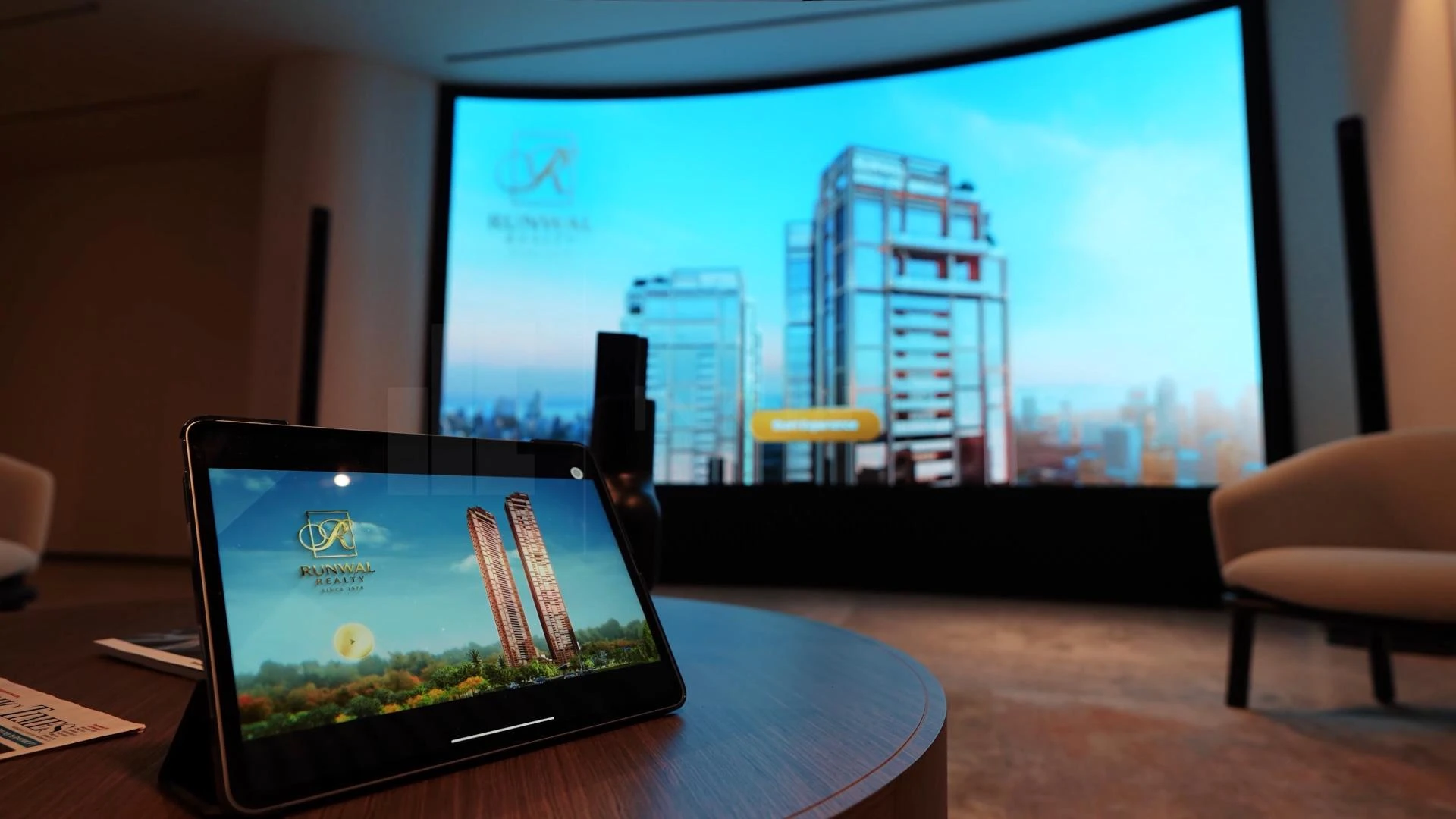
Walk into any premium real estate experience centre in Mumbai, Pune, or Bengaluru today and you will notice something: the projects moving inventory fastest are not necessarily the ones with the best locations or the lowest prices. They are the ones where buyers can see, with genuine clarity, exactly what they are getting. Property walkthrough software integrated with serious 3D property visualisation capability has become the single most important differentiator in how properties get sold — not marketed, sold.
Why Construction-Stage Selling Is So Hard Without the Right Tools
The challenge with selling off-plan or under-construction properties is structural. You are asking a buyer to commit ₹2 crore, ₹5 crore, sometimes more, to something that does not yet physically exist in its finished form. Every doubt they have is reasonable. Every question they cannot get a clear answer to is a reason to wait.
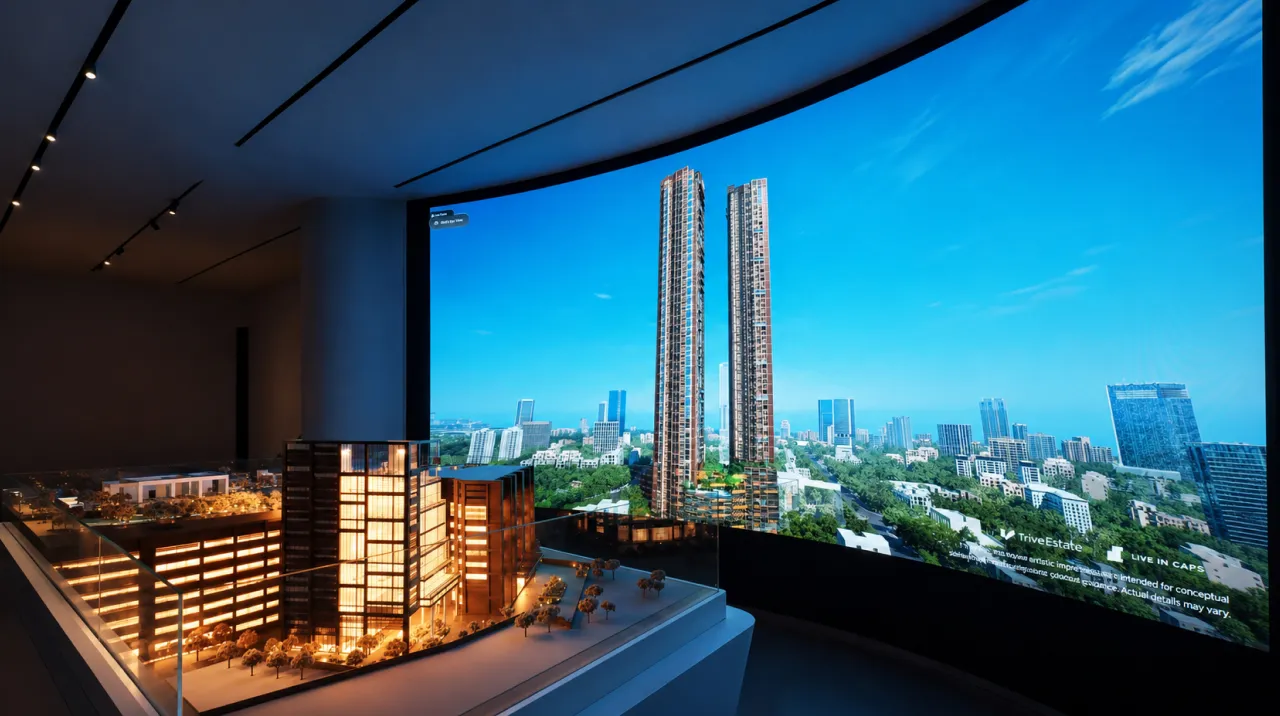
Scale models help somewhat. Artist impressions help somewhat. But both share a fundamental limitation: they represent the developer's vision, not the buyer's experience. The buyer is still doing the imaginative work, and imagination is fragile — it second-guesses itself at 2 AM when the buyer is lying awake wondering if they made the right call.
What 3D Property Visualisation Software Actually Delivers
Done properly, 3D property visualisation is not about making something look beautiful in a video. It is about making a buyer feel spatially certain. The difference comes down to a few specific qualities:
- Spatial accuracy — ceiling heights, room proportions, and window sizes that match the actual construction drawings exactly
- Lighting realism — natural light modelled by time of day so buyers understand how morning sun falls in the bedroom versus afternoon light in the living room
- Material authenticity — flooring textures, wall finishes, and fixture details that look real rather than idealised
- Environmental context — the view from the unit, surrounding landscape, and neighbouring structures rendered accurately
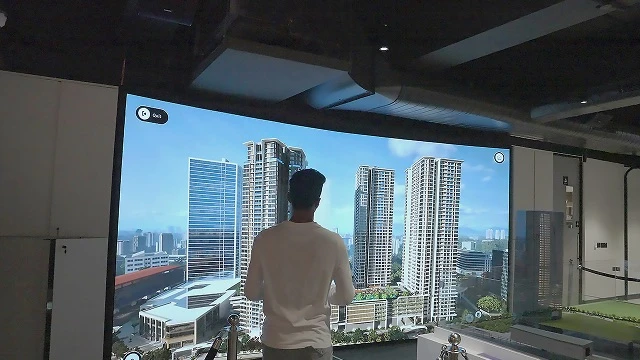
- Interactive control — the buyer navigates, not watches, making the experience feel like ownership rather than observation
Suraj Tower: Building Certainty Into the Experience Centre
Suraj Realty's tower project had exceptional design credentials, a compelling location, and strong pricing — but it was pre-construction, and their target buyers needed to feel completely certain before signing.
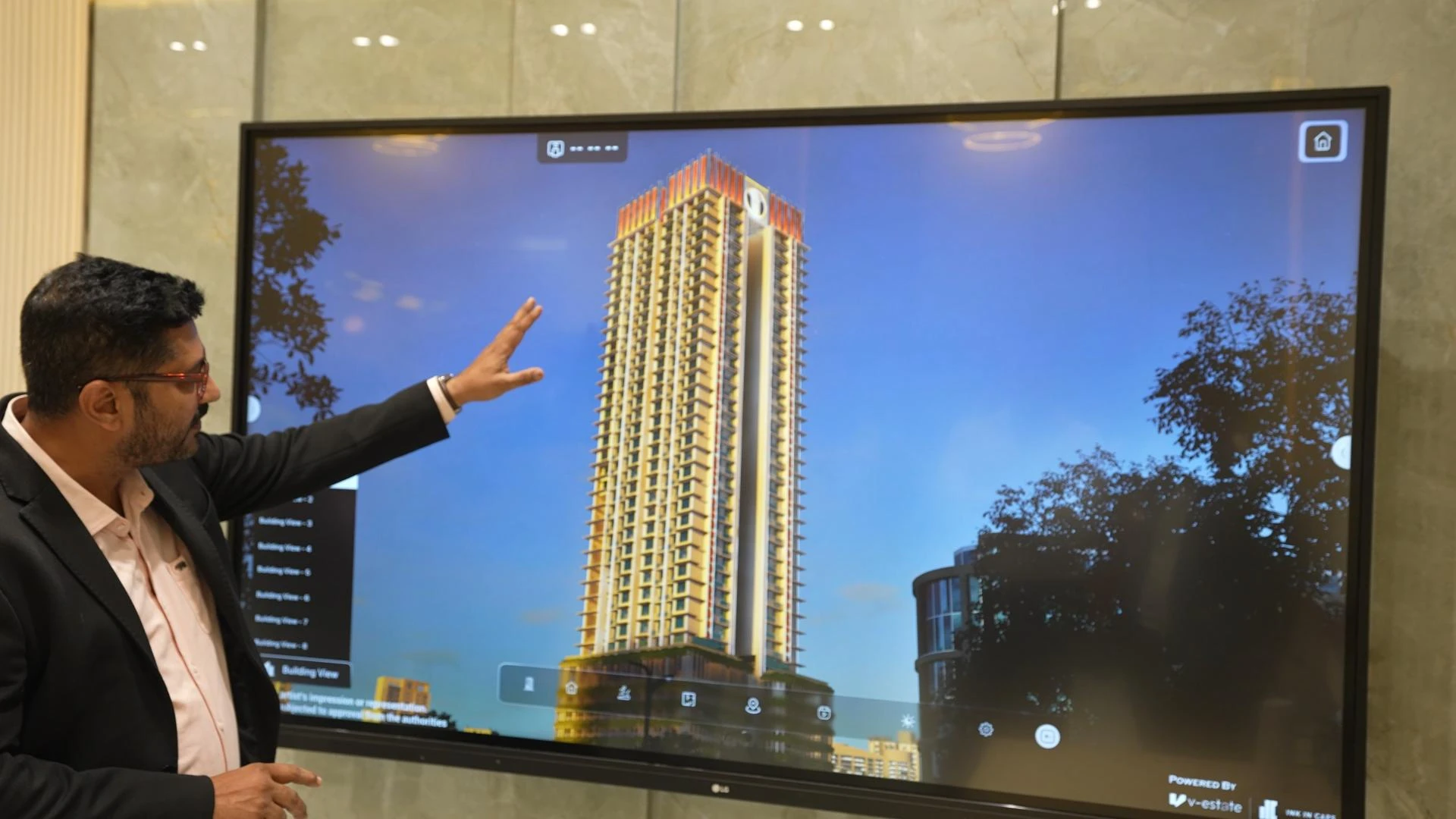
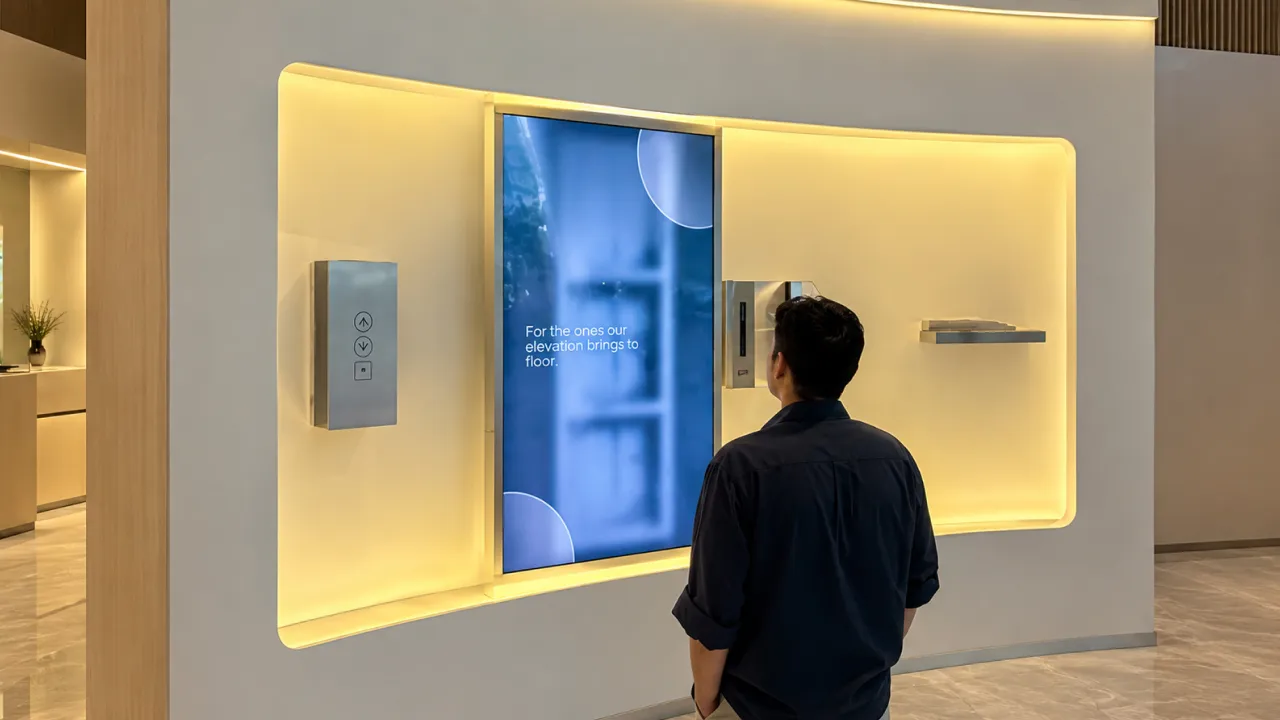
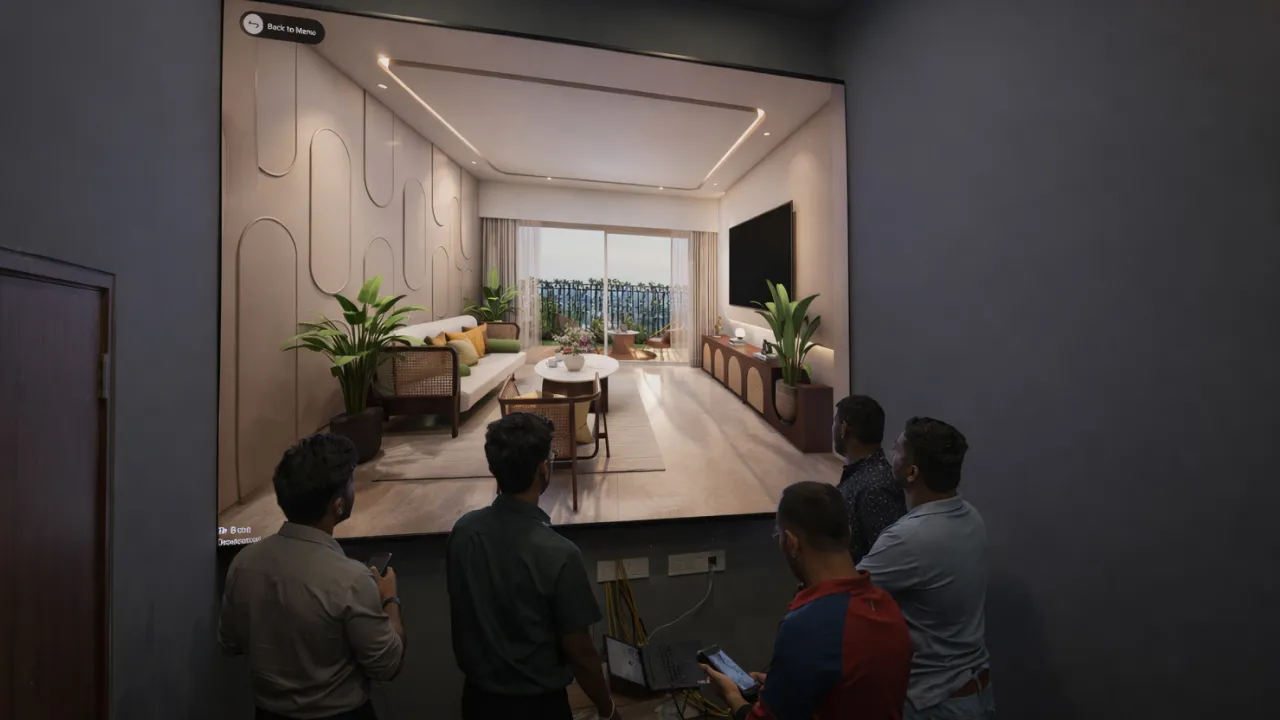
Vestate's implementation for the Suraj Tower experience centre centred on 3D property visualisation software integrated into an offline interactive environment. Every unit configuration was modelled to architectural specification. Buyers could:
- Select their specific floor and unit type from an interactive building model
- Walk through a fully rendered version of their prospective home with precise spatial dimensions
- Experience how morning light enters the master bedroom versus the study
- Step onto the balcony and see the view from their exact floor level
- Customise finish materials — marble versus wooden flooring, warm versus cool wall tones
The experience centre stopped being a place where buyers came to be convinced and became a place where buyers came to confirm what they already felt. That psychological shift — from persuasion to validation — is what serious 3D property visualisation delivers.
The Technical Backbone: What Makes This Work at 60 FPS
- Frame rate: Smooth 60 FPS rendering — anything lower and the experience starts to feel artificial
- Lighting: Dynamic shadow casting that moves as the simulated sun position changes
- Environment: Terrain and water simulation for projects with pools, gardens, or water features
- Precision: Every element built to actual construction drawings, not approximated for visual appeal
- Time simulation: Day-to-night cycles showing the unit in morning, midday, evening, and night conditions
One Platform, Multiple Outputs — The Commercial Logic
Once the 3D model is built, you can derive:
- The interactive walkthrough for your experience centre
- High-quality render stills for print and digital marketing
- Video walkthroughs for website, social media, and channel partner distribution
- A web version of the interactive tour for NRI audiences and remote buyers
- VR-compatible exports for events or trade shows
One investment, multiple outputs — this makes the per-unit cost of 3D property visualisation software significantly more defensible than it appears on first look.
The Conversation That Changes When Buyers Can See
Here is what experienced sales managers notice after deploying serious 3D property visualisation: the nature of objections changes. Before this technology, objections tend to be uncertainty-based. After, they become decision-based. That is a profoundly different conversation.
An uncertainty objection is "I'm not sure what the bedroom will feel like." A decision objection is "I love the unit but I want the third floor, not the fifth." The first requires you to rebuild confidence from scratch. The second requires you to check availability
The developers closing fastest right now all have one thing in common — buyers can see before they decide.
Explore 3D property visualisation with V-Estate, and see how the interactive sales tool works across pre-sales, sales, and post-sales stages.
























Sign in to leave a comment.