
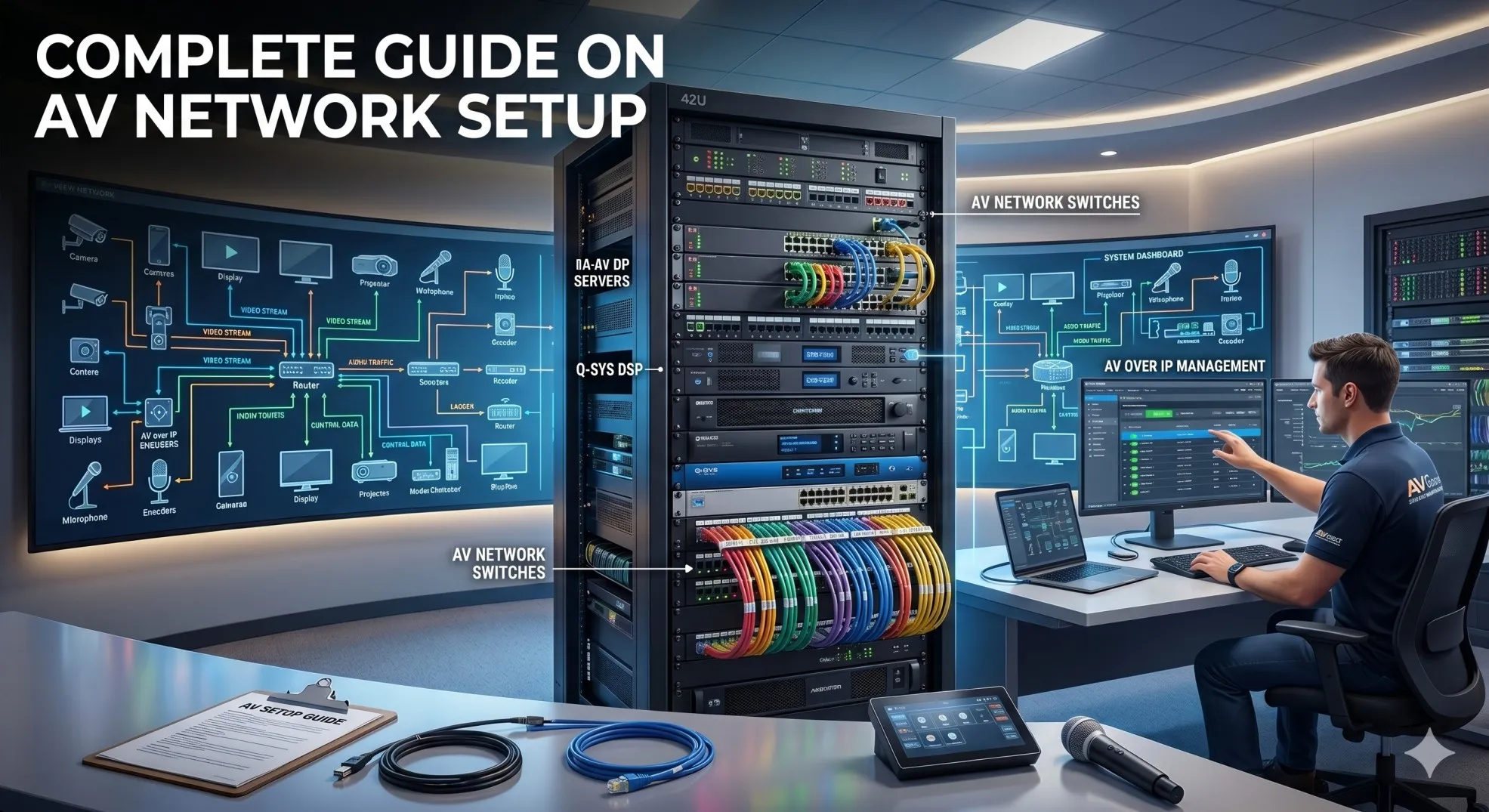
In the age of smart buildings, technology integration is redefining how we experience, control, and interact with our built environments. Modern offices, universities, and hospitality spaces are no longer just physical structures — they are intelligent ecosystems where lighting, climate control, security, and audiovisual systems work in harmony to create seamless experiences. At the center of this transformation lies AV System Design, a crucial component that bridges human interaction with technology.
XTEN-AV, a leader in automation-driven AV design, is empowering professionals to integrate audiovisual solutions into building automation systems efficiently. By combining the power of AV design with smart building technology, integrators can deliver smarter, more sustainable, and more connected environments.
The Evolution of Smart Buildings
Smart buildings are designed to enhance comfort, efficiency, and productivity by leveraging advanced technologies like IoT, AI, and integrated control systems. They use sensors, software, and connectivity to automate building functions such as lighting, HVAC, security, and communications.
However, what truly brings these systems to life is how people interact with them. This is where AV System Design plays a vital role — it becomes the user-facing layer of automation, translating complex systems into intuitive, interactive experiences.
In a modern workspace, for example, when someone enters a meeting room, sensors can trigger lights to turn on, the climate to adjust automatically, and the AV system to prepare for a scheduled video call. This synchronized experience is possible because of deep integration between AV and building automation.
Why AV System Design is Central to Smart Building Integration
AV technology is no longer limited to presentations or entertainment. It has become an integral part of intelligent building infrastructure. The ability to connect AV systems with automation platforms ensures seamless communication between various subsystems.
Here’s why this integration matters:
1. Unified User Experience
AV integration creates a consistent and simplified experience across different spaces — from meeting rooms to lobbies and auditoriums. Through AV System Design, users can control lighting, displays, cameras, and sound from a single interface.
Imagine using a touch panel or voice command to dim lights, lower shades, and start a conference call instantly. This level of convenience enhances user satisfaction while promoting efficiency in daily operations.
2. Enhanced Energy Efficiency
Building automation systems rely on data from sensors and devices to optimize energy use. When integrated with AV systems, this optimization becomes even more precise.
For example, if occupancy sensors detect that a room is empty, the system can automatically power down AV equipment, lighting, and HVAC systems. Such coordination significantly reduces energy waste, helping organizations meet sustainability goals.
3. Real-Time Monitoring and Maintenance
AV integration allows facilities teams to monitor and manage equipment remotely. If a display, speaker, or amplifier encounters an issue, alerts can be sent instantly to the maintenance team.
By incorporating these features during AV System Design, integrators can ensure proactive maintenance, minimizing downtime and improving system reliability.
The Role of IoT and Data in Smart Building AV Integration
The Internet of Things (IoT) is the backbone of smart buildings. Devices like sensors, cameras, and AV controllers generate data that can be analyzed to improve building operations.
When AV System Design is connected to IoT platforms, it creates opportunities for automation based on real-time data. For instance:
- Temperature sensors can trigger automated adjustments to projectors or lighting to maintain optimal performance.
- Occupancy data from meeting rooms can help optimize room scheduling systems.
- Audio sensors can adjust sound levels dynamically depending on room usage or crowd size.
By combining IoT data with AV functionality, buildings can operate more intelligently and adaptively, responding to user behavior and environmental conditions automatically.
How AV System Design Integrates with Building Automation Protocols
Integration requires compatibility with building automation standards and protocols. Modern AV systems are designed to communicate through popular platforms such as:
- BACnet (Building Automation and Control Networks)
- KNX (a global open standard for building automation)
- Crestron and AMX control systems
- Modbus (used in industrial environments)
During the AV System Design phase, engineers define how the audiovisual components will interact with these control protocols. For example, lighting scenes, room scheduling, and HVAC triggers can all be connected to AV presets, creating fully synchronized room automation.
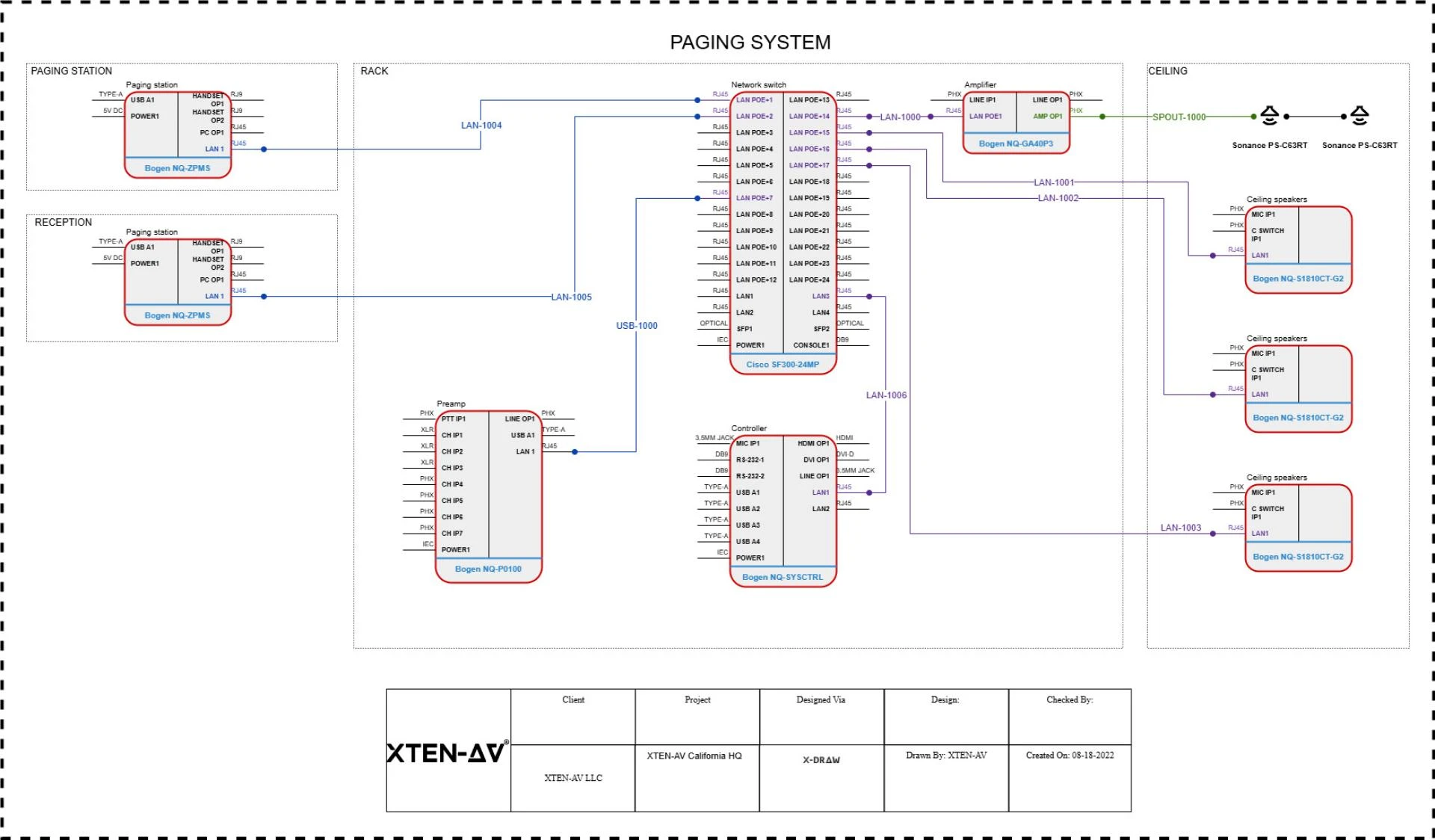
With solutions like XTEN-AV, designers can plan these integrations accurately, ensuring that every component functions within the broader smart building ecosystem.
Benefits of Integrating AV with Building Automation
The benefits of merging AV systems with smart building technology extend beyond convenience. It influences efficiency, scalability, and even the long-term value of a facility.
1. Simplified Operations
Facility managers and IT administrators can manage multiple systems from a centralized platform. Whether it’s adjusting AV settings, checking system health, or controlling room conditions, integration simplifies workflows significantly.
2. Scalability and Flexibility
As buildings expand or technology evolves, the integrated system can easily accommodate new devices or functionalities without major redesigns. Scalable AV System Design ensures future upgrades align with automation frameworks.
3. Improved Collaboration
In hybrid work environments, integrated AV and automation systems make collaboration effortless. Employees can connect instantly to video conferencing systems, and meeting rooms can prepare themselves automatically for virtual sessions.
4. Increased Asset Longevity
Automated power management and environmental controls reduce equipment wear and tear. This results in longer hardware lifespan and fewer replacements, which in turn lowers maintenance costs.
Real-World Applications of AV Integration in Smart Buildings
1. Corporate Offices
Smart meeting rooms equipped with integrated AV and building control systems enhance productivity. Employees can walk into a room, and the lights, shades, and conferencing system adjust automatically based on meeting schedules.
2. Education
Smart classrooms use AV integration to automate lecture capture, adjust lighting, and synchronize multimedia content for hybrid learning environments.
3. Hospitality
Hotels use AV System Design integration to create personalized guest experiences — from automated lighting and entertainment controls in rooms to synchronized digital signage in lobbies.
4. Healthcare
In hospitals, integrated AV and automation systems support remote consultations, digital displays, and real-time monitoring of patient rooms, contributing to better care and operational efficiency.
The Future of AV and Smart Building Integration
As AI and cloud computing continue to evolve, the next generation of smart buildings will be even more adaptive. Predictive systems will anticipate user needs, automate decisions, and self-optimize over time.
AV System Design will continue to play a central role, not only as an interface for human interaction but also as a source of valuable operational data. With platforms like XTEN-AV leading the way, the future of building automation will be defined by intelligent, interconnected, and user-focused design.
Conclusion
The integration of AV System Design with building automation represents the next step in smart infrastructure evolution. It brings together technology, comfort, and sustainability to create spaces that are efficient, interactive, and intelligent.
As businesses adapt to new ways of working and living, combining AV systems with automation is no longer optional — it is essential. With tools like XTEN-AV, professionals can design, visualize, and implement these systems seamlessly, ensuring that buildings are not only smart but truly connected to the people who use them.
Read more: https://www.linkedin.com/pulse/av-system-design-software-vs-traditional-methods-which-singh-d1qce/





















Sign in to leave a comment.