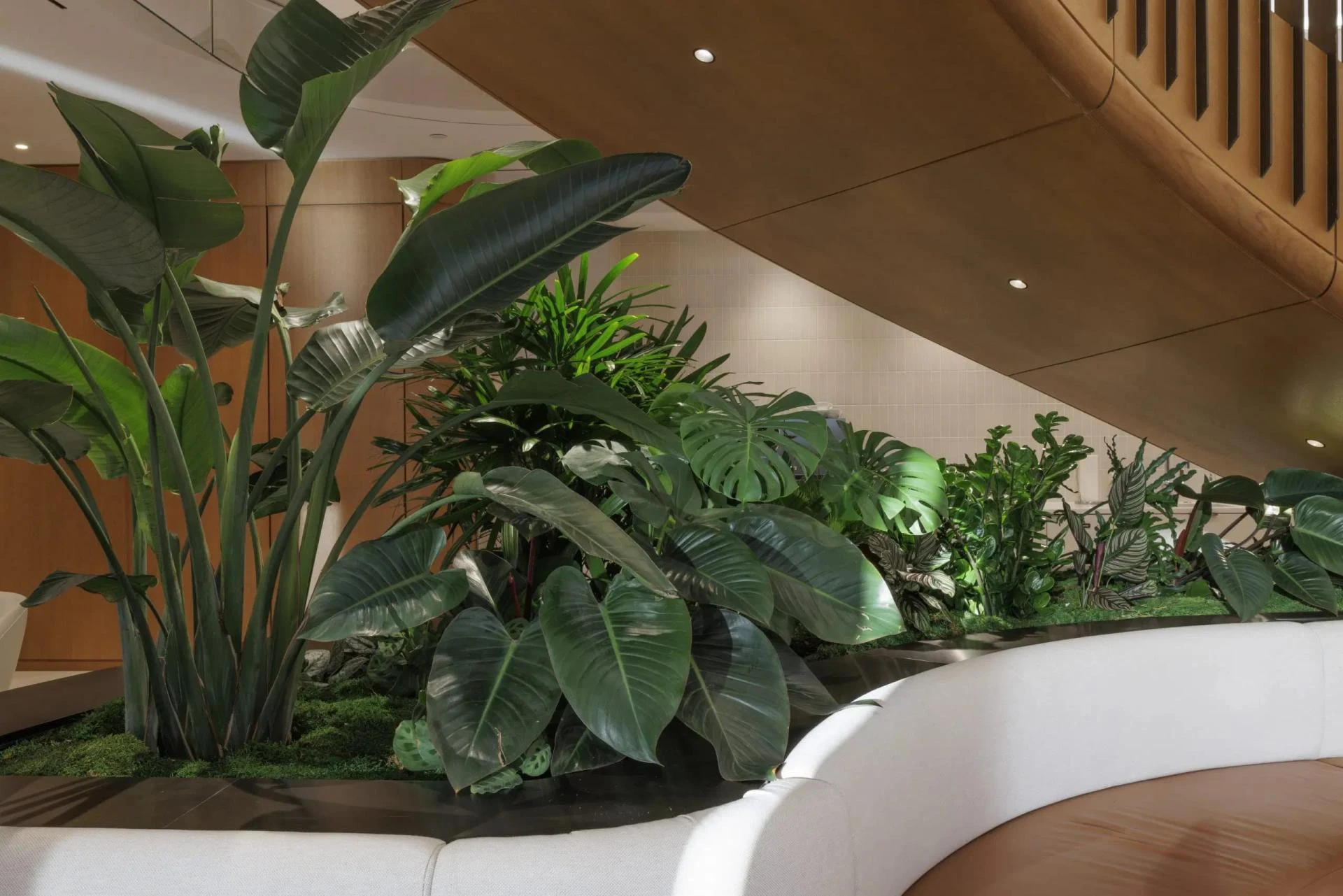

The hospitality industry is built on experiences. From the moment guests walk through the door, every detail contributes to how welcome, relaxed, and inspired they feel. One of the most powerful yet often underestimated design elements in these environments is the use of interior plantscapes. Thoughtfully designed greenery has the ability to transform hotels, resorts, restaurants, and lounges into memorable destinations that connect guests with nature while enhancing comfort and luxury.
Interior plantscapes go far beyond decoration. They influence mood, improve air quality, support brand identity, and create inviting atmospheres that encourage guests to linger and return. As hospitality spaces become more experience driven, the role of living plants indoors continues to grow in importance.
The Role of Interior Plantscapes in Hospitality Design
Interior plantscapes play a strategic role in shaping how hospitality spaces look and feel. Designers and operators increasingly rely on greenery to soften architectural lines, add warmth to large interiors, and create a sense of balance between natural and built environments.
Creating a Strong First Impression
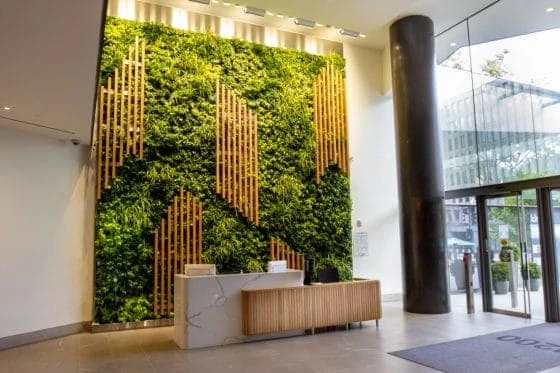
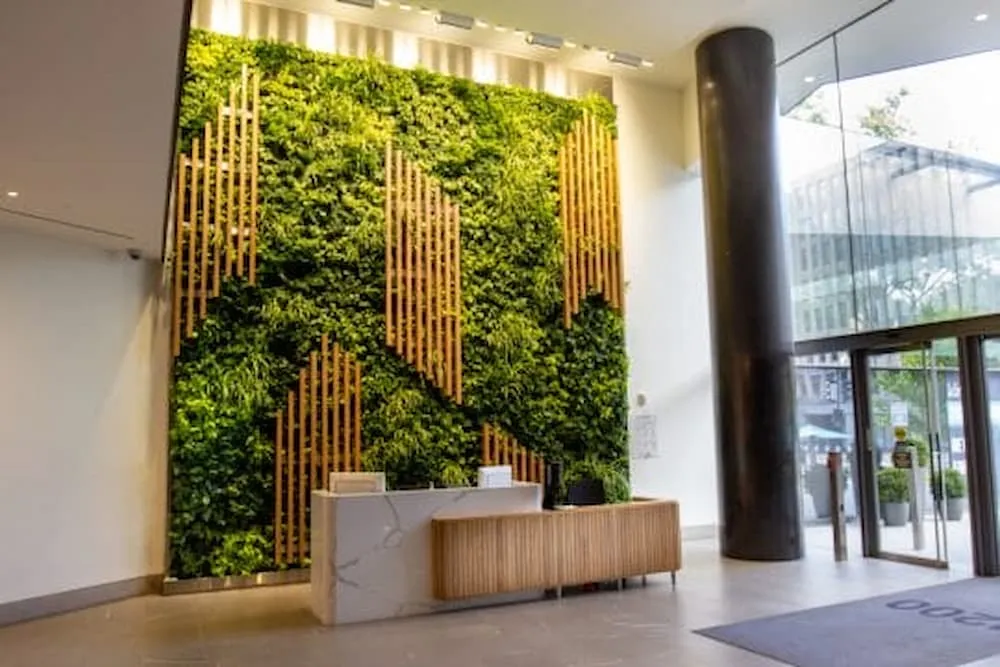
The entrance of a hospitality space sets expectations. Lush interior plantscapes in lobbies and reception areas instantly communicate care, quality, and attention to detail. Tall plants, living walls, or elegant planters can guide movement, frame seating areas, and establish a welcoming tone that resonates with guests as soon as they arrive.
Supporting Brand Identity Through Nature
Every hospitality brand has a story to tell. Interior plantscapes help express that story visually. Tropical plants can suggest relaxation and escape, while minimalist greenery supports a modern and refined identity. By carefully selecting plant types, colors, and arrangements, hospitality spaces can reinforce their brand personality without relying on words.
Enhancing Guest Wellbeing and Comfort
Guests increasingly value spaces that make them feel calm and refreshed. Interior plantscapes directly contribute to physical and emotional wellbeing, making them especially valuable in hospitality environments where comfort is essential.
Psychological Benefits of Greenery
Studies consistently show that exposure to plants reduces stress, improves mood, and increases overall satisfaction. In hotels and restaurants, interior plantscapes create a soothing environment that helps guests unwind after travel or enjoy their time more fully. Greenery introduces visual softness and natural patterns that feel familiar and comforting.
Improving Indoor Air Quality
Plants naturally filter the air by absorbing pollutants and releasing oxygen. While interior plantscapes should be part of a broader indoor air strategy, they contribute to fresher feeling spaces. Guests may not consciously notice the difference, but they often describe plant filled interiors as feeling cleaner and more breathable.
Interior Plantscapes in Different Hospitality Areas
Each area within a hospitality space has unique functional and emotional goals. Interior plantscapes can be tailored to support these goals while maintaining visual cohesion.
Lobbies and Reception Areas
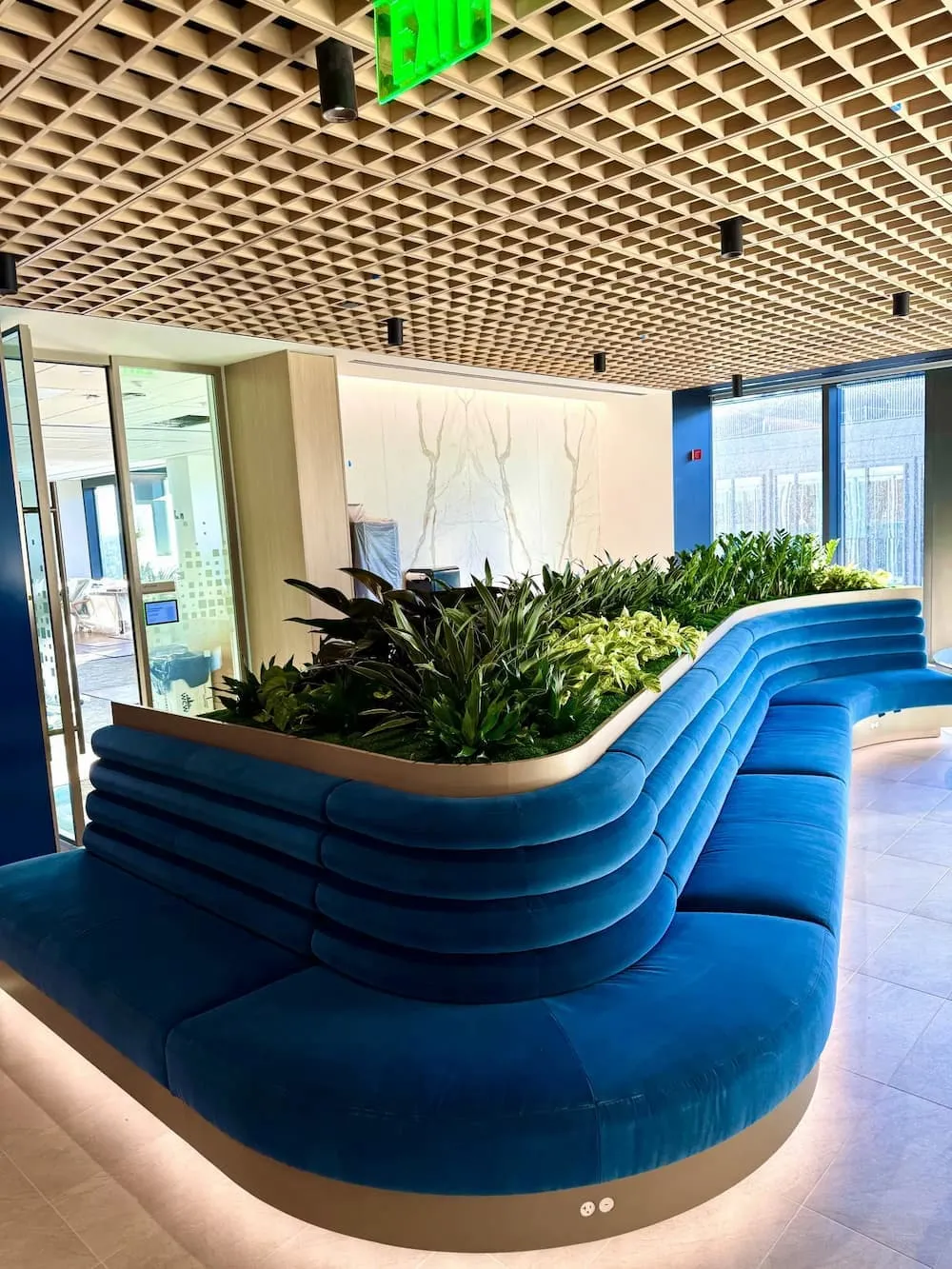
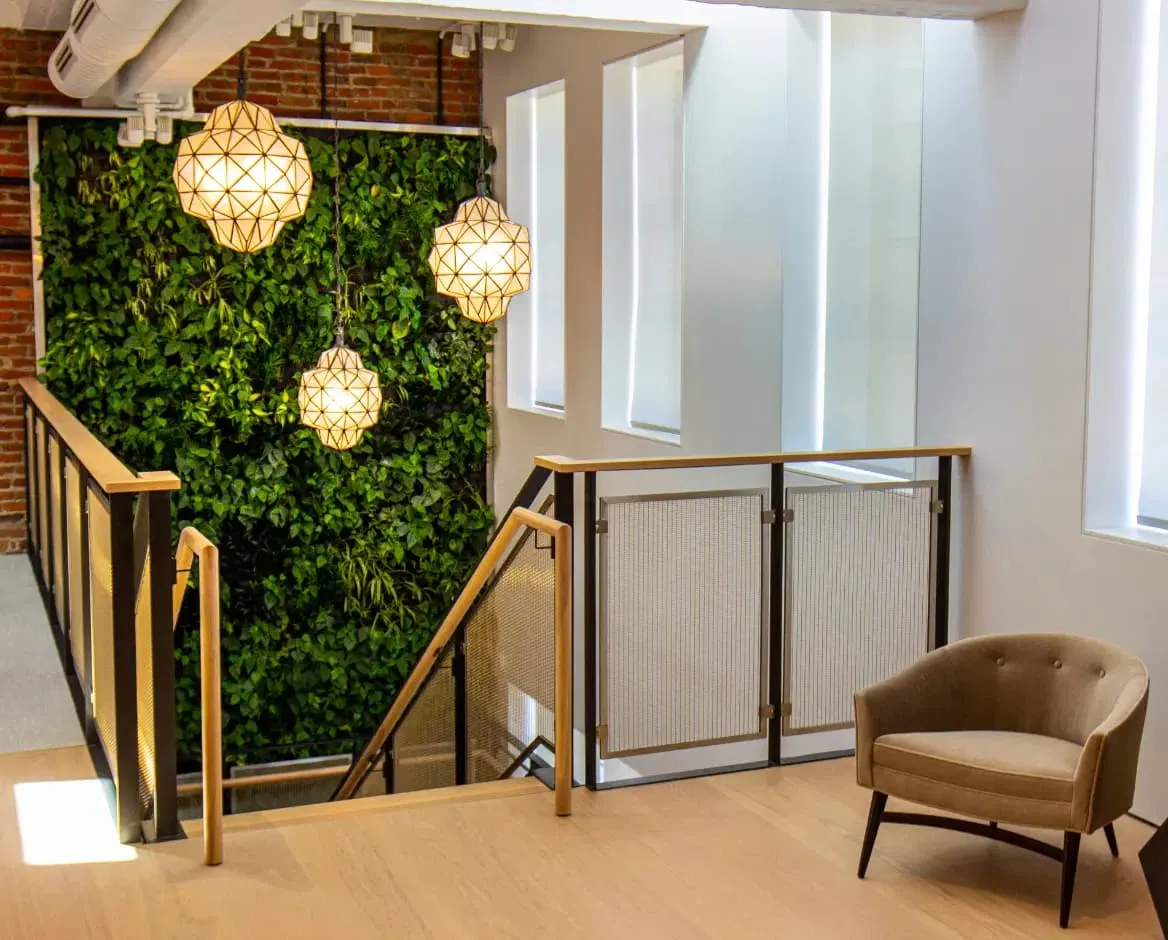
Lobbies are social hubs and transitional spaces. Large scale interior plantscapes help define zones for waiting, socializing, and movement. Statement plants or vertical gardens create focal points that draw attention upward and make even expansive spaces feel intimate and welcoming.
Guest Rooms and Suites
In guest rooms, subtle interior plantscapes enhance comfort without overwhelming the space. Smaller plants on shelves, desks, or near windows introduce life and color while supporting relaxation. Greenery in rooms also helps guests feel more connected to their surroundings, especially in urban hotels.
Restaurants and Dining Areas
Dining experiences are closely tied to atmosphere. Interior plantscapes in restaurants can create privacy, improve acoustics, and add visual interest. Plants can separate tables, soften lighting, and contribute to a sense of freshness that complements culinary offerings. In many cases, greenery becomes part of the dining identity itself.
Spas and Wellness Areas
Spas and wellness facilities rely heavily on calm and sensory balance. Interior plantscapes enhance these qualities by reinforcing themes of renewal and tranquility. Lush foliage, natural textures, and carefully placed greenery support relaxation and align with wellness focused design philosophies.
Design Principles for Effective Interior Plantscapes
Successful interior plantscapes are not random collections of plants. They are carefully planned systems that consider aesthetics, function, and long term maintenance.
Choosing the Right Plants
Plant selection is critical in hospitality settings. Factors such as light availability, humidity, and foot traffic influence which species will thrive. Hardy plants with consistent appearance are often preferred, as they maintain visual quality even in busy environments. The goal is to ensure that interior plantscapes look vibrant and healthy at all times.
Scale and Proportion
Plants should complement the size and layout of the space. Large areas benefit from tall plants or groupings that anchor the design, while smaller spaces require more restrained arrangements. Well balanced interior plantscapes enhance architecture rather than compete with it.
Integration With Lighting and Materials
Lighting plays a major role in how plants are perceived indoors. Natural light enhances growth and appearance, while artificial lighting can be used to highlight greenery as a design feature. Interior plantscapes should also harmonize with materials such as wood, stone, and metal to create a cohesive aesthetic.
Sustainability and Responsibility in Hospitality Green Design
Sustainability has become a defining value in modern hospitality. Interior plantscapes support environmentally responsible design while appealing to eco conscious guests.
Reflecting Environmental Values
Green interiors signal a commitment to sustainability. Guests increasingly appreciate spaces that demonstrate care for the environment. Interior plantscapes reinforce this message by bringing living elements into daily experiences and reminding guests of the importance of nature.
Long Term Environmental Impact
When designed and maintained properly, interior plantscapes are a sustainable investment. They can reduce reliance on artificial decor, contribute to energy efficiency through improved insulation and humidity balance, and support healthier indoor environments over time.
Maintenance and Longevity of Interior Plantscapes
A beautiful interior plantscape requires consistent care. In hospitality settings, maintenance is essential to protect both appearance and guest perception.
The Importance of Professional Care
Regular watering, pruning, and monitoring ensure that plants remain healthy and visually appealing. Professional maintenance helps prevent issues such as pests or declining plant health that could negatively impact the guest experience.
Adapting to Changing Spaces
Hospitality spaces evolve with trends and seasons. Interior plantscapes should be flexible enough to adapt to layout changes, renovations, or new design concepts. Modular planters and movable arrangements allow greenery to grow alongside the space itself.
The Future of Interior Plantscapes in Hospitality
As guest expectations continue to rise, interior plantscapes are becoming central to hospitality design rather than optional enhancements. Innovations such as biophilic design principles and integrated green architecture point to a future where nature and hospitality are deeply connected.
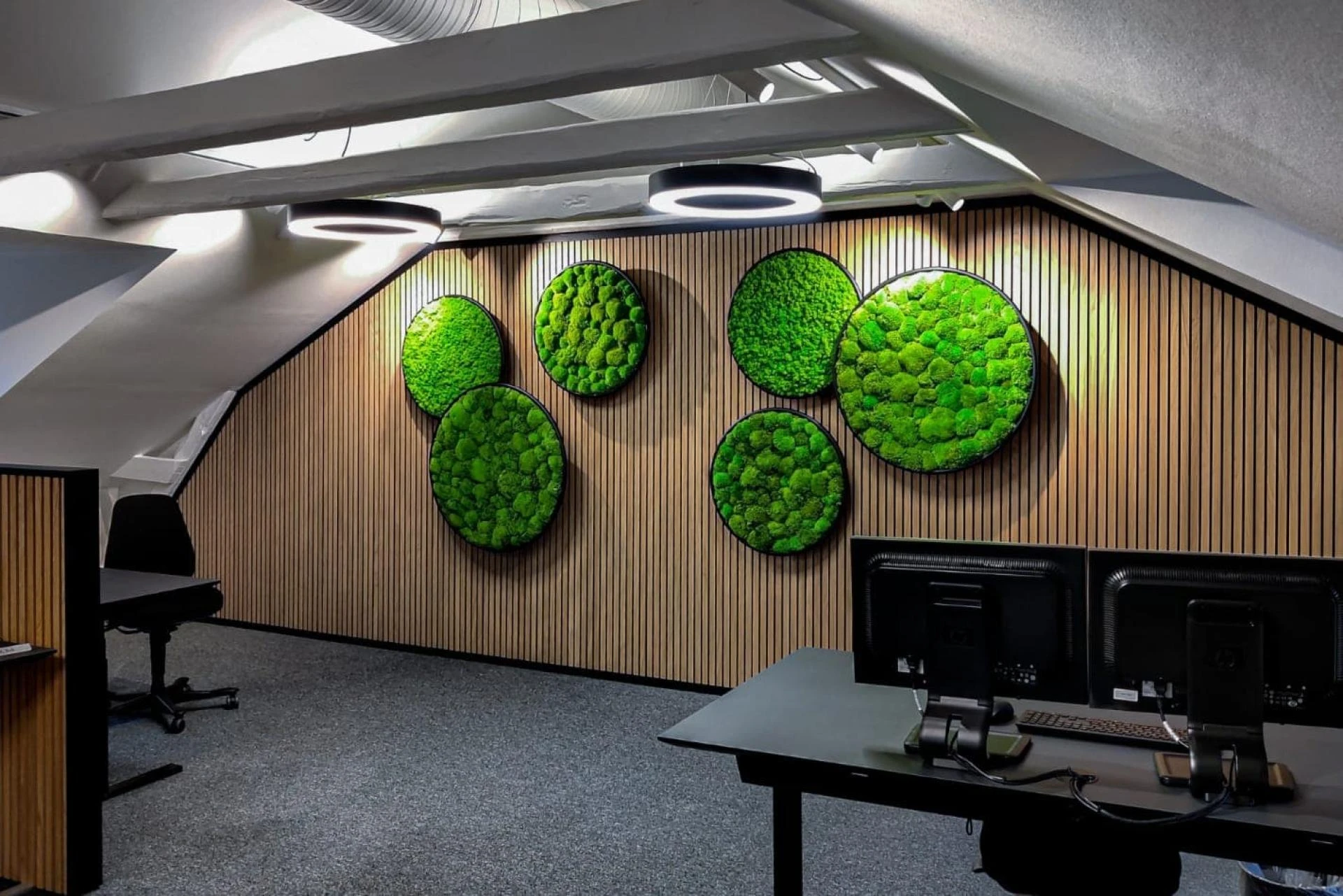
Designers are exploring creative ways to incorporate greenery into ceilings, walls, and multifunctional structures. These approaches blur the line between architecture and nature, creating immersive environments that guests remember long after their visit.
Conclusion
Interior plantscapes have proven to be a powerful design element in hospitality spaces. They elevate aesthetics, support wellbeing, reinforce brand identity, and contribute to sustainable practices. By thoughtfully integrating greenery into lobbies, guest rooms, dining areas, and wellness spaces, hospitality environments can deliver richer and more meaningful experiences.
When planned with intention and cared for properly, interior plantscapes become lasting assets that enhance both guest satisfaction and long term value. For those seeking expertise and inspiration in this field, Interior Plantscapes stands as a name closely associated with transforming hospitality spaces through the beauty and impact of indoor greenery.





















Sign in to leave a comment.