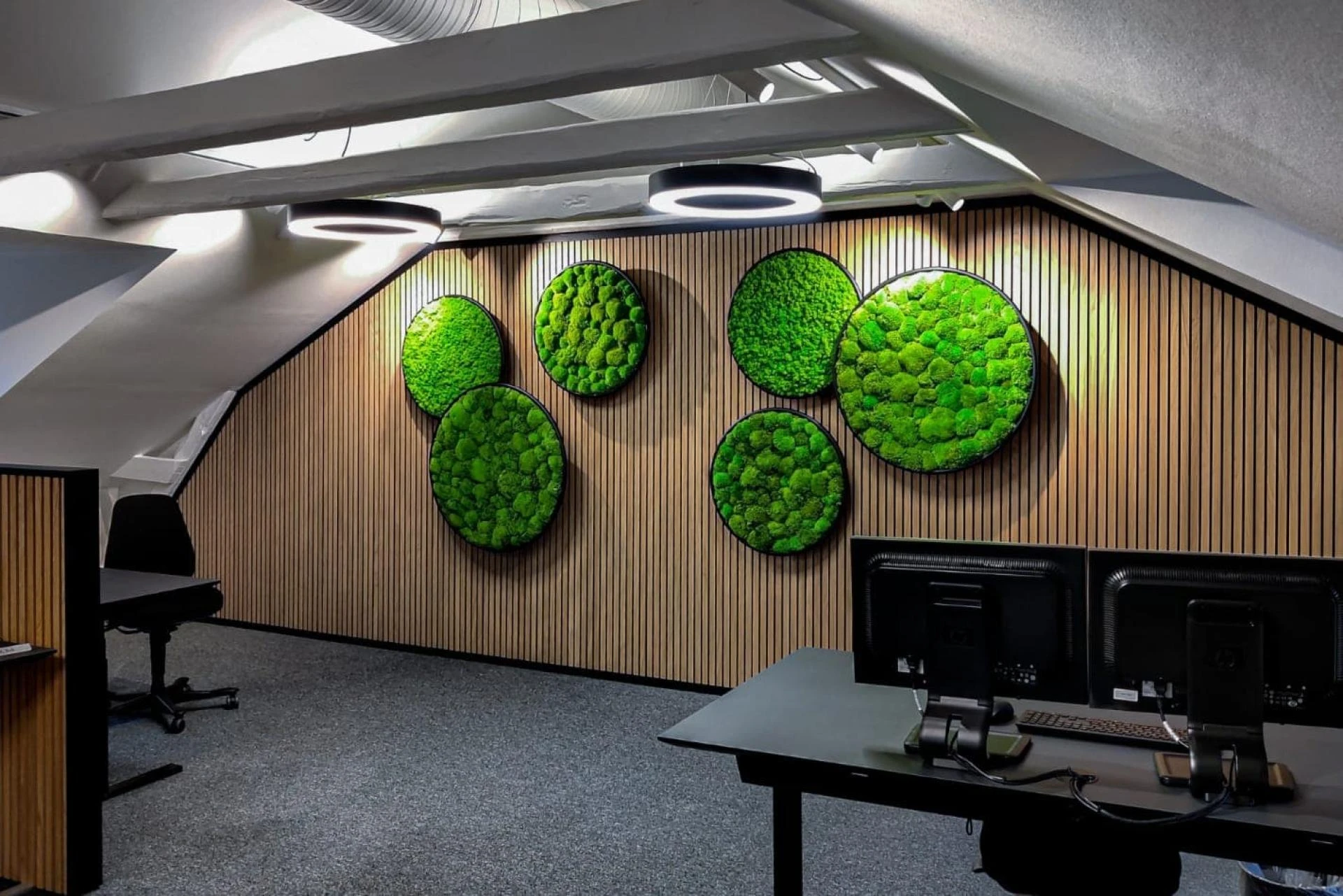

Indoor environments play a crucial role in overall health and wellbeing. As modern lifestyles lead people to spend more time inside homes, offices, and commercial buildings, concerns about indoor air quality continue to grow. Dust, volatile organic compounds, synthetic materials, and limited ventilation can all contribute to stale or polluted air. One effective and aesthetically pleasing solution is interior foliage design.
Interior foliage design goes beyond placing a few potted plants around a room. It involves the thoughtful integration of living plants into interior spaces to improve air quality, enhance visual appeal, and create healthier environments. By combining design principles with horticultural knowledge, interior foliage design offers a practical and natural approach to transforming indoor air.
Understanding Indoor Air Quality Challenges
Indoor air quality refers to the condition of air within buildings and how it affects the health and comfort of occupants. Poor indoor air quality can result from multiple factors, many of which are common in residential and commercial settings.
Common Indoor Pollutants
Indoor spaces often contain airborne contaminants such as:
- Volatile organic compounds released from paints, furniture, adhesives, and cleaning products
- Dust particles and allergens
- Mold spores
- Carbon dioxide buildup due to limited ventilation
These pollutants can contribute to headaches, respiratory discomfort, fatigue, and long term health concerns. Since many buildings are designed to be energy efficient and tightly sealed, pollutants can accumulate rather than disperse.
Limited Natural Ventilation
Modern construction often prioritizes insulation and energy efficiency. While this reduces energy costs, it also limits fresh air circulation. Windows may remain closed for long periods, and air conditioning systems may recycle the same indoor air. As a result, indoor air can become stagnant and filled with contaminants.
Interior foliage design provides a natural way to supplement mechanical ventilation systems and introduce biological air purification into indoor spaces.
The Science Behind Plants and Air Purification
Plants are not simply decorative elements. They actively interact with their environment, absorbing gases, releasing oxygen, and influencing humidity levels.
Photosynthesis and Oxygen Production
Through photosynthesis, plants absorb carbon dioxide and release oxygen. During daylight hours, this process can help balance indoor carbon dioxide levels, particularly in densely occupied spaces such as offices and conference rooms.
While plants alone cannot replace ventilation systems, they contribute to a healthier atmosphere by increasing oxygen availability and supporting fresher air.
Removal of Airborne Toxins
Research conducted by organizations such as NASA has highlighted the potential of certain plants to absorb harmful compounds from indoor air. In controlled studies, plants demonstrated the ability to reduce levels of common indoor pollutants.
Although real world results vary depending on plant quantity and room size, the findings support the role of interior foliage design in reducing airborne toxins.
Role of Soil Microorganisms
Air purification does not rely solely on plant leaves. The microorganisms in potting soil also contribute by breaking down pollutants that are absorbed by plant roots. This biological partnership enhances the overall filtering capacity of indoor plants.
By strategically incorporating a variety of plant species, interior foliage design maximizes these natural purification processes.
How Interior Foliage Design Enhances Air Circulation
Interior foliage design is about placement and integration, not just plant selection. The way plants are positioned throughout a space influences how effectively they interact with indoor air.
Strategic Placement for Maximum Impact
Designers consider airflow patterns when incorporating plants into interiors. Placing plants near air return vents, entrances, and high traffic areas allows them to interact with circulating air. This ensures pollutants pass through plant leaves and soil systems more frequently.
Clusters of plants can create microclimates that stabilize temperature and humidity, contributing to overall air comfort.
Natural Humidification Through Transpiration
Plants release moisture into the air through a process called transpiration. As water evaporates from leaves, it increases indoor humidity levels. This is especially beneficial in climates or seasons when indoor air becomes dry due to heating systems.
Proper humidity can reduce throat irritation, dry skin, and respiratory discomfort. Interior foliage design helps maintain balanced moisture levels without relying solely on mechanical humidifiers.
Reduction of Airborne Dust
Higher humidity levels can help reduce airborne dust particles. Moist air encourages dust to settle rather than remain suspended. Combined with the physical presence of plant leaves that capture particles, this contributes to a cleaner breathing environment.
Psychological Benefits That Support Perceived Air Quality
Perception plays a powerful role in how people experience indoor air. Even when measurable improvements are modest, the presence of plants can make a space feel fresher and more vibrant.
Stress Reduction and Wellbeing
Numerous studies suggest that exposure to greenery reduces stress and enhances mood. When occupants feel relaxed and comfortable, they are less likely to perceive indoor environments as stuffy or unpleasant.
Interior foliage design introduces natural elements into built environments, fostering a sense of calm and connection to nature.
Key Elements of Effective Interior Foliage Design
To truly boost indoor air quality, interior foliage design must be intentional and carefully planned.
Selection of Air Purifying Plant Species
Certain plants are commonly associated with air filtering capabilities. Examples include:
- Snake plants
- Peace lilies
- Spider plants
- Rubber plants
Choosing species suited to available light and maintenance capacity ensures longevity and consistent performance. Healthy plants provide more effective air purification than stressed or neglected ones.
Appropriate Plant Density
A single plant in a large room may offer limited benefits. Effective interior foliage design considers plant density relative to space size. Groupings of plants distributed throughout the area create a cumulative effect.
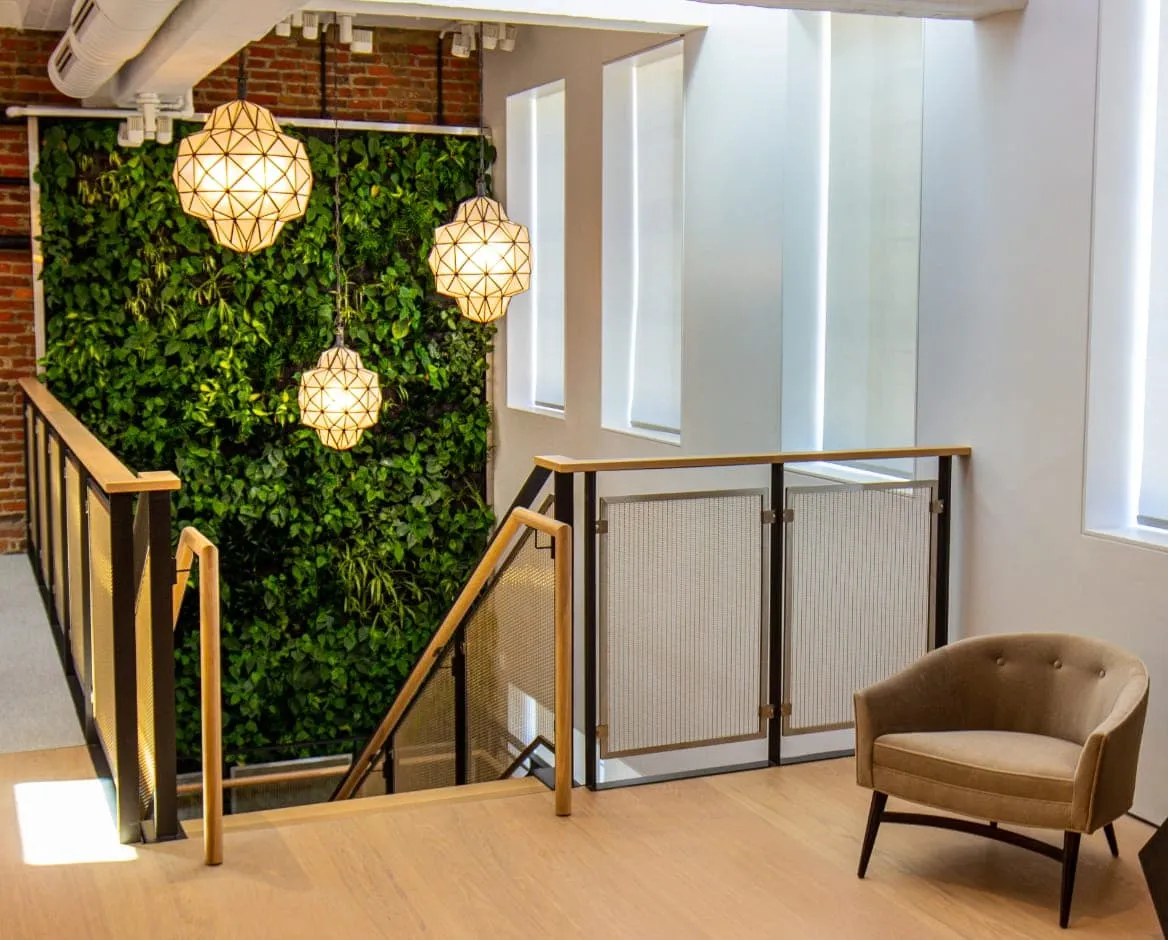
Designers often balance aesthetic harmony with functional air improvement by integrating plants into shelving, corners, entryways, and open spaces.
Maintenance and Plant Health
Healthy plants function more effectively as natural air filters. Regular watering, proper lighting, pruning, and soil care are essential. Dust should be gently wiped from leaves to ensure optimal photosynthesis and pollutant absorption.
Consistent maintenance preserves both the visual appeal and the air quality benefits of interior foliage design.
Integration With Sustainable Building Practices
Interior foliage design complements broader sustainability initiatives in modern architecture.
Supporting Green Building Certifications
Buildings seeking environmentally responsible certifications often incorporate biophilic elements and natural air purification strategies. Interior foliage design aligns with these goals by improving indoor environmental quality.
Reducing Dependence on Artificial Air Fresheners
Instead of masking odors with chemical sprays, plants offer a natural alternative. They contribute to fresher smelling air without introducing additional synthetic compounds.
This reduces the overall chemical load within indoor spaces, supporting healthier air for occupants.
Kitchens and Bathrooms
Kitchens and bathrooms often contain higher humidity levels. Moisture loving plants can thrive in these areas while helping to manage odors and improve overall air quality.
By adapting interior foliage design to each room’s conditions, homeowners create a cohesive and healthier indoor environment.
Commercial and Public Space Applications
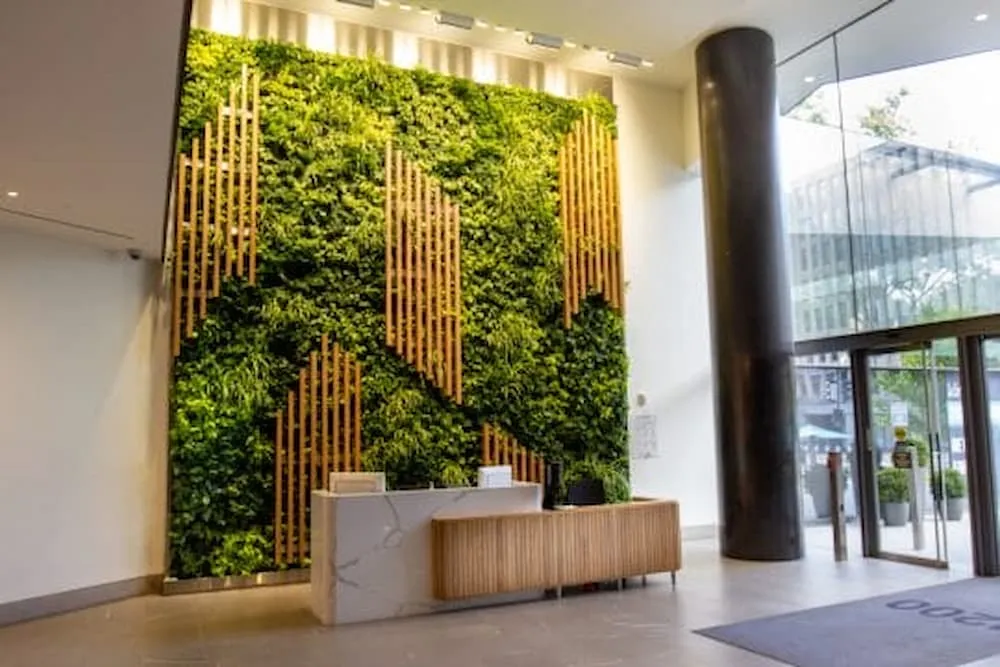
Beyond residential settings, interior foliage design has wide reaching applications.
Healthcare Facilities
Hospitals and clinics aim to create calming atmospheres. Incorporating plants can contribute to improved air comfort and emotional wellbeing for patients and staff.
Retail and Hospitality
Hotels, restaurants, and retail stores use greenery to create welcoming spaces. Improved air quality and attractive design encourage longer visits and positive customer experiences.
Interior foliage design becomes both a functional and marketing asset in these environments.
Long Term Impact on Indoor Environments
The benefits of interior foliage design accumulate over time. As plants grow and mature, their air filtering capacity increases. Consistent care ensures sustained improvements in humidity, oxygen levels, and pollutant reduction.
Moreover, spaces enriched with plants tend to foster healthier habits. Occupants may become more mindful of air quality, ventilation, and overall environmental responsibility.
Conclusion
Interior foliage design offers a powerful combination of aesthetics and functionality. By integrating living plants into indoor spaces, it supports natural air purification, regulates humidity, reduces airborne particles, and enhances psychological wellbeing. From residential homes to commercial buildings, thoughtful plant placement and maintenance contribute to cleaner, fresher indoor air.
When professionally planned and maintained, interior foliage design becomes a long term investment in health and comfort. For those seeking expert guidance in creating greener, healthier indoor spaces, Interior Plantscapes provides specialized solutions tailored to diverse environments.





















Sign in to leave a comment.