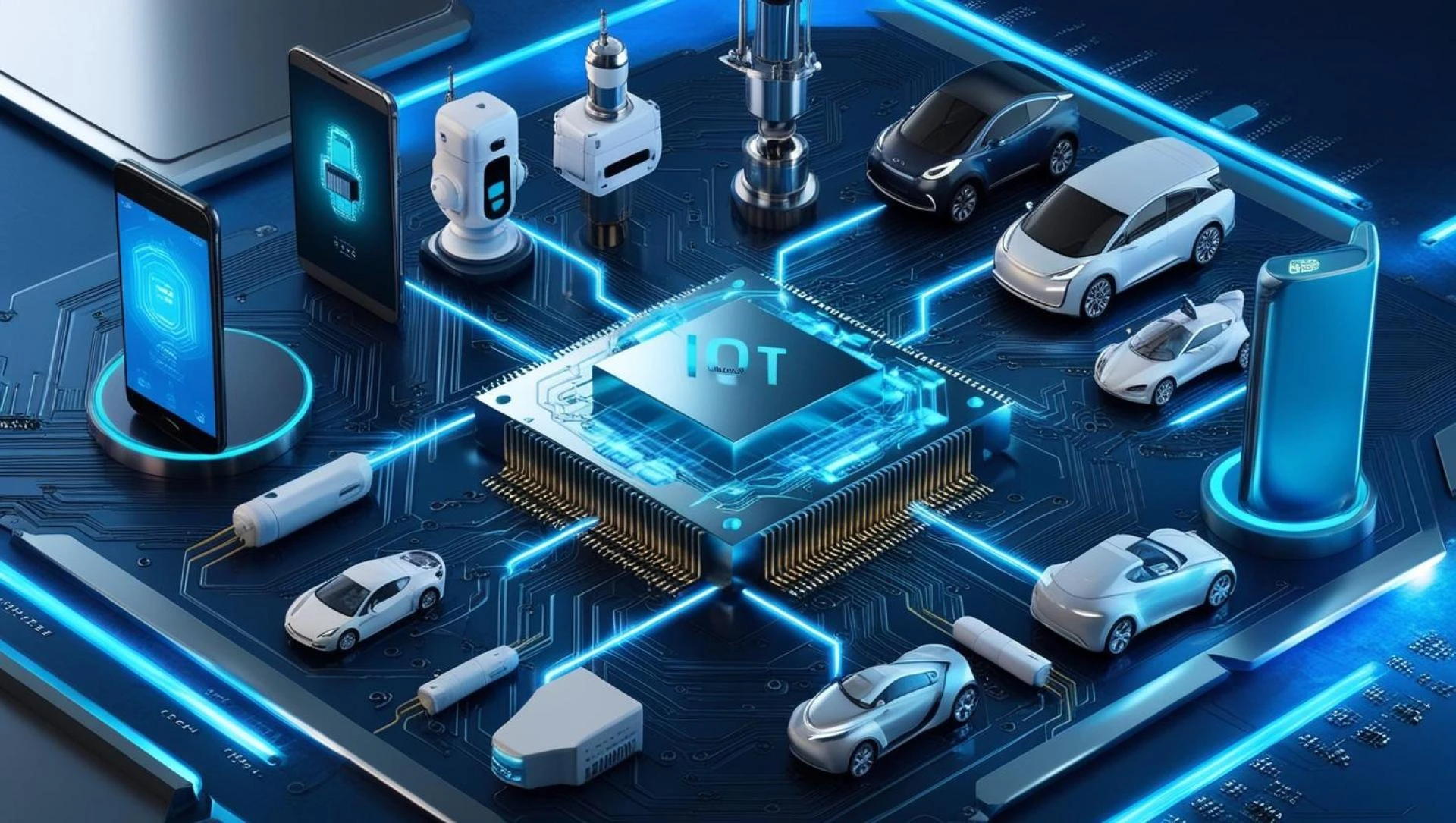

The global IoT chip market is experiencing steady and significant growth, with its valuation projected to rise from USD 476.4 billion in 2024 to USD 705.6 billion by 2032, reflecting a compound annual growth rate (CAGR) of 5.2% between 2025 and 2032. This surge is largely attributed to the increasing integration of smart technologies across various sectors such as consumer electronics, automotive, healthcare, industrial automation, and smart cities.
IoT chips form the backbone of Internet of Things (IoT) ecosystems, enabling devices to collect, process, and transmit data seamlessly. As connectivity becomes a cornerstone of digital transformation, the demand for compact, energy-efficient, and high-performance IoT chips continues to rise.
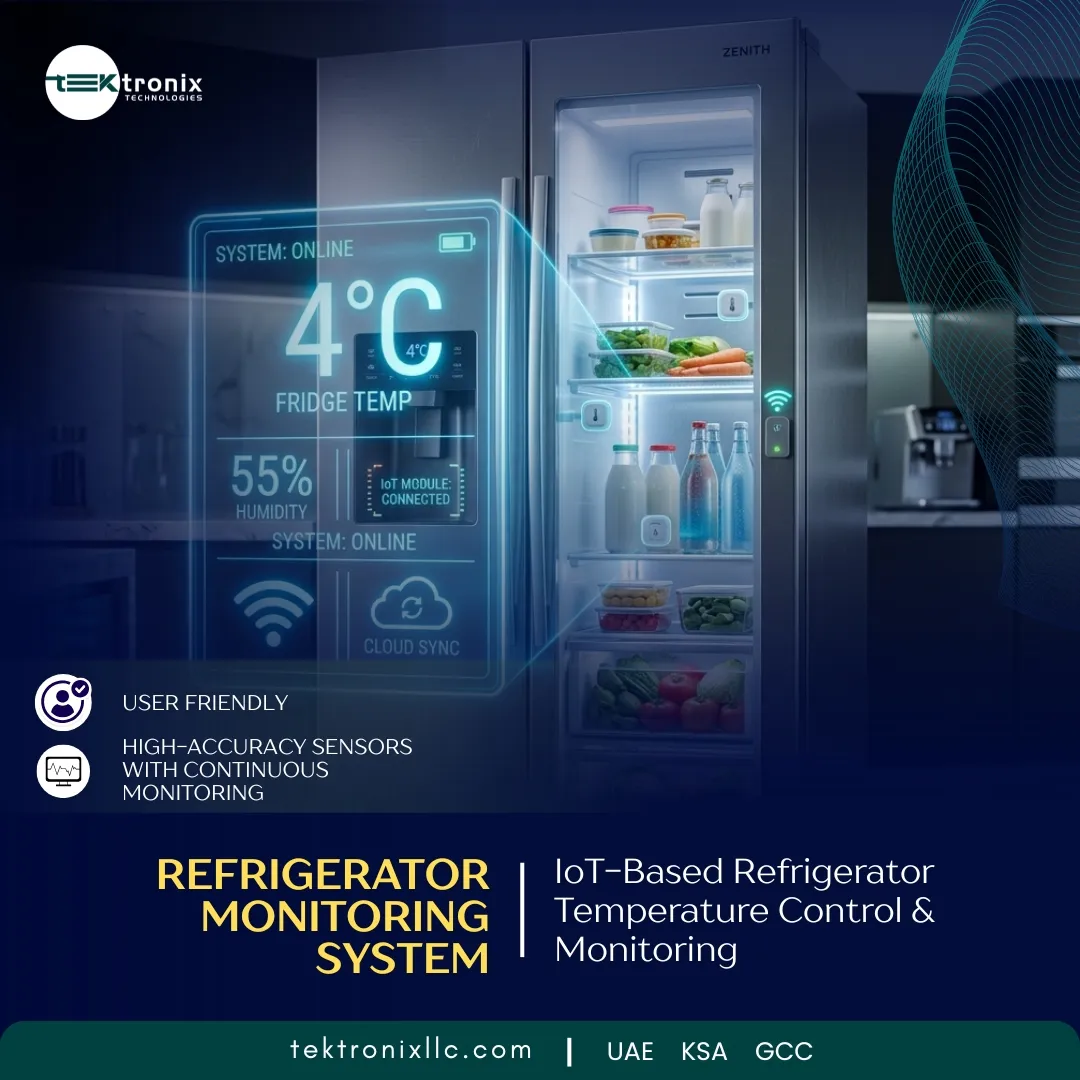
In the consumer electronics sector, IoT chips power smart appliances, wearables, and connected home systems. With the growing popularity of devices like smart thermostats, security systems, voice assistants, and fitness trackers, the need for advanced semiconductor solutions has grown substantially.
The automotive industry is another major contributor to the IoT chip market. Modern vehicles are increasingly equipped with features such as ADAS (Advanced Driver Assistance Systems), infotainment systems, and vehicle-to-everything (V2X) communication—all of which rely on IoT chips to function effectively. As electric vehicles and autonomous driving technologies evolve, the reliance on integrated, connected chipsets will only deepen.
In industrial applications, IoT chips are critical in enabling predictive maintenance, real-time monitoring, and automation within smart factories. The Industrial Internet of Things (IIoT) has revolutionized manufacturing by improving operational efficiency and reducing downtime.
The healthcare sector has also seen widespread adoption of IoT devices, including remote patient monitoring systems, smart implants, and wearable health trackers. These applications demand reliable, low-power chips capable of transmitting sensitive data securely.
As the global trend shifts toward smart cities, IoT chips are being embedded in infrastructure such as traffic control systems, energy management grids, and public safety systems. Governments and private enterprises alike are investing in IoT-driven urban development, which presents lucrative opportunities for chip manufacturers.
North America currently leads the market, supported by a strong technological infrastructure and ongoing investments in IoT research and development. Meanwhile, the Asia-Pacific region is expected to witness the fastest growth due to expanding industrialization, increased smartphone penetration, and rising adoption of IoT solutions across sectors.
Innovation in edge computing, 5G integration, and AI-enabled IoT is further enhancing the functionality and reach of IoT chips. Companies are now focusing on building secure, scalable, and cost-effective chipsets to cater to evolving IoT use cases.




























Sign in to leave a comment.